Manipulator Welding Machine: How Column and Boom Units Work

September 21, 2026
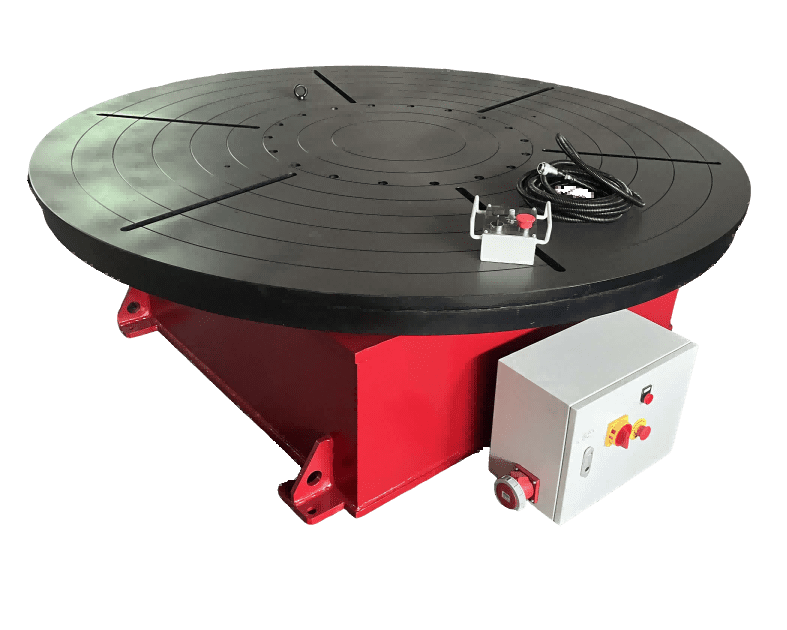
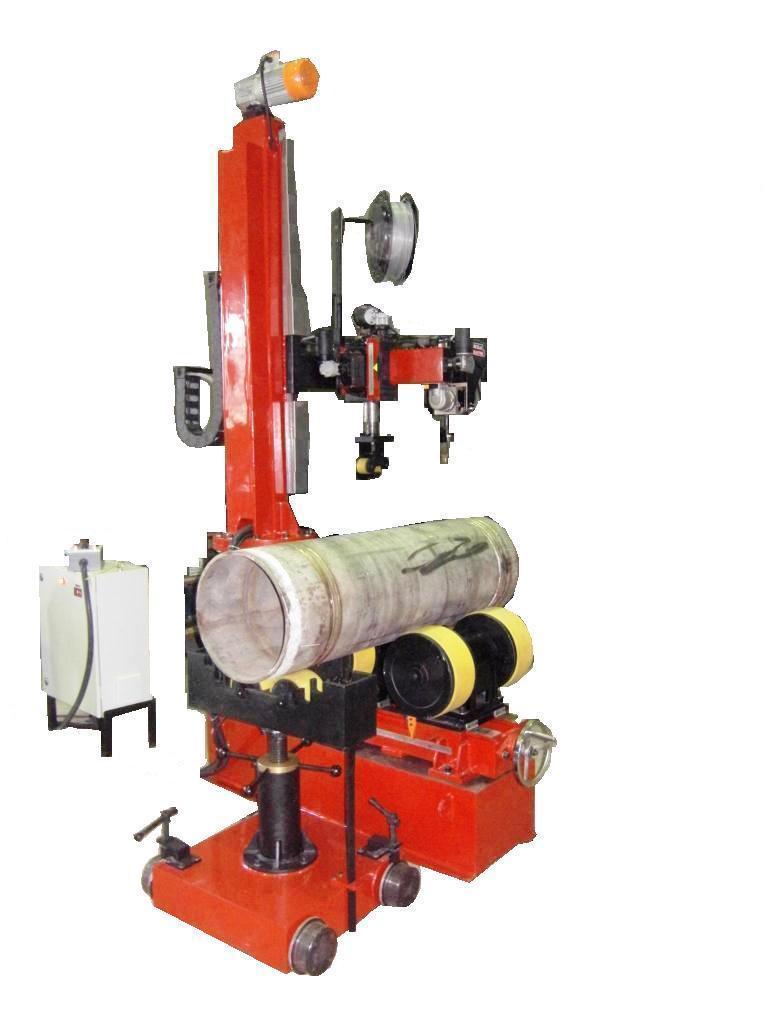
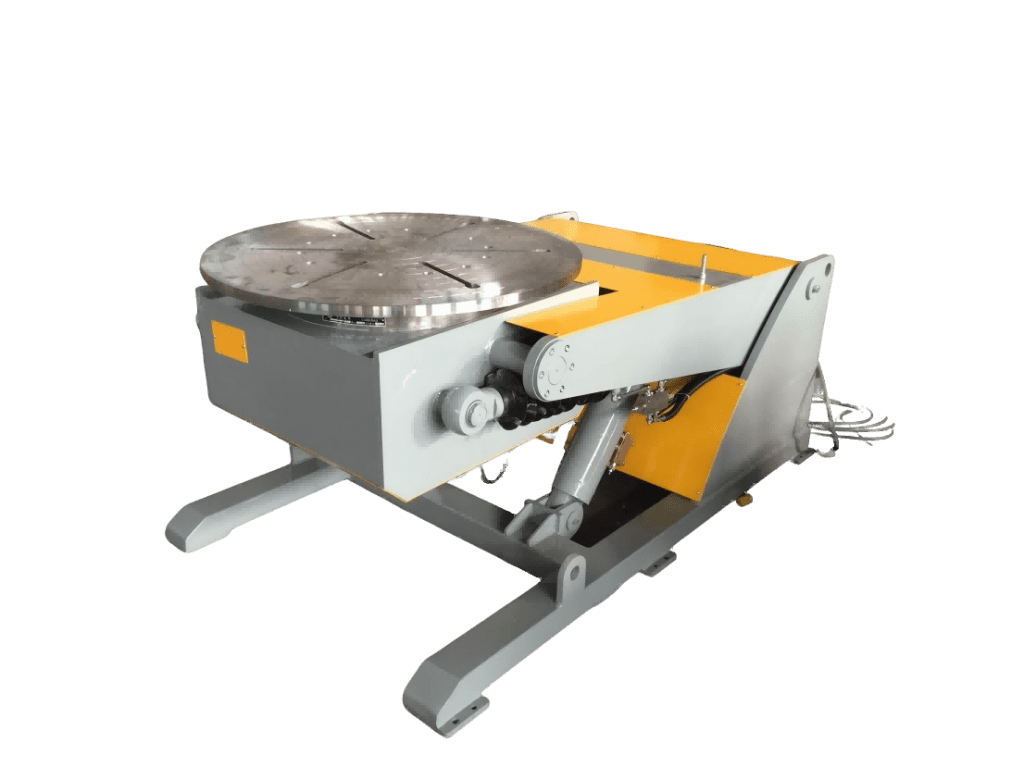
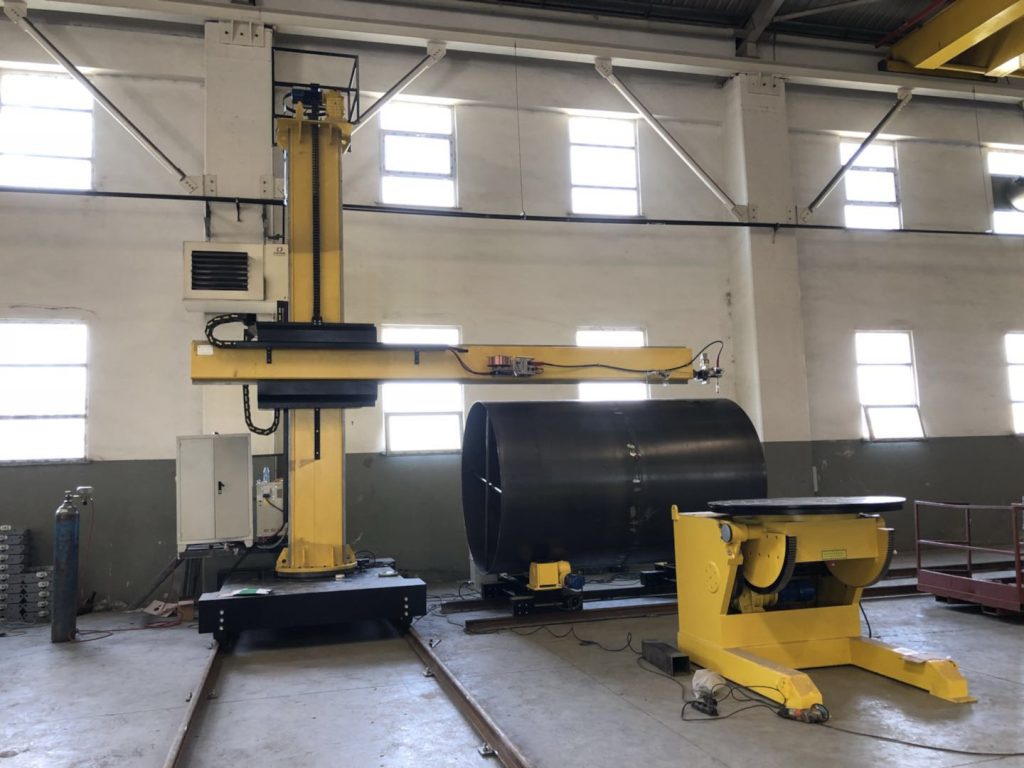
A manipulator welding machine earns its floor space only when the column and boom hold the torch steady for the full length of the seam, pass after pass. Most shops still focus on the welding power source first. In pipeline, vessel and H-beam projects I have worked on, the structural side of the manipulator decides […]
Read More »

Tank Fit Up Rolls: Capacity Selection and Setup Guide

September 21, 2026

I see too many tank fabricators select fit-up rolls by nominal shell tonnage, then fight gap creep and shell ovality during tacking. Tank fit up rolls are only as good as the load calculation behind them. The variables that decide alignment are driven load per station, roll center distance, and tire contact width, not the […]

Read More »

Tower Fabrication: Welding Equipment and Production Planning

September 21, 2026

Tower fabrication is not a single process; it is a sequence of fit-up, welding, and dimensional correction decisions that determine whether sections ship on time or stall at final inspection. The equipment choices that matter most are rarely the ones buyers ask about first. In my experience, shops that define weld sequencing and roller bed […]

Read More »

Metal Welding Processes and Equipment for Industrial Shops

September 21, 2026

Metal welding choices decide more than arc characteristics. They determine how a shop positions heavy workpieces, how many passes a seam needs, and whether a production line hits its daily output or idles on setup. In the pipeline, tank, and structural fabrication projects I have engineered over twelve years, the strongest quality gains came from […]

Read More »

Shipbuilding Welding: Key Processes and Equipment Choices

September 21, 2026

Most shipyard welding bottlenecks start before the arc strikes. When a shell panel or block cannot be turned, rotated, or reached by a submerged arc head, the process slows no matter how capable the welding power source is. Shipbuilding welding is an equipment and material flow challenge as much as a process choice. In our […]

Read More »

Welding Robot Types: Which Configuration Fits the Job

September 20, 2026

Welding robot types are easier to evaluate once you stop comparing payload numbers and start looking at part geometry, seam access, and annual weld hours. A six-axis robot, a cartesian gantry, and a collaborative arm can all deposit the same weld metal; they differ in how they reach the joint, how fast they reposition, and […]

Read More »

Coding for Welders: Qualification Steps and Practical Limits

September 20, 2026

Welder coding tells a buyer exactly what a welder has already proven, but the certificate is only meaningful while the production parameters stay inside the range that was tested. In pipe shops and pressure vessel lines, that distinction separates a qualification paper from a reliable weld program. Coding for welders is not a one-time badge. […]

Read More »

SMAW Amperage Chart: Electrode Settings and Setup Rules

September 20, 2026

SMAW amperage charts give useful starting ranges, but the dial on a welding machine is not the current at the arc. Most rework I see comes from treating the chart as a fixed rule instead of a reference to confirm on scrap plate. A practical setup chooses amperage by electrode diameter, joint position, and polarity, […]

Read More »

GMAW Parameters: Voltage, Wire Feed Speed, and Setup Chart

September 20, 2026

A GMAW parameters chart is a starting point, not a fixed recipe. The most useful settings come from a clear sequence: set wire feed speed first, then voltage, then travel speed and contact tip to work distance. In more than twelve years of commissioning welding automation lines, I have seen most startup defects trace back […]

Read More »

MIG Welding Gas Flow Settings: Chart and Setup Guide

September 20, 2026

Most MIG welding gas flow problems come from one mistake: treating the flowmeter setting as a fixed number instead of a starting point tied to the weld condition. The correct MIG welding gas flow settings are the lowest flow that keeps shielding gas coverage stable across the joint, with no surface oxidation and no arc […]

Read More »
1 2 3 38

Get Our Best Quotation

Contact