Benefits of Being a Welder: Career Stability, Pay, and Skills
Table of Contents
- Practical Entry, Stable Demand, and Strong Pay
- Career Paths That Fit Different Strengths
- Transferable Skills and Certification Value
- How Automation Is Changing the Welder’s Role
- Before You Choose: Real Drawbacks to Consider
- Next Step: Build a Welding Career or a Better Shop
- Frequently Asked Questions About Welding Careers
- Is welding a good career for beginners?
- How much do welders really make?
- Do I need a college degree to become a welder?
- Is welding dangerous?
- Will robots replace welders?
- What certifications help a welding career?
- References
Welding is a trade where a person can enter with a high school diploma or equivalent, learn on the job, and build a career across construction, manufacturing, energy, shipbuilding, and repair. The benefits of being a welder go beyond the hourly rate: the work is hands-on, the skills transfer between industries, and employers still need qualified people who can read joints, control heat, and deliver sound welds [1].
Practical Entry, Stable Demand, and Strong Pay
Most entry-level welding jobs do not require a four-year degree. The typical path includes a high school diploma or GED plus technical training, an apprenticeship, or employer-provided on-the-job training. According to the U.S. Bureau of Labor Statistics, there were about 453,500 welding, cutting, soldering, and brazing jobs in 2023, and the occupation is spread across sectors that cannot simply stop maintaining metal equipment and structures [1].
Pay is also predictable at the national median, but it improves meaningfully with experience, certifications, travel, and specialization. BLS wage data shows the median annual wage for welders, cutters, solderers, and brazers was $48,940 in May 2023 [2]. Welders who qualify for pipe, TIG, aerospace, shutdown, or remote field work often earn more through overtime, per diem, and premium pay. The key point is that welding rewards demonstrated skill rather than years in a classroom.
Career Paths That Fit Different Strengths
Welding is not one job. It is a family of roles that fit different physical abilities, work settings, and technical interests.
- Structural welder and ironworker: bridges, buildings, and heavy frameworks.
- Pipe and pipeline welder: pressure piping, gas lines, and process facilities.
- Precision TIG/GTAW welder: aerospace, food, pharmaceutical, and thin-wall stainless work.
- Maintenance and repair welder: factories, mines, farms, and mobile equipment.
- Robotic welding operator and technician: automated cells, fixturing, and path adjustment.
- Welding inspector and supervisor: code compliance, procedure qualification, and crew management.
That range matters when people evaluate whether welding is a good long-term choice. A welder can start on structural plate, move into pipe, then move into inspection or automation supervision without starting over from zero.
Transferable Skills and Certification Value
The skills developed in welding transfer more than most people expect. Welders learn to read prints and welding symbols, prepare joints, select filler metal, control heat input, recognize defects, and work to written procedure specifications. Those abilities apply directly to pressure vessels, structural steel, ship repair, railcar maintenance, agricultural equipment, and plant upkeep.
Certifications add earning power and make transfer easier. The American Welding Society Certified Welder program provides portable, performance-based qualification records that many employers accept across industries [3]. Other credentials, such as ASME Section IX or API 1104, are valuable in pressure vessel and pipeline work. A welder with verified qualifications is less tied to one employer or one local market.
How Automation Is Changing the Welder’s Role
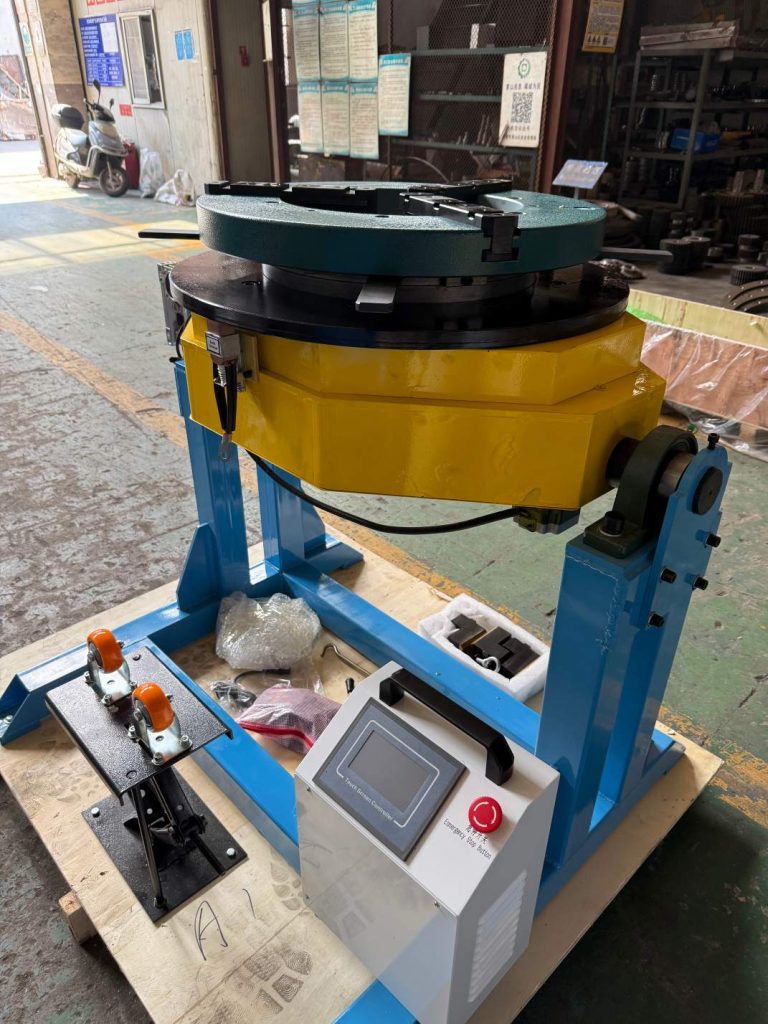
Automation has not removed the need for welders; it has changed what many welders do hour to hour. In modern shops, positioning equipment such as rotators, positioners, and manipulators holds heavy workpieces so the welder can maintain a stable torch angle and consistent travel speed. That equipment still needs a person who understands fit-up, heat input, and weld defects to set parameters and judge results.
Automation changes the welder’s job from torch-only work to process planning and verification, but skilled judgment remains the core requirement. <Evaluate ROI of Welding Automation Business Investment> covers how automation investments shift labor needs instead of eliminating them.
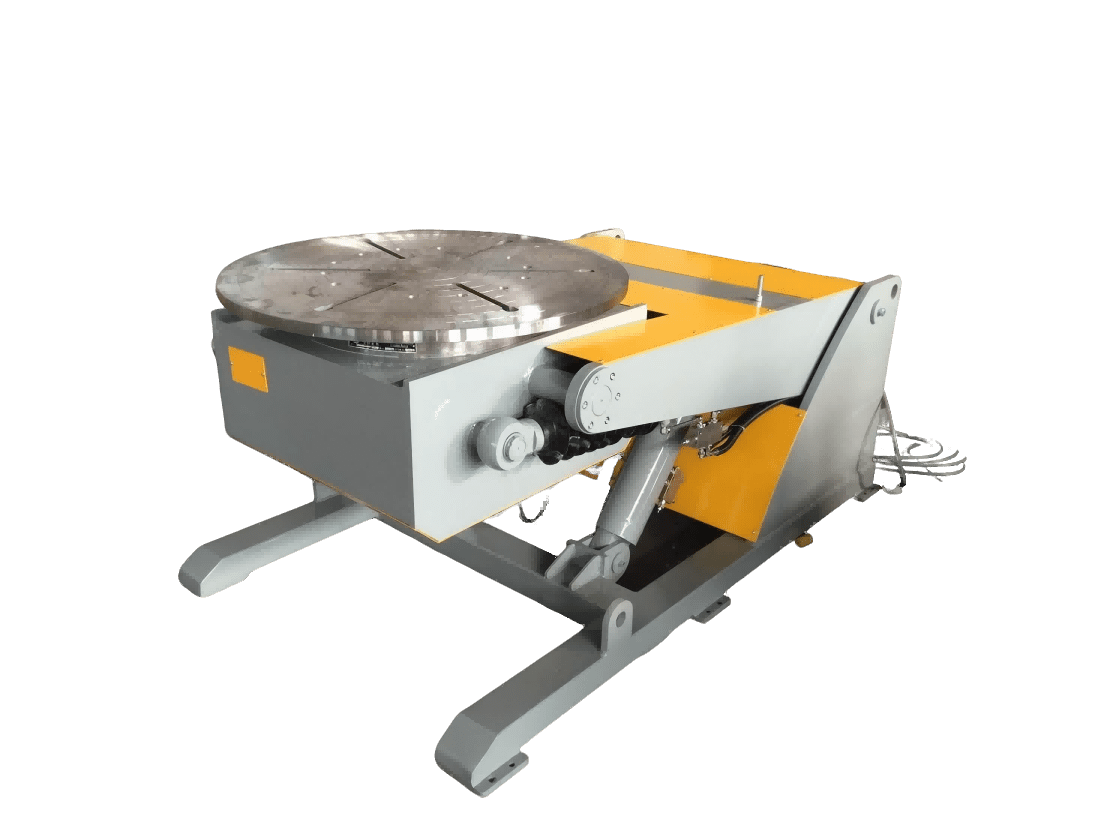
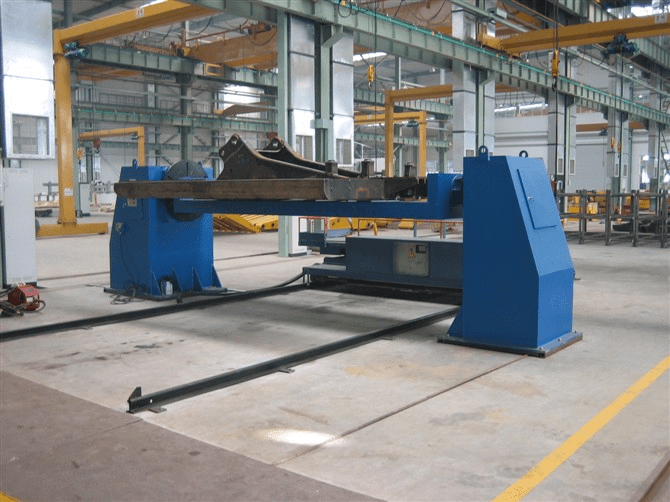
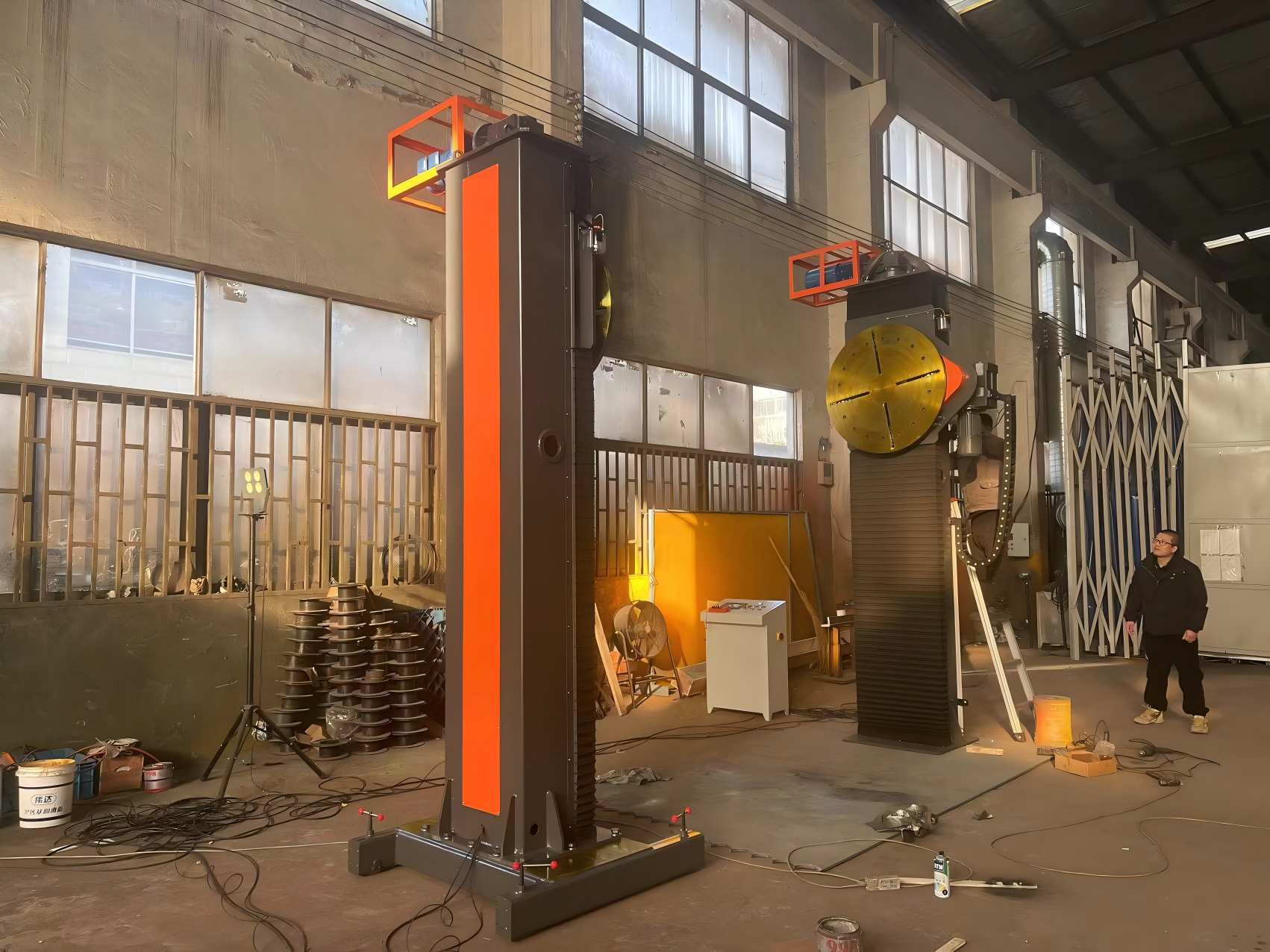
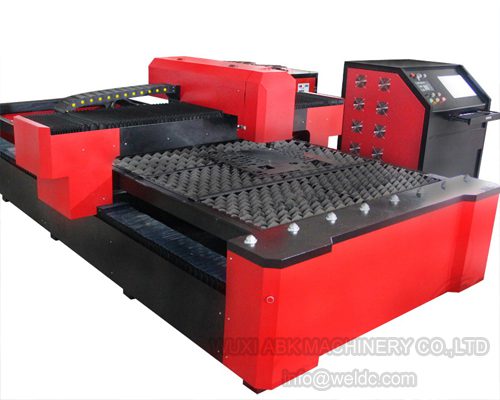
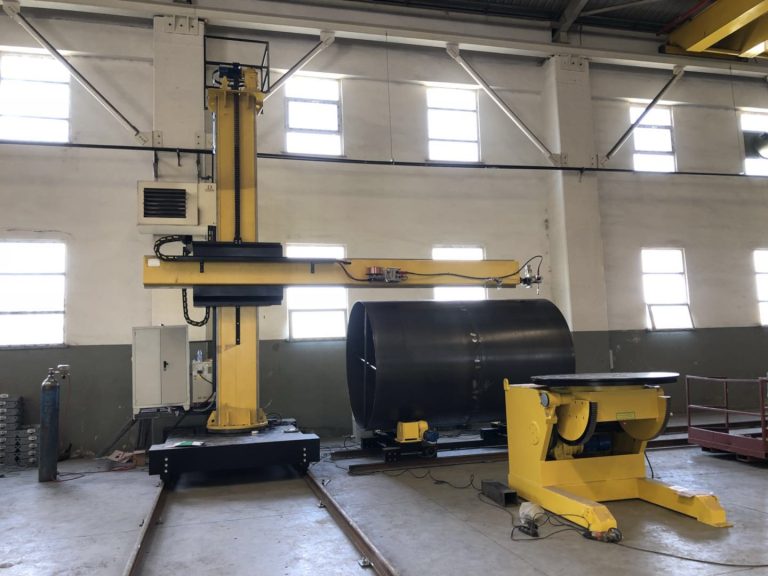
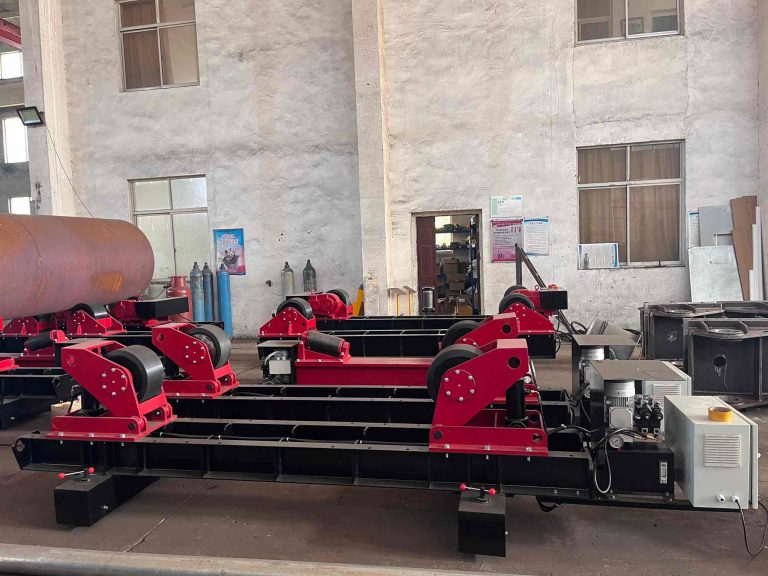
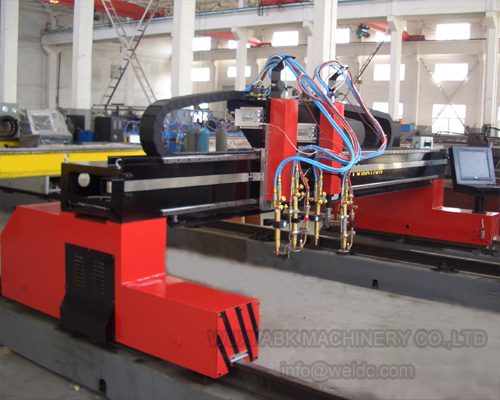
One clear example is vessel work. A head-and-tail positioner may rotate a heavy cylinder while the welder runs the seam; the machine removes lifting and handling strain, but the welder still controls weld size, speed, and tie-in points. A full production line integrates turning rolls, manipulators, and cutting stations, so welders who can move between manual and automated work become the most flexible employees.
Understanding how positioning, cutting, and welding equipment flow together helps welders move into planning and supervisory roles. <Achieve Production Success With One-Stop Welding Automation> covers the complete production setup and how it supports consistent output.
Manual welding remains important for field repair, pipe tie-ins, and complex joints. A welder who understands the difference between manual welding and equipment-assisted welding can choose the right approach for fit-up, travel speed, and final quality.
Manual and equipment-assisted welding have different productivity profiles, and skilled welders should understand both. <Pipe Welding Rotator vs Manual Welding | Productivity and Cost Comparison> covers the productivity and cost factors that shape modern pipe welding work.
Before You Choose: Real Drawbacks to Consider
Welding is not an easy job. It can be physically demanding, with long periods of standing, lifting, confined-space work, and awkward body positioning. The arc produces intense light, heat, and fumes, which is why proper ventilation, welding screens, respiratory protection, and PPE are essential. Employers and workers must follow safety requirements such as OSHA 1910.252 for welding, cutting, and brazing [4].
Travel and shutdown schedules can also create long weeks away from home. These trade-offs are manageable for many people, but anyone considering welding should weigh them honestly against the stability, income, and skill development the trade offers.
Next Step: Build a Welding Career or a Better Shop
If you are entering welding or improving a shop that supports welders, the right positioning and cutting equipment removes much of the physical strain and helps produce consistent work. WUXI ABK MACHINERY CO., LTD manufactures welding positioners, welding rotators, manipulators, and CNC cutting machines for fabricators in more than 40 countries.
If you are planning a welding station or production line for pipe, vessel, or structural work, contact ABK at [email protected] or +86 13616174307. The team supports equipment selection, customization, and project planning so you can build a safer and more efficient welding operation.
Frequently Asked Questions About Welding Careers
Is welding a good career for beginners?
Yes. Welding offers a clear entry path through technical training, apprenticeships, or employer training. Beginners can start earning while they learn, then increase pay through certifications and specialized skills.
How much do welders really make?
The U.S. median annual wage for welders, cutters, solderers, and brazers was $48,940 in May 2023 [2]. Actual income varies by location, industry, overtime, travel, and certifications, with specialized welders often earning considerably more.
Do I need a college degree to become a welder?
No. Most welding careers start with a high school diploma or equivalent plus technical training or an apprenticeship. A four-year degree is not the standard entry requirement.
Is welding dangerous?
Welding has real hazards, including arc light, heat, fumes, and physical strain. With proper training, ventilation, PPE, and compliance with standards such as OSHA 1910.252, the risks can be controlled effectively [4].
Will robots replace welders?
Automation changes the welder’s role more than it replaces it. Robots and positioning equipment handle repetitive joints, but skilled welders are still needed for setup, inspection, field repair, and difficult welds that cannot be easily automated.
What certifications help a welding career?
The American Welding Society Certified Welder program is widely recognized [3]. Industry-specific credentials such as ASME Section IX for pressure vessels and API 1104 for pipelines add further value depending on the work.
References
[1] U.S. Bureau of Labor Statistics, Occupational Outlook Handbook, “Welders, Cutters, Solderers, and Brazers,” https://www.bls.gov/ooh/production/welders-cutters-solderers-and-brazers.htm (accessed April 2026).
[2] U.S. Bureau of Labor Statistics, Occupational Employment and Wage Statistics, “51-4121 Welders, Cutters, Solderers, and Brazers,” https://www.bls.gov/oes/current/oes514121.htm (accessed April 2026).
[3] American Welding Society, “Certified Welder Program,” https://www.aws.org/certification/certified-welder-program (accessed April 2026).
[4] Occupational Safety and Health Administration, “1910.252 – Welding, Cutting, and Brazing,” https://www.osha.gov/laws-regs/regulations/standardnumber/1910/1910.252 (accessed April 2026).
If you’re interested, check out these related articles:
Pipe Welding Rotator vs Manual Welding | Productivity and Cost Comparison
Welding Positioner Selection for Pressure Vessels: Key Best Practices
CNC Flame Cutting: Precision Cutting for Heavy Plate Fabrication