7 Basic Types of Welding: Processes, Uses and How to Choose
Table of Contents
- The Seven Welding Processes in Practical Terms
- MIG, TIG, and Stick Welding
- Flux-Cored and Submerged Arc Welding
- Plasma Arc and Oxy-Fuel Welding
- Welding Type Comparison for Cost, Skill, and Shop Fit
- How to Choose the Right Welding Type
- Common Welding Limits and Process Switching Points
- From Manual Welding to Production Automation
- Plan Your Welding Equipment Around the Process
- FAQ
- What is the easiest basic welding type for a beginner?
- Which basic welding type makes the strongest weld?
- Is TIG or MIG better for aluminum?
- Can one machine perform all seven basic welding types?
The 7 basic types of welding most often referenced in fabrication training are MIG, TIG, stick, flux-cored, submerged arc, plasma arc, and oxy-fuel welding. They are not an official AWS ranking. They are the practical set most shops and technical programs teach first because they cover field repair, structural steel, pipe, sheet metal, and production welding. Laser welding, electron beam welding, and friction welding are also important, but those are usually classified as specialized or advanced processes. Choosing among the basic types starts with the base metal, joint access, thickness, and required production speed. This guide explains each process in plain terms and gives a decision path for fabrication and repair work.
The Seven Welding Processes in Practical Terms
Welding joins metal by heating the joint to create a fused bond, with or without filler metal. The difference among the seven types comes from the heat source, electrode type, shielding method, and how the filler is added. Understanding that difference is more useful than memorizing a list because the same material can often be welded with several processes, but not with equal productivity or quality.
MIG, TIG, and Stick Welding
MIG welding, also called GMAW, uses a continuously fed wire electrode and an external shielding gas. It is fast, relatively easy to learn, and common in manufacturing. The main limitation is that outdoor air movement can disturb the shielding gas, so MIG is usually a shop process unless the work area is protected.
TIG welding, also called GTAW, uses a non-consumable tungsten electrode and a separate filler rod. The welder controls heat precisely with a foot pedal or torch switch, which makes TIG suitable for thin stainless steel, aluminum, and high-quality pipe work. It is slower than MIG and requires more operator skill.
Stick welding, also called SMAW, uses a flux-coated electrode that creates its own shielding gas as it burns. This makes it useful outdoors, in wind, and on dirty or rusted steel. Stick welding is common in structural erection and field repair, but it produces more spatter and slag than wire-feed processes.
Flux-Cored and Submerged Arc Welding
Flux-cored arc welding, or FCAW, uses a tubular wire with flux inside. It can be self-shielded or gas-shielded. The process gives high deposition rates and works well on thicker structural steel. Equipment and technique are similar to MIG, but FCAW produces more smoke and slag that must be removed.
Submerged arc welding, or SAW, runs an arc under a blanket of granular flux. The arc is not visible, and the process produces very high deposition with minimal spatter. SAW is used for long straight or circumferential welds in tanks, vessels, beams, and heavy plate fabrication. It is not a practical choice for most field or out-of-position work.
Plasma Arc and Oxy-Fuel Welding
Plasma arc welding, or PAW, uses a constricted arc to create a high-energy plasma stream. It can maintain a stable arc at very low current, which helps with precision sheet metal and thin-wall tube work. The equipment is more specialized and expensive than conventional TIG or MIG systems.
Oxy-fuel welding, sometimes called gas welding, uses a fuel gas and oxygen flame instead of an electric arc. The equipment is portable and low cost, and the process is useful for repair, brazing, thin sheet, and maintenance work where electric power is not available. It is slower than arc welding and less commonly used for thick structural production joints.
Welding Type Comparison for Cost, Skill, and Shop Fit
The table below groups the processes into practical decision categories. It is a starting point, not a substitute for a qualified welding procedure.
| Process family | Common names | Best fit | Equipment and skill signal |
|---|---|---|---|
| Wire-feed arc welding | MIG, GMAW, FCAW | Mild steel, aluminum, structural fabrication | Moderate equipment cost; lower to moderate skill |
| Manual arc welding | Stick, SMAW | Outdoor repair, structural steel, pipe | Low equipment cost; moderate skill |
| Precision arc welding | TIG, GTAW | Stainless steel, aluminum, thin wall, pipe | Higher equipment cost; high skill |
| Heavy automatic arc welding | SAW | Long seams, circumferential welds, thick plate | High equipment cost; controlled shop process |
| High-energy arc welding | PAW | Precision sheet, thin-wall tube, stable low-current work | High equipment cost; specialized skill |
| Fuel gas welding | Oxy-fuel, OAW, gas welding | Repair, brazing, thin sheet, field maintenance | Low equipment cost; moderate skill |
How to Choose the Right Welding Type
Selection should follow the part and the production environment rather than the welder’s favorite process. A useful sequence is to evaluate material, access, productivity, and available skill.
First, identify the base metal and thickness. Aluminum, stainless steel, and carbon steel respond differently to each arc process. MIG and TIG are common for aluminum and stainless applications, while stick and FCAW handle many carbon steel structural jobs.
Second, check joint access and weld position. Overhead or vertical joints are easier with stick or flux-cored welding, while flat-position shop work may support SAW. Tight, thin, or cosmetic joints often favor TIG.
Third, match the process to production speed. A high-volume fabrication shop may choose MIG, FCAW, or automated SAW because deposition rate reduces labor time. A repair truck may choose stick welding because setup is simple and the process tolerates field conditions.
Fourth, confirm operator skill and equipment availability. Buying a TIG power source does not create TIG capability if the welding team is not trained on torch control and filler feeding. Process selection should be realistic about the people who will perform the work.
Common Welding Limits and Process Switching Points
MIG is productive, but its shielding gas is sensitive to wind. When a job moves outside or into an unprotected area, switching to stick or self-shielded FCAW may produce a more reliable weld.
TIG gives clean, precise welds, but it can be too slow for long structural seams. A shop that uses TIG for all stainless work may still choose SAW for long tank seams to reduce labor hours.
Stick welding handles dirty material and field conditions, but it creates slag and spatter. For clean indoor production on mild steel, MIG or FCAW usually creates a smoother workflow and less post-weld cleanup.
SAW is very productive, but it is limited by position and visibility. The flux blanket hides the arc, and the equipment is designed mainly for flat or horizontal shop work. Out-of-position field welds require a different process.
Plasma arc welding offers excellent control, but the equipment cost only makes sense when the precision requirement justifies it. Oxy-fuel welding is flexible and portable, but distortion control and speed are weaker compared with electric arc processes for structural work.
From Manual Welding to Production Automation
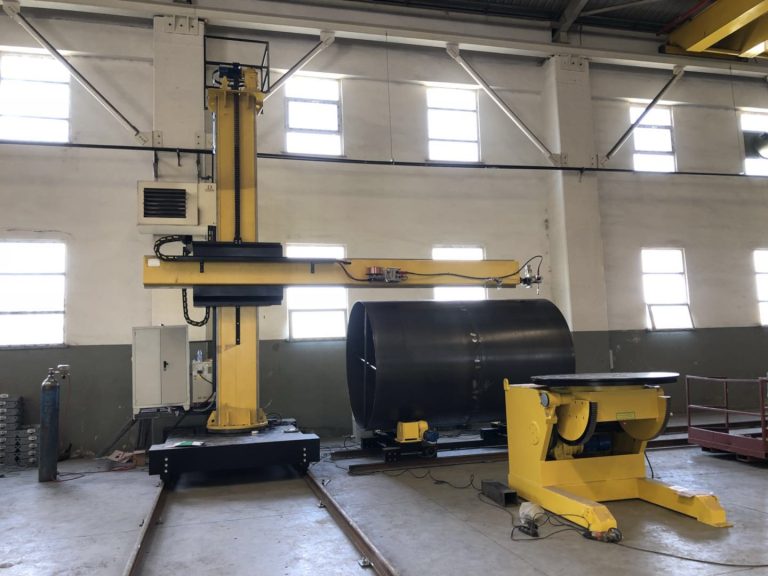
The seven basic welding processes can all be performed manually in a welding booth, but production shops often separate the welding process from the workpiece handling method. A MIG or submerged arc weld becomes more consistent when the torch remains fixed while a positioner or rotator moves the part at a controlled speed.
Rotators support large cylindrical workpieces under the welding torch. 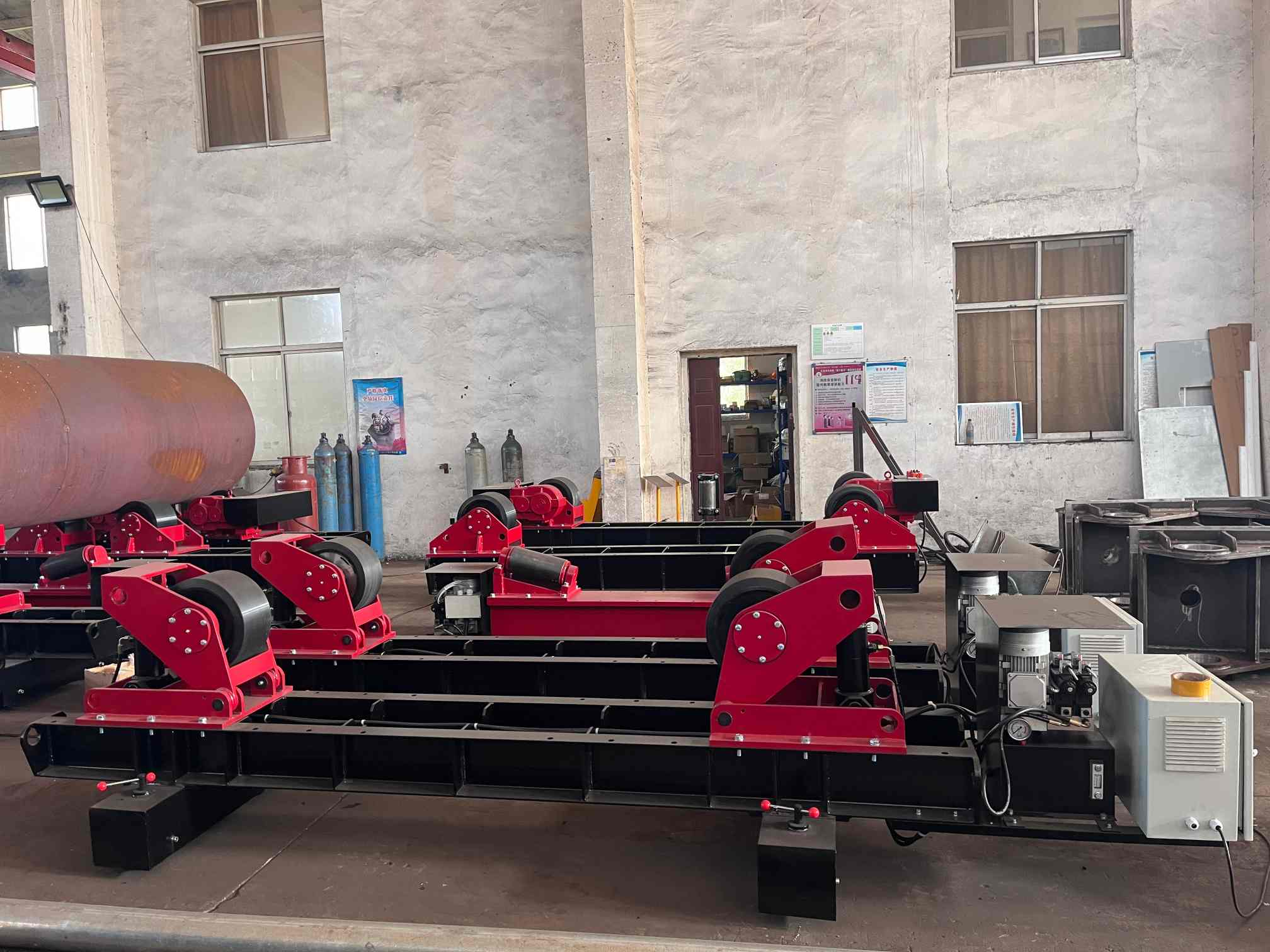 They also help align and tack vessel sections before final welding, which improves joint fit-up and reduces rework.
Heavy cylindrical workpieces are easier to weld when the part rotates instead of the welder moving around it. <Industrial Welding Rotator Types & Structural Designs> covers the differences between conventional, adjustable, and self-aligning rotator designs.
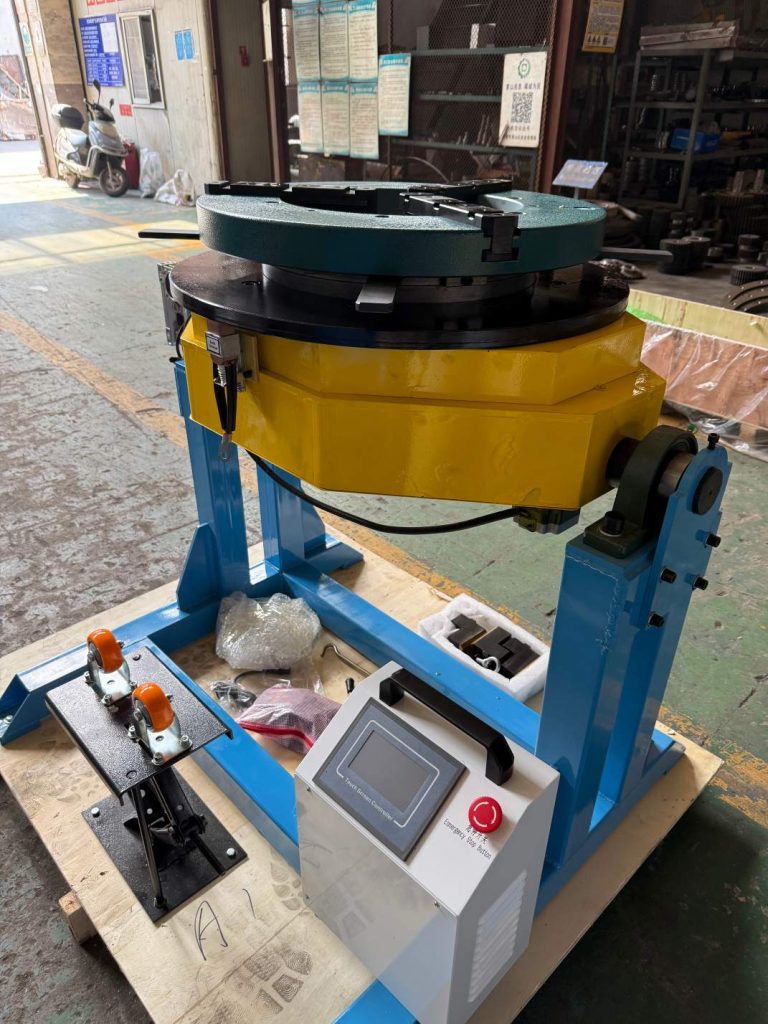
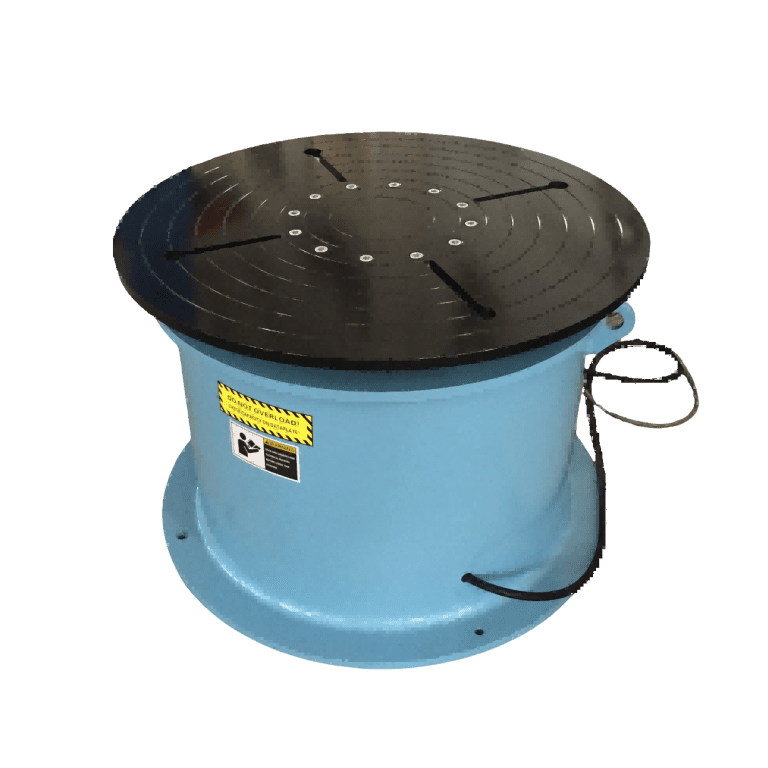
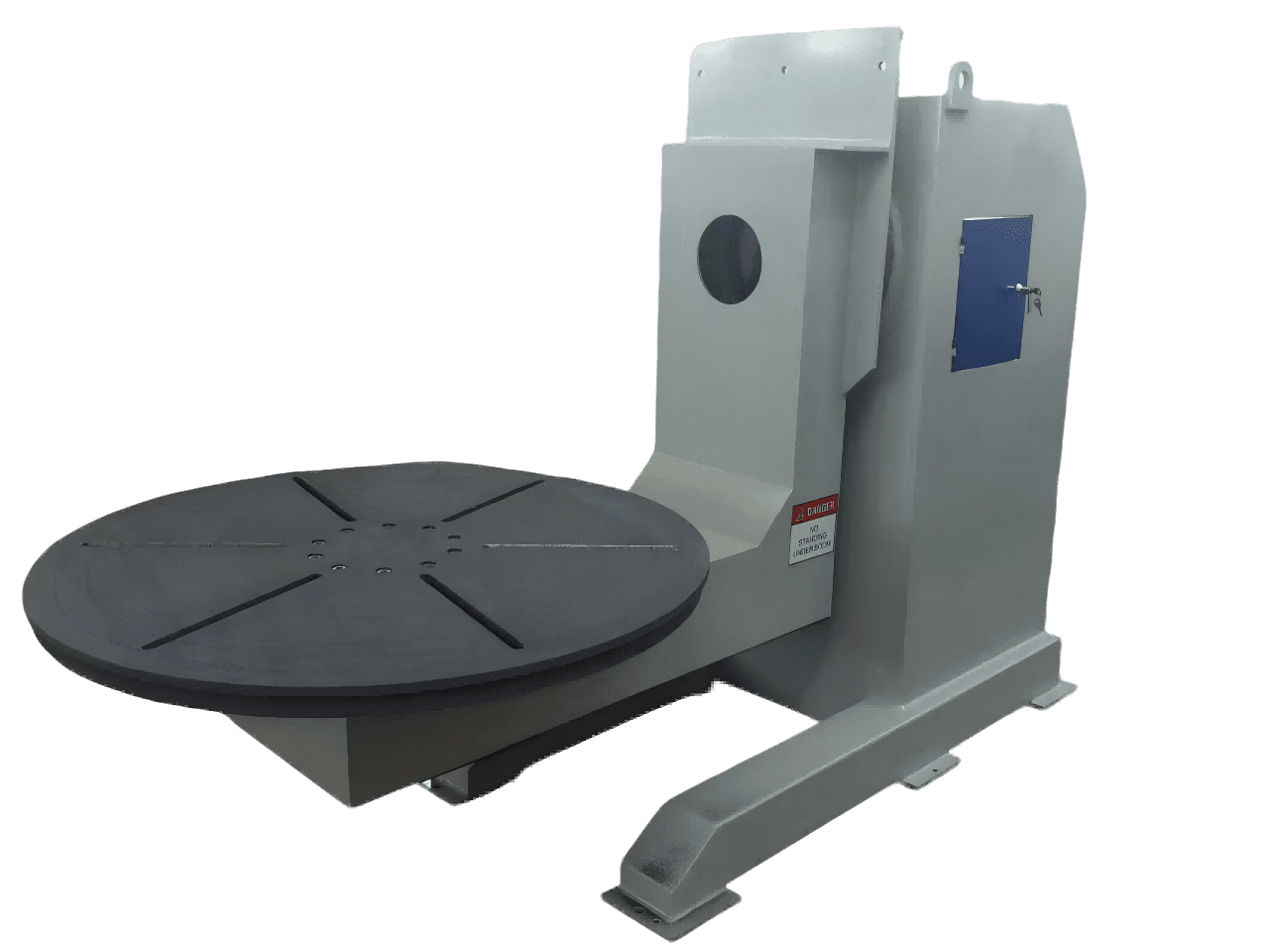
For circular welds on flanges, pipe ends, and smaller fabrications, a rotary welding turntable keeps the weld line accessible and repeatable. 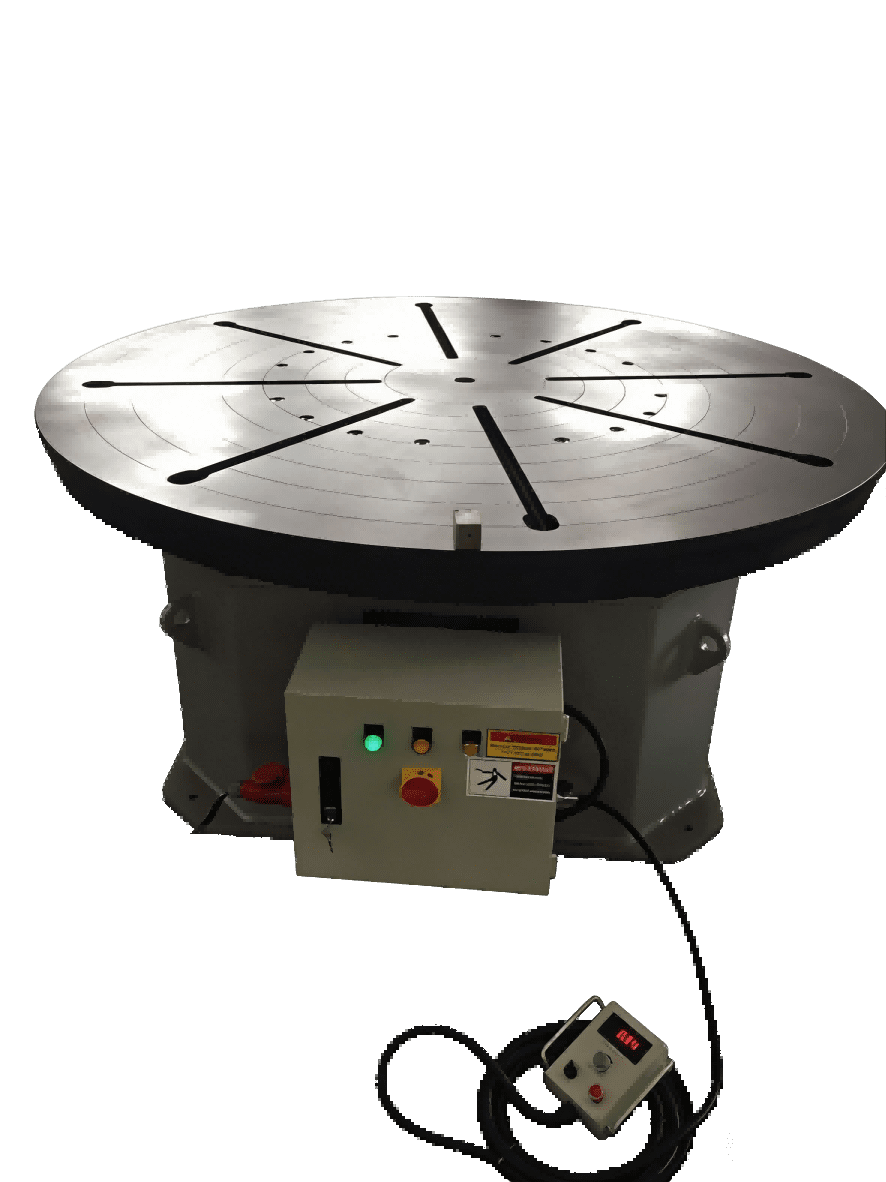 L-type positioners add tilt, which helps move the joint into the flat position for multi-axis parts.
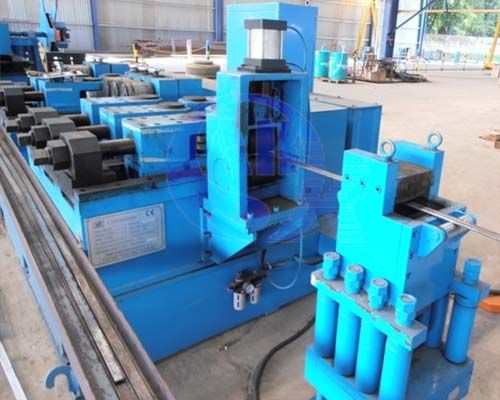
Automated H-beam assembly follows the same logic. The machine aligns the web and flange, holds them for tacking or welding, and reduces the manual handling that creates dimensional errors. 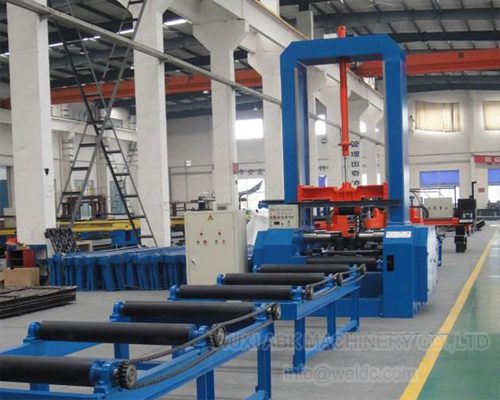 In boiler panel production, a fin-bar calibration machine helps maintain bar spacing and straightness for stable membrane welding.
Automated welding changes how fabricators evaluate repeatability and weld quality. <Automatic Welding Centers Improve Production Efficiency & Weld Quality> covers how coordinated rotator, manipulator, and power source systems support higher output.
WUXI ABK MACHINERY supplies these types of production aids for pipe, tank, H-beam, and boiler fabrication. Even so, the best choice still begins with the welding process, joint configuration, and production volume, not with a single machine type.
For non-standard part geometry or mixed product ranges, a standard catalog machine may not fit the work. <Custom Welding Automation Solutions for Industrial Manufacturing> covers how custom configurations are developed around workpiece dimensions and throughput.
Plan Your Welding Equipment Around the Process
If you are evaluating welding automation equipment for pipe, tank, or structural fabrication, contact WUXI ABK MACHINERY at [email protected] or +86 13616174307. Specify the workpiece diameter, material, weld position, required automation level, and production volume. That helps us recommend the right positioner, rotator, or welding manipulator for your process.
FAQ
What is the easiest basic welding type for a beginner?
MIG welding is usually the easiest starting point because the wire feeds automatically and the arc is easy to control. Stick welding is also common in training, especially for field and structural work, but it requires more arc-start and electrode-control practice.
Which basic welding type makes the strongest weld?
There is no single strongest welding type. Weld strength depends on the base metal, joint design, filler metal, procedure, and operator skill. TIG and SAW often produce very consistent high-quality welds, but a properly performed stick or MIG weld can meet the same structural requirement.
Is TIG or MIG better for aluminum?
For thin aluminum, sheet metal, or cosmetic work, TIG usually gives better control. For thicker aluminum parts or higher production rates, MIG is often faster and more practical. Aluminum MIG typically requires a spool gun or push-pull system to feed the soft wire reliably.
Can one machine perform all seven basic welding types?
Most single machines cannot perform all seven. Multi-process welders can handle MIG, stick, TIG, and sometimes flux-cored welding, but submerged arc, plasma arc, and oxy-fuel welding require different equipment. A shop that performs all seven processes usually owns several separate power sources and accessories.
If you’re interested, check out these related articles:
Precision Positioning for Pipe and Shaft Welding Workpieces
CNC Water Jet Cutting: Precision, No Heat, Any Material
Fit-Up Rotator for Accurate Vessel Alignment & Stable Welding
One-Stop Welding Automation: Build a Complete Production Line Setup