Fit-Up Rotator for Accurate Vessel Alignment & Stable Welding
Table of Contents
- How Fit-Up Rotators Work: Core Function and Design
- Why Precise Cylindrical Vessel Alignment Matters
- How Fit-Up Rotators Improve Tacking Procedures
- What Fit-Up Rotators Deliver: Efficiency, Quality, and Safety
- How to Select the Right Fit-Up Rotator for Your Application
- Frequently Asked Questions
- What is the primary purpose of a fit-up rotator in welding?
- How do fit-up rotators contribute to welding safety?
- What are the key considerations when purchasing a fit-up rotator?
Achieving precise alignment for cylindrical vessels before welding is a foundational step in quality fabrication. A fit-up rotator is a specialized piece of industrial machinery designed to support and precisely position these heavy, often unwieldy components. This equipment ensures that vessel sections are perfectly aligned, minimizing gaps and irregularities that can compromise weld integrity and overall structural performance. Mastering its use is critical for any operation focused on durable, high-performance welded products.
How Fit-Up Rotators Work: Core Function and Design
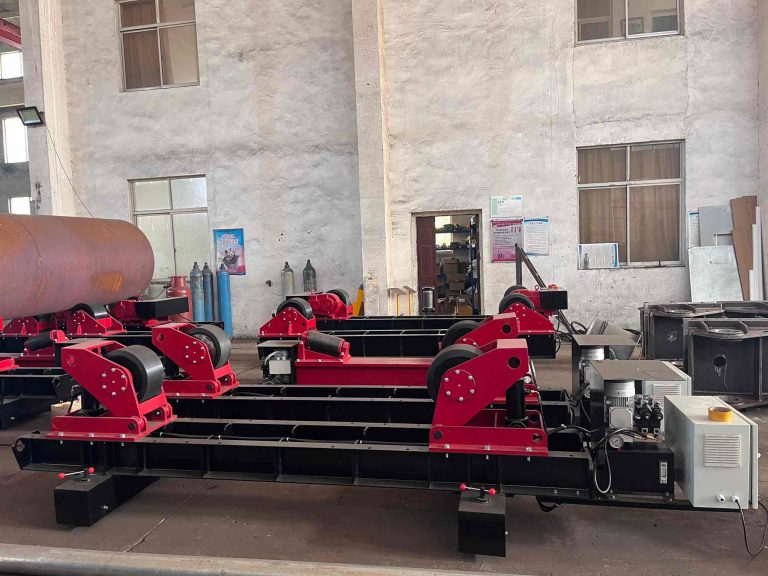
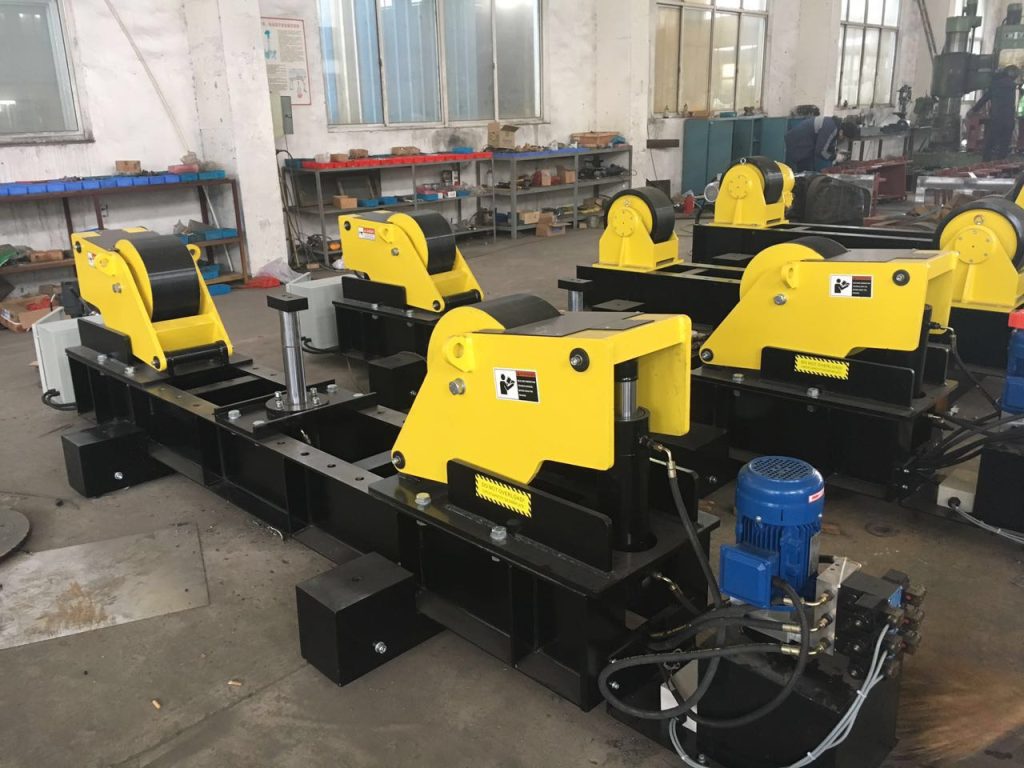
Fit-up rotators are essential welding equipment, providing stable support and controlled rotation for cylindrical vessels. These industrial machines are specifically engineered to facilitate the critical pre-welding stages, particularly the precise alignment and tacking of vessel sections. Our extensive experience, spanning over two decades in R&D and manufacturing, has shown that robust design is paramount for reliable performance in demanding fabrication environments.
How does a fit-up rotator ensure precise alignment for large vessels? Fit-up rotators utilize adjustable roller systems and robust frames to maintain concentricity and axial alignment. This design allows for fine adjustments that compensate for inherent irregularities often found in large diameter pipes or heavy pressure vessels. The controlled rotation ensures that every point along the circumference can be accessed and aligned with accuracy, which is a significant improvement over manual methods.
Why Precise Cylindrical Vessel Alignment Matters
Accurate cylindrical vessel alignment is paramount to prevent welding defects, control distortion, and ensure the structural integrity and performance of the final fabricated product. In tank fabrication and pressure vessel manufacturing, even minor misalignments can lead to significant issues. These include uneven stress distribution, increased material consumption due to excessive weld passes, and ultimately, product failure. Quality control begins long before the welding arc strikes.
We have observed that precise pre-welding alignment directly correlates with reduced post-weld distortion. When components are perfectly matched, the internal stresses induced during welding are more evenly distributed, leading to a more dimensionally stable finished product. This attention to detail is a cornerstone of quality assurance in heavy fabrication.
Here is a comparison of alignment methods:
| Feature | Manual Alignment | Fit-Up Rotator Alignment |
|---|---|---|
| Precision | Dependent on manual skill, often inconsistent | High, consistent, machine-controlled |
| Time | Labor-intensive, slow | Significantly faster setup and adjustment |
| Safety | Higher risk of injury from heavy lifting/positioning | Reduced manual handling, improved safety |
| Rework Rate | Higher due to potential misalignments | Lower due to accurate initial fit-up |
| Consistency | Varies widely | High, repeatable across projects |
How Fit-Up Rotators Improve Tacking Procedures
Efficient tack welding, facilitated by fit-up rotators, establishes the initial joint integrity. This process minimizes movement and gaps during the subsequent main welding passes, streamlining the fabrication workflow. Tacking is not merely about holding pieces together; it is about setting the stage for a high-quality seam weld.
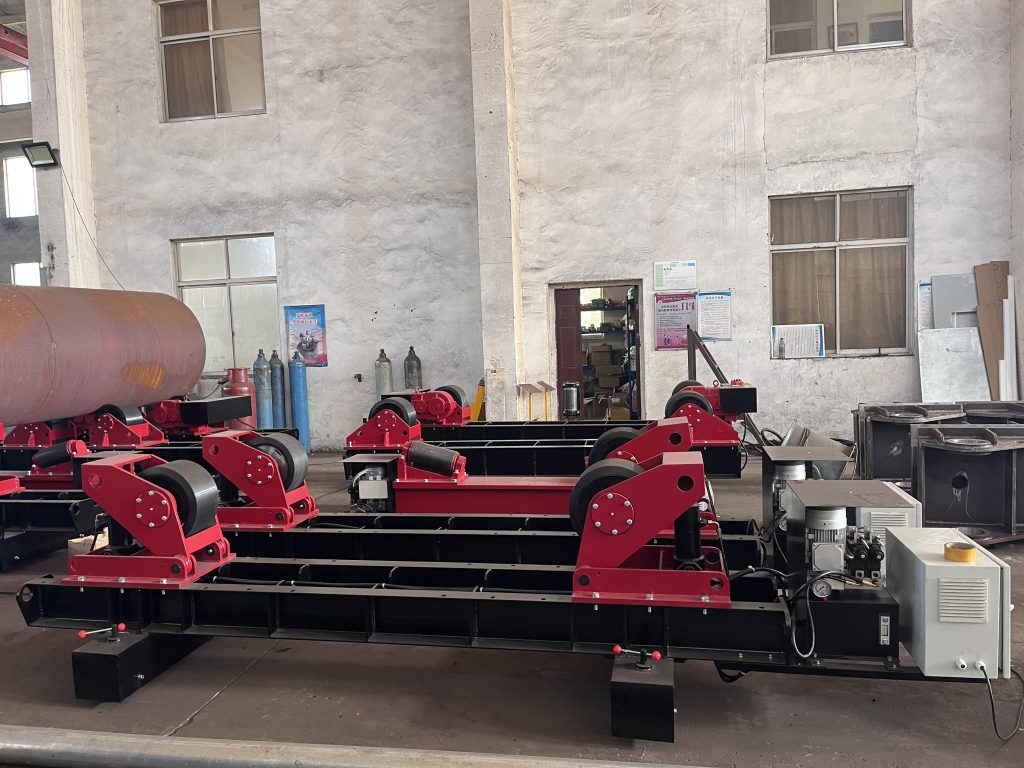
By providing a stable platform, fit-up rotators allow welders to perform tack welds with greater accuracy and consistency. The controlled rotation means that the tacking process can be executed in the optimal position, reducing welder fatigue and improving the quality of these critical initial welds. This pre-welding precision helps prevent issues like root pass defects and ensures better overall circumferential welding.
What Fit-Up Rotators Deliver: Efficiency, Quality, and Safety
Integrating fit-up rotators into welding operations significantly boosts productivity, enhances weld quality by ensuring optimal fit-up, and improves safety by reducing manual handling and awkward positioning. These machines are not just about convenience; they are about operational efficiency and cost reduction in heavy fabrication.
What are the benefits of using fit-up rotators over traditional methods? Fit-up rotators offer superior precision, reduced labor costs, faster setup times, and enhanced safety compared to manual methods. This directly contributes to higher quality and more efficient heavy fabrication projects. Automation in welding, even at the fit-up stage, translates into tangible gains.
I recall a specific project involving large diameter pipes for a chemical plant. Before implementing a dedicated fit-up rotator system, our client struggled with significant ovality and inconsistent gaps, leading to extensive grinding and rework after tacking. After we supplied a custom-designed fit-up rotator, they observed a 35% reduction in their overall fit-up and tacking time. More importantly, the subsequent main welding passes saw a dramatic decrease in defect rates, directly improving their quality assurance metrics. This demonstrated how robust equipment from WUXI ABK MACHINERY CO., LTD. can profoundly impact project timelines and final product quality.
How to Select the Right Fit-Up Rotator for Your Application
Choosing the right fit-up rotator requires considering vessel dimensions, weight, and specific welding technology. This ensures the equipment meets project demands and adheres to international standards for structural welding. Our range of welding positioners and rotators is designed with versatility in mind, reflecting our commitment to providing tailored solutions.
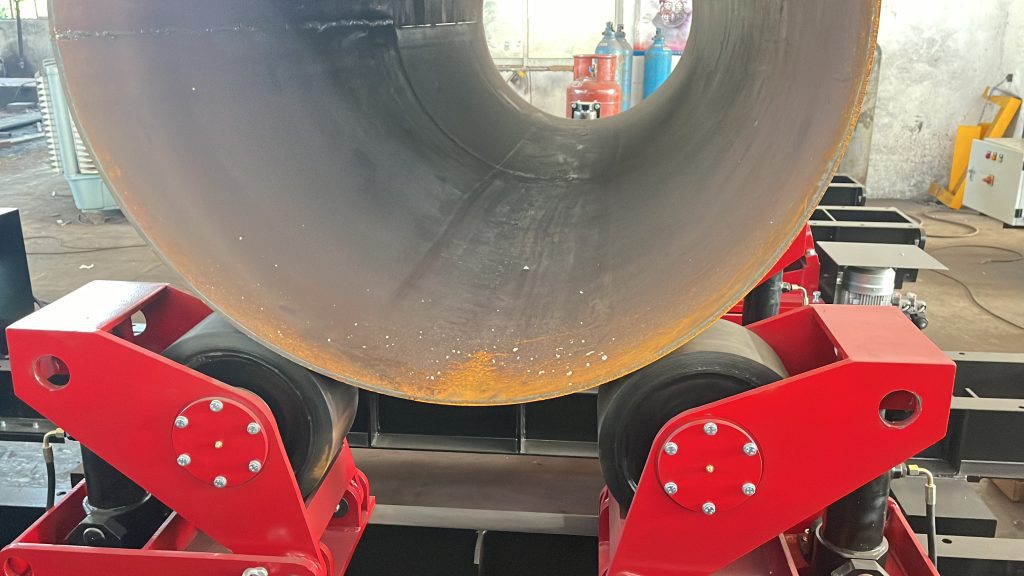
When selecting equipment, assess the maximum diameter and weight capacity needed for your largest vessel. Also, consider the minimum diameter for smaller components. The type of material handling system, whether it is for large diameter pipes or smaller pressure vessels, will influence the choice of roller material and drive system. We ensure our equipment complies with European standards and holds ISO/CE certifications, providing peace of mind for global clients.
Can fit-up rotators be used for different sizes and types of cylindrical vessels? Yes, fit-up rotators are highly versatile, with models available to accommodate a wide range of vessel diameters and weights. From small pipes to massive pressure vessels, they are suitable for diverse heavy fabrication needs. Adjustable roller spacing and variable speed drives allow for adaptability across various projects and welding jigs. If your operation handles vessels across a wide size range, it is worth discussing roller configuration and drive specifications before committing to a particular model.
Frequently Asked Questions
What is the primary purpose of a fit-up rotator in welding?
The primary purpose of a fit-up rotator is to precisely align cylindrical vessel sections and maintain their position during tack welding. This ensures consistent gaps and concentricity, which are vital for producing high-quality, defect-free main welds. It significantly improves efficiency and accuracy in pre-welding processes.
How do fit-up rotators contribute to welding safety?
Fit-up rotators enhance welding safety by minimizing the need for manual handling and awkward positioning of heavy, cylindrical workpieces. They provide a stable, controlled platform, reducing the risk of accidents associated with lifting, shifting, and securing large components. This controlled environment protects personnel.
What are the key considerations when purchasing a fit-up rotator?
When purchasing a fit-up rotator, key considerations include the maximum and minimum diameter and weight of the vessels to be handled. Evaluate the required rotation speed, the control system features, and the durability of the roller materials. Ensure the equipment meets relevant industry standards and certifications for reliability. To discuss specific requirements for your welding equipment, contact us at [email protected] or call +86 13616174307.
If you’re interested, check out these related articles:
Welding Rotator vs Manual Pipe Welding: Productivity & Cost Efficiency