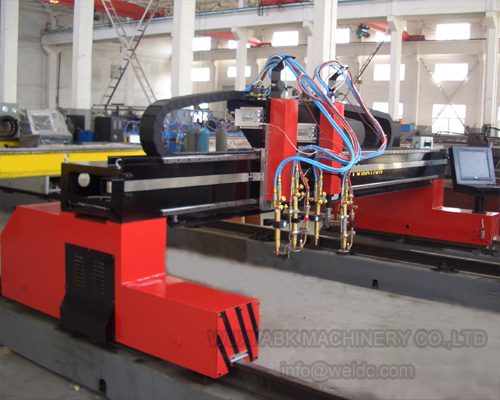
Arc Welding Automation: A Complete Guide for Industrial Buyers
Table of Contents
- What Arc Welding Automation Actually Changes
- Build the Right Motion Foundation
- Match the Workpiece and Production Volume
- Labor Savings, Rework Costs, and the Real Payback
- Specification Checks Before You Buy
- Plan Your Arc Welding Automation Upgrade
- Frequently Asked Questions About Arc Welding Automation
- Is automated arc welding suitable for low-volume job shops?
- Which arc welding process is easiest to automate?
- How much training do operators need after automation?
- What information should I send before quotation?
- Does arc welding automation replace manual welders?
Arc welding automation is the application of controlled motion systems, power sources, and programming to move the welding torch, the workpiece, or both along a repeatable weld path. The goal is not simply higher speed; it is to reduce variation from part to part while making weld quality easier to inspect and predict. For industrial buyers, the practical question is which tasks to automate first and what equipment combination will remain productive as product mix changes. This guide explains the main system choices, the conditions that make automation pay, and the specification checks that prevent costly mismatches.
What Arc Welding Automation Actually Changes
In manual welding, the operator simultaneously controls arc length, travel speed, torch angle, and part position. Automated arc welding moves many of those adjustments into a programmed path and a stable workpiece fixture. It can improve repeatability and reduce fatigue, but it also moves the bottleneck. Fit-up gaps, inconsistent tack welds, and part tolerance become more visible because the system follows a planned path even when the joint is not ideal.
A well-designed automation project therefore begins with consistent upstream cutting, bending, beveling, and fit-up rather than with the welding cell itself. Buyers who treat automation as a robot replacement for a skilled welder often miss this point. The most productive installations use automation to hold a proven weld procedure in a controlled position, not to compensate for unstable parts.
Build the Right Motion Foundation
An automated arc welding system usually has three functional parts: a welding power source and wire feed system, a motion system for the torch or workpiece, and a control system that coordinates weld schedules, travel speed, and auxiliary functions such as shielding gas and seam tracking. The motion foundation has the largest effect on part access and setup time.
| Motion component | What it moves | Best-fit application |
|---|---|---|
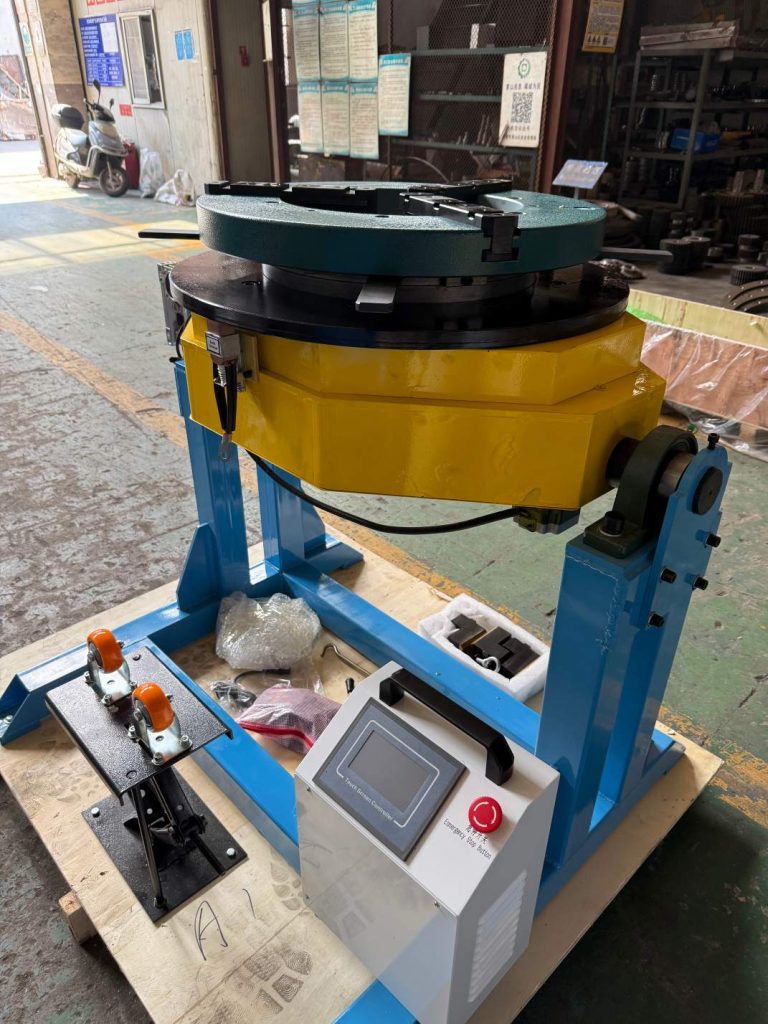
| Turntable positioner | Rotates small to medium workpieces | Brackets, frames, circular parts |
| Multi-axis positioner | Tilts and rotates the workpiece | Castings and assemblies with multiple weld faces |
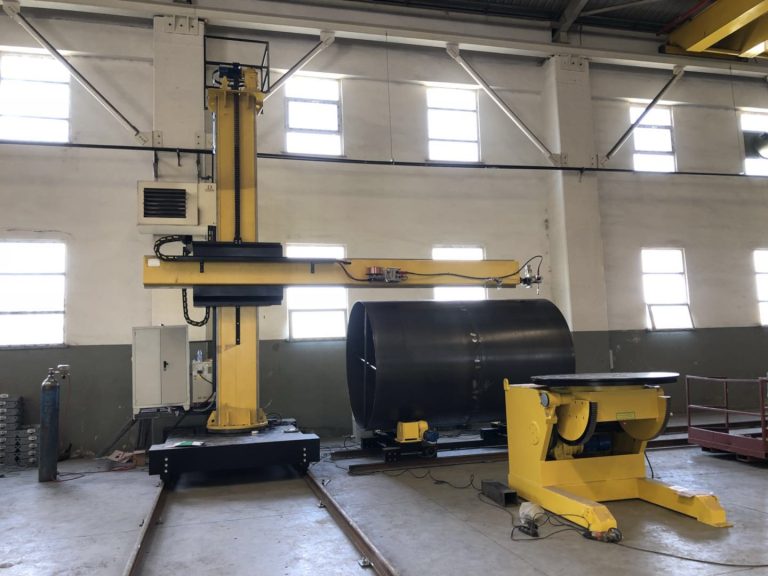
| Column and boom manipulator | Moves the torch along vertical and horizontal axes | Long seams on large vessels |
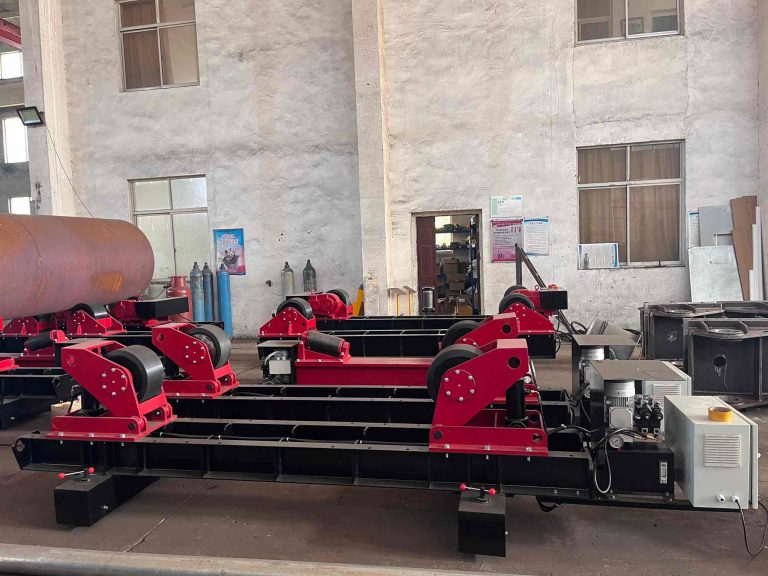
| Welding rotator | Rotates cylindrical workpieces | Pipes, tanks, pressure vessels |
| Head-and-tailstock positioner | Supports and rotates long parts between centers | Shafts, rolls, long structural members |
For stable arc welding automation, the torch and part must maintain a consistent working point. If a rotator allows speed variation or a positioner has backlash, the weld bead can wander even when the program is correct. This is why the mechanical foundation matters more than the power source in many applications.
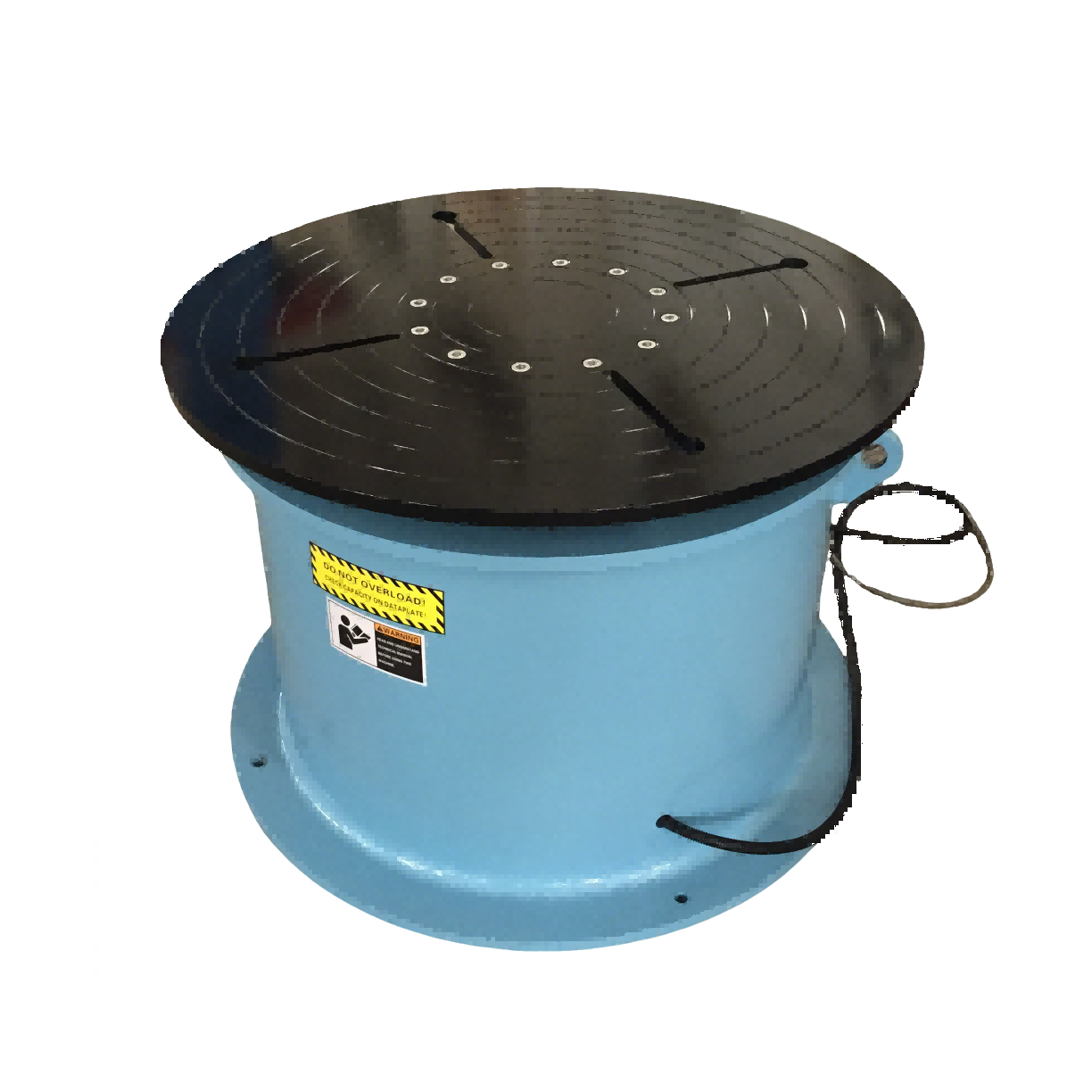
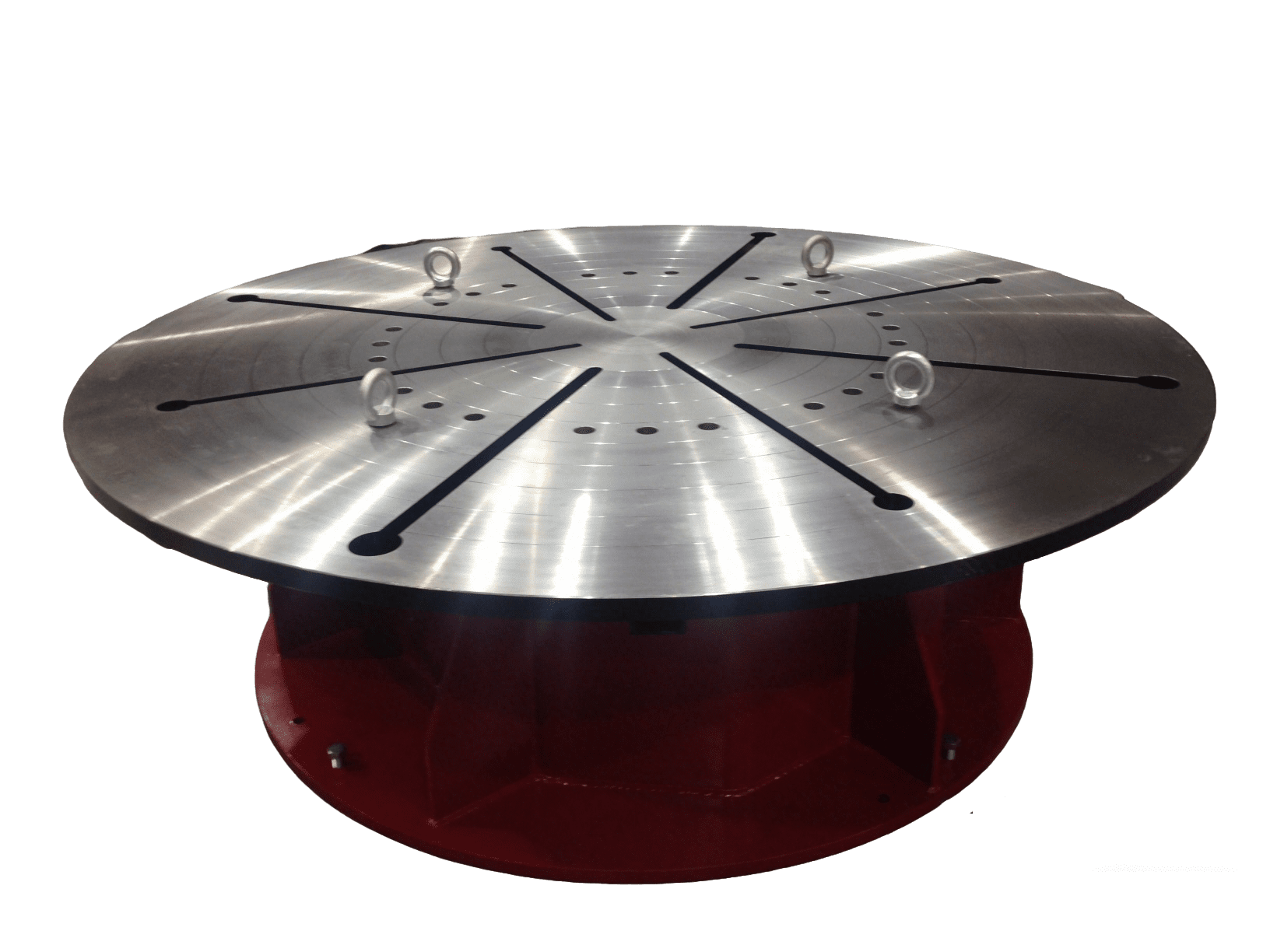
Arc welding automation works best when the motion foundation and weld sequencing are planned as one system rather than purchased as separate machines. <Automatic Welding Centers Improve Production Efficiency & Weld Quality> covers how coordinated rotator and manipulator stations reduce idle time and keep weld quality consistent.
Match the Workpiece and Production Volume
Automation is not an all or nothing decision. The first step is to separate parts by geometry, weight, batch size, and annual volume. A heavy cylindrical tank shell suits a welding rotator and column boom combination. A small bracket with two weld faces may only need a compact turntable and a fixed torch. A casting with multiple faces may need a three-axis positioner so each joint reaches the flat or horizontal position that the selected process prefers.
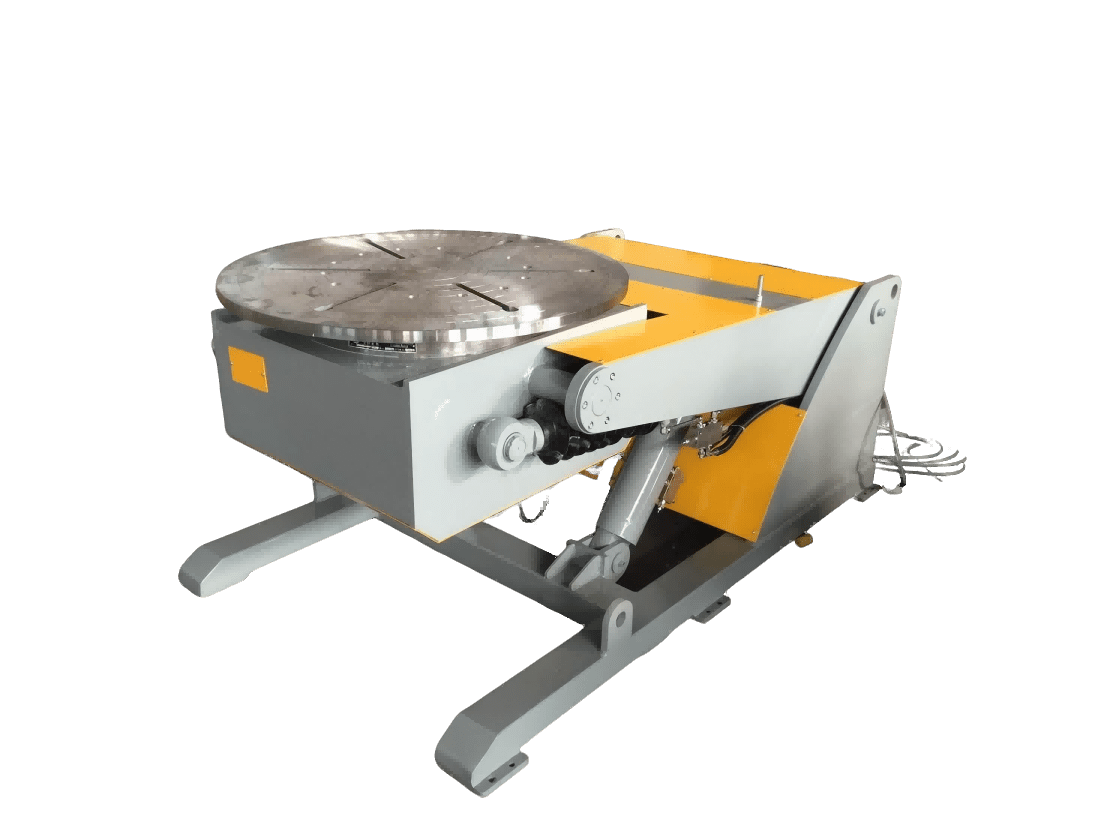
If the part family changes frequently, buyers should give more weight to quick-change fixtures and stored weld schedules than to maximum travel speed. Low-volume high-mix shops can still justify automation when the same part returns in predictable batches or when the weld is safety critical and requires traceable consistency.
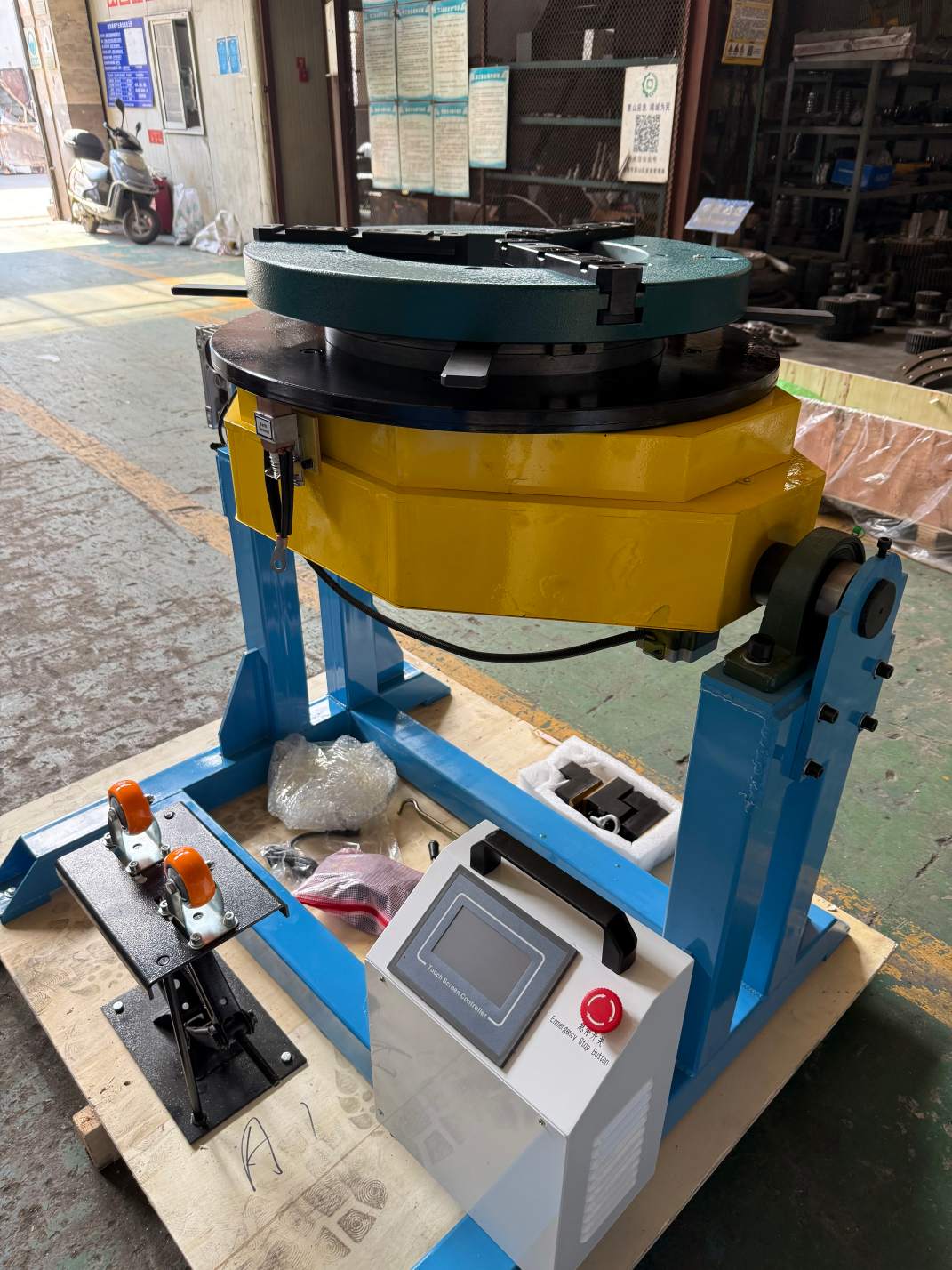
A toolroom with one-off parts may not recover the cost of a dedicated fixture, but a fabrication shop producing 300 identical skid frames per year may justify a simple positioner quickly. The key is not whether a shop is small, but whether the workpiece and joint are stable enough to program once and repeat many times.
Labor Savings, Rework Costs, and the Real Payback
The strongest automation payback usually comes from reducing rework and improving first-pass weld acceptance, not just from cutting arc-on time. Manual welders can produce excellent work, but repeatability is difficult to maintain across a full shift, especially on long seams or heavy parts. Automation helps by holding travel speed, torch angle, and work angle more consistently.
The economic case should include direct labor, welding consumables, grinding and repair labor, inspection time, and schedule risk. Lower rework also means fewer interruptions to downstream assembly. A simple payback model is:
Annual net benefit = (manual hours per part minus automated hours per part) × parts per year × loaded labor rate + avoided rework cost − annualized equipment, programming, and maintenance cost.
This formula does not replace a full capital request, but it keeps the comparison focused on hours and quality rather than equipment price alone.
A credible automation business case must account for more than the equipment invoice. <Evaluate ROI of Welding Automation Business Investment> covers how to justify procurement decisions to finance and operations leaders.
Specification Checks Before You Buy
Before requesting a quotation, build a simple requirement sheet. Include the workpiece drawings or STEP files, material grade and thickness, weld type and size, tolerance class, production quantity per month, available floor space, crane capacity, and power supply voltage. A positioner specification is not just load capacity; it also includes table diameter, spindle speed range, tilt range, backlash, and whether the equipment must interface with a robot or a welding manipulator.
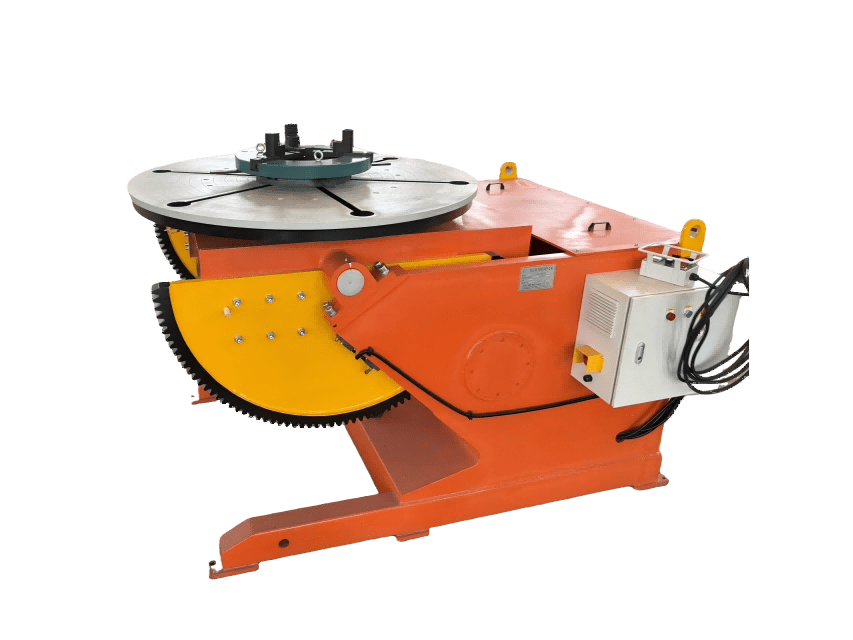
For cylindrical parts, specify the minimum and maximum diameter, length, weight, and the acceptable axial drift during rotation. For automated arc welding, ask whether the control system can store multiple weld schedules and whether seam tracking or arc-voltage control is needed for the application.
Ask for an acceptance test that uses your part or a representative sample, not only a dry run without an arc. The test should record weld macros, penetration, visual condition, and cycle time. This may require an hour of preparation, but it prevents the common failure mode of accepting a machine based on a catalog load rating and later discovering that the fixture cannot hold the part in the correct orientation.
Many automation projects stall because individual machines are selected before the full production flow is defined. <One-Stop Welding Automation: Build a Complete Production Line Setup> covers how to plan a complete production line setup from material handling to final weld inspection.
Plan Your Arc Welding Automation Upgrade
Send your part drawings, material, weld size, batch volume, and available power supply to WUXI ABK MACHINERY CO., LTD at [email protected] or +86 13616174307. A specification-focused inquiry will return a more accurate equipment configuration faster than a general request for a welding machine. We can help you select the right positioner, rotator, or manipulator combination and define the acceptance criteria before you commit.
Frequently Asked Questions About Arc Welding Automation
Is automated arc welding suitable for low-volume job shops?
It can be, when jobs repeat in small batches or require consistent weld quality. Dedicated fixtures may not pay back on one-off parts, but a standard turntable with stored schedules can still reduce setup time for recurring families. Automation should follow a stable part range, not replace manual welding for constantly changing prototypes.
Which arc welding process is easiest to automate?
Short-circuit GMAW and FCAW are common because wire feeding and voltage control are straightforward to integrate. Submerged arc welding suits long straight or circumferential seams. GTAW can be automated but usually needs more sophisticated arc-length control and joint cleanliness. The best process depends on material thickness, joint access, and required deposition rate rather than a universal ranking.
How much training do operators need after automation?
Operators still need to understand weld setup, part fit-up, and process limits. Programming a simple positioner may require a few days of training, while a multi-axis robotic cell requires more. The main change is that the operator spends less time fighting fatigue and more time monitoring travel speed, torch condition, and weld appearance.
What information should I send before quotation?
Send part drawings or models, material and thickness, weld sizes, monthly quantity, floor space, and power supply. If cylindrical parts are involved, include diameter range, length, and maximum weight. Also note whether the equipment must connect to an existing power source or robot. This information helps configure a system instead of estimating a generic machine.
Does arc welding automation replace manual welders?
No. It changes the skill mix. Shops still need people who can read weld quality, set up equipment, manage fit-up, and solve process problems. Automation reduces the volume of repetitive manual welding, but it creates demand for operators and technicians who can diagnose weld defects and maintain the motion system.
If you’re interested, check out these related articles:
Automatic Welding Centers Improve Production Efficiency & Weld Quality
Achieve Production Success With One-Stop Welding Automation
Tube to Tube Automatic Welding for Boiler Header Joints
Automatic Girth Welding Machines: Boost Efficiency for Pipeline Projects