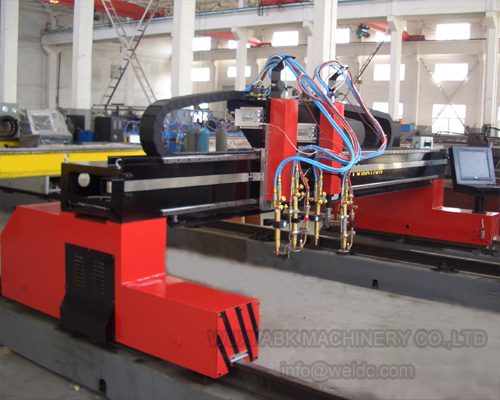
Automatic Girth Welding Machines: Boost Efficiency for Pipeline Projects
Table of Contents
- What Automatic Girth Welding Actually Does
- How These Machines Work in Practice
- How does an automatic girth welding machine contribute to project efficiency and weld quality?
- What are the main advantages of using an automatic girth welding machine over manual methods?
- Where AGW Machines Deliver the Most Value
- What types of projects or pipe materials are best suited for automatic girth welding?
- The Real Cost and Quality Impact
- How to Select the Right AGW System
- Frequently Asked Questions
- What kind of maintenance does an automatic girth welding machine require?
- Are automatic girth welding machines difficult to operate, and what training is typically needed?
- How does the initial investment in an AGW machine compare to long-term cost savings?
Constructing modern pipelines demands precision, durability, speed, and cost control in equal measure. Automatic Girth Welding machines deliver a mechanized solution for joining pipe sections that addresses all four requirements simultaneously. The technology produces high-quality, consistent welds across diverse pipeline projects while accelerating timelines that would otherwise stretch months longer under manual methods.
What Automatic Girth Welding Actually Does
Automatic Girth Welding automates the circumferential welding process for pipes. This matters most in pipeline construction where thousands of individual pipe sections must be joined end-to-end across hundreds of kilometers. Unlike manual welding, AGW systems use specialized equipment to control welding parameters, electrode feeding, and torch movement with high accuracy. The automation minimizes human error and increases welding speed substantially.
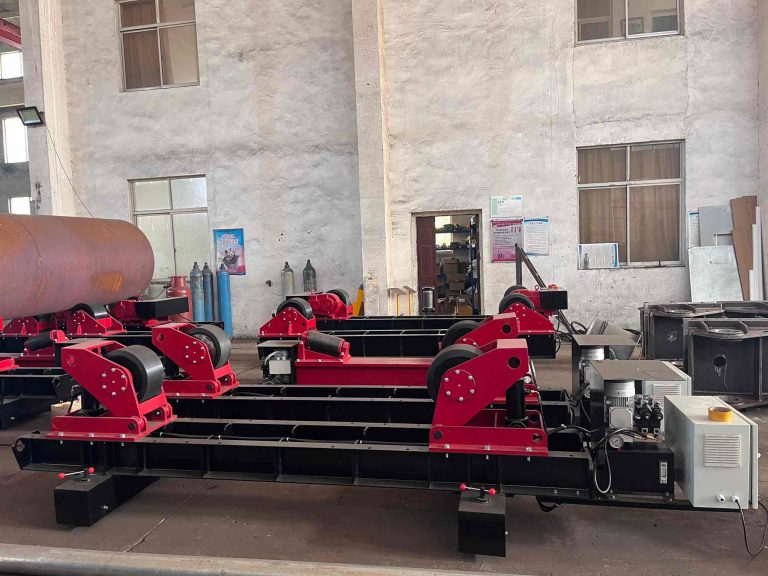
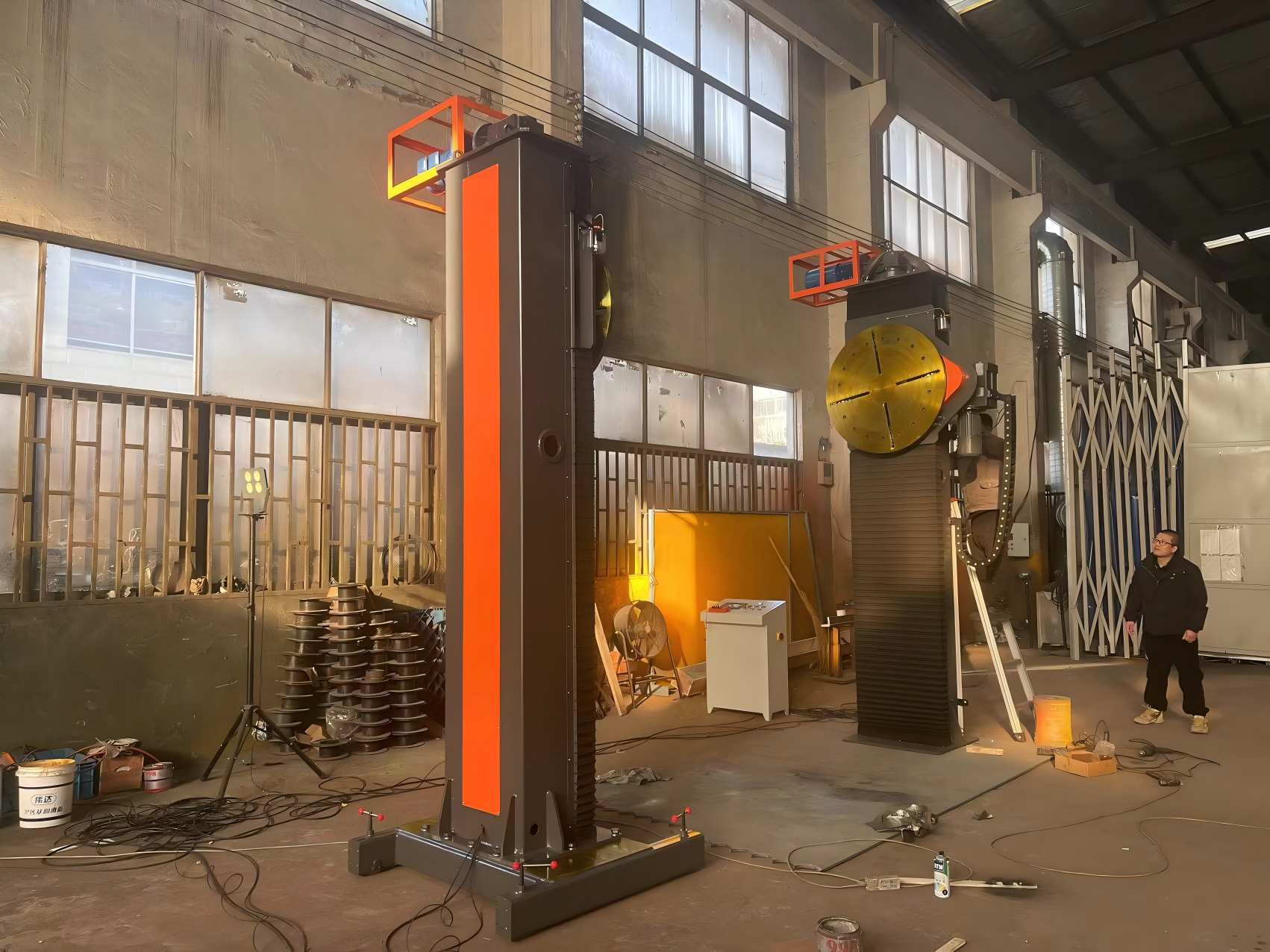
The core principle involves moving the welding head around a stationary pipe or rotating the pipe under a stationary welding head. Either approach creates a continuous, uniform weld seam. This consistency is fundamental to achieving the quality required for critical infrastructure where a single defective joint can shut down an entire pipeline for weeks.
How These Machines Work in Practice
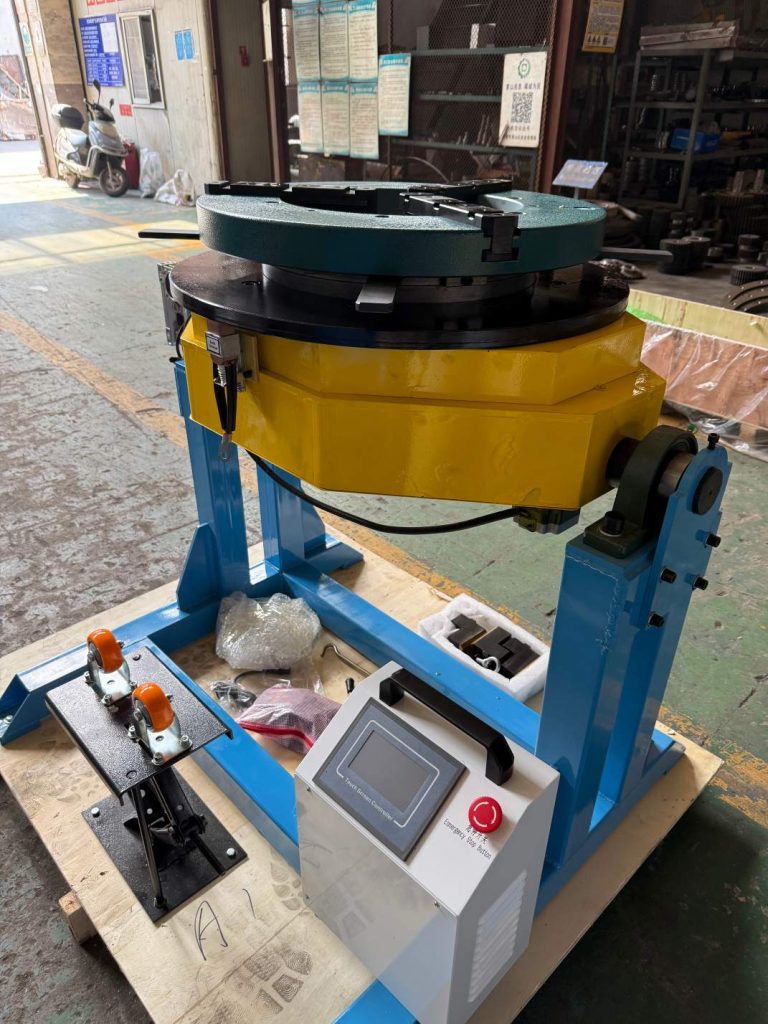
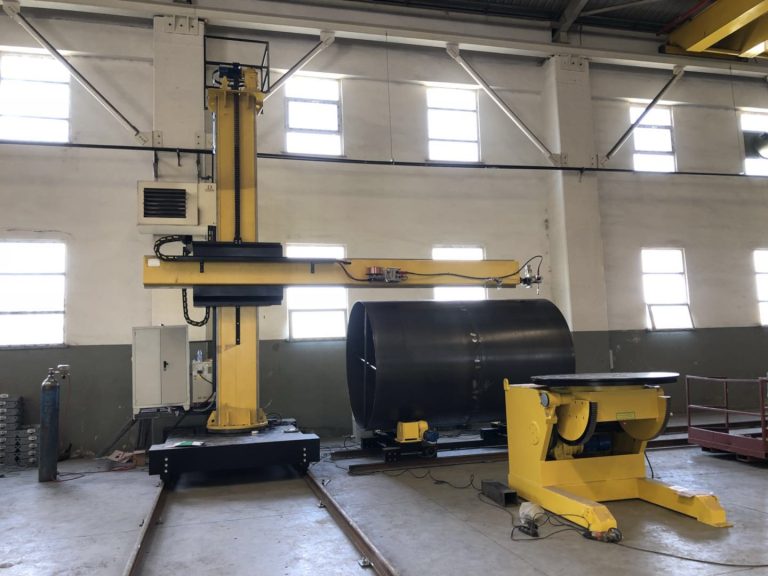
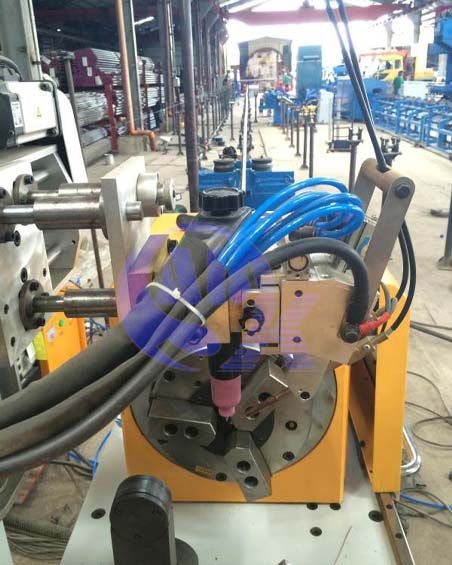
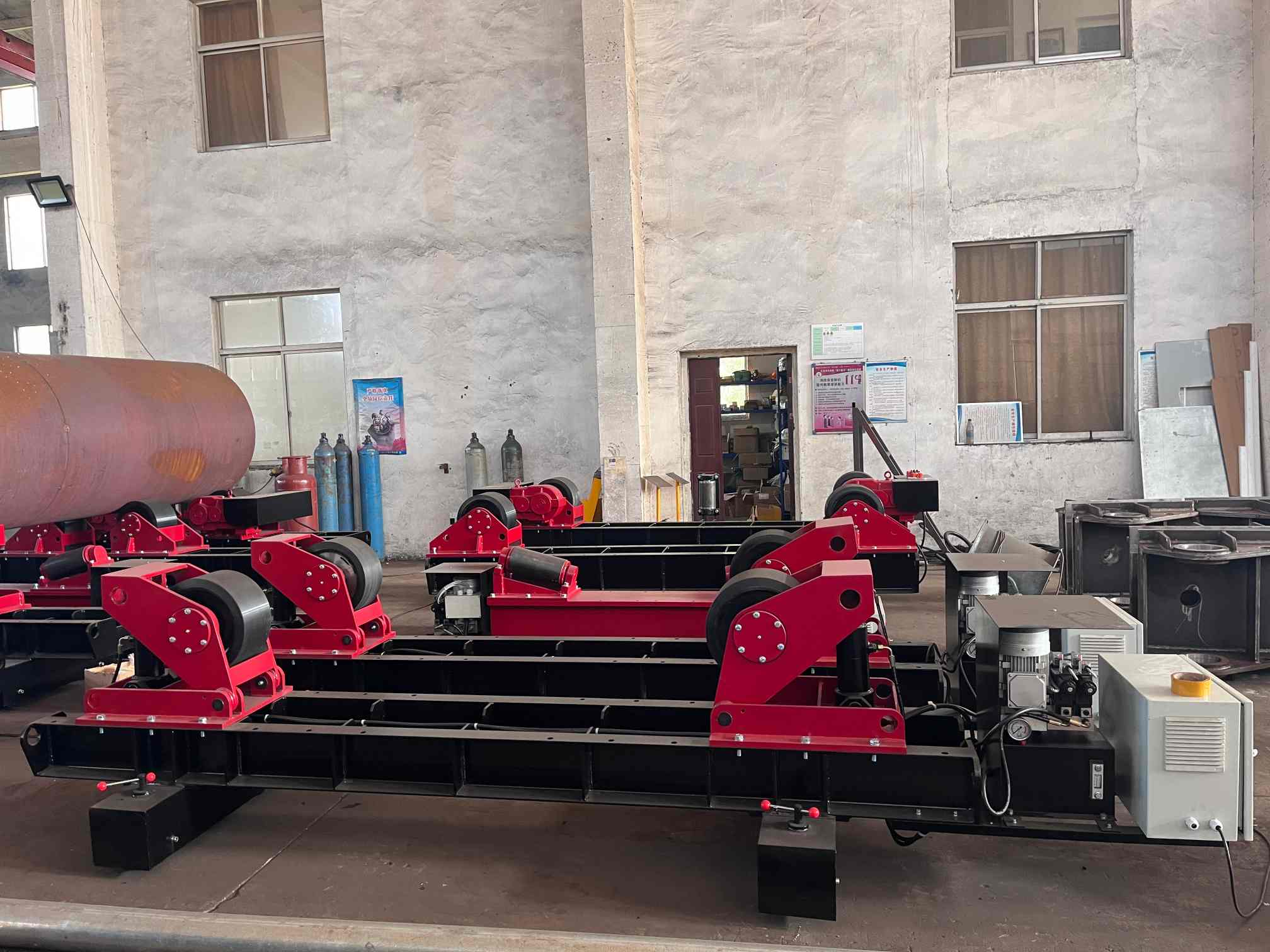
Automatic Girth Welding machines integrate several components into a sophisticated system: a welding power source, a control system, a welding head with an arc guidance mechanism, and a carriage or rotator system. The welding head typically employs either Submerged Arc Welding or Gas Metal Arc Welding processes.
SAW uses a continuously fed consumable electrode and a blanket of granular flux, which melts to form a protective slag and shielding gas. GMAW uses a continuously fed wire electrode and an external shielding gas to protect the weld pool. The control system precisely manages current, voltage, travel speed, and wire feed rate, ensuring optimal weld penetration and bead profile. This precision engineering and robust component selection ensure reliable operation across demanding field conditions.
How does an automatic girth welding machine contribute to project efficiency and weld quality?
An automatic girth welding machine boosts project efficiency by reducing welding time per joint and minimizing rework. Automated control over welding parameters ensures consistent heat input and deposition rates, leading to uniform weld quality. This consistency translates into fewer defects, less need for repairs, and faster progression through project milestones. The controlled environment also allows for higher travel speeds than manual methods can sustain.
What are the main advantages of using an automatic girth welding machine over manual methods?
Automatic girth welding offers distinct advantages over manual welding: superior consistency, higher deposition rates, and reduced labor dependency. These factors combine to improve project timelines and overall cost-effectiveness substantially.
| Feature | Automatic Girth Welding (AGW) | Manual Welding (SMAW/FCAW) |
|---|---|---|
| Weld Quality | Highly consistent, low defects | Variable, depends on operator skill |
| Welding Speed | High, continuous operation | Slower, intermittent |
| Labor Cost | Lower per weld joint | Higher, skilled labor intensive |
| Operator Fatigue | Minimal | Significant |
| Safety | Enhanced, reduced exposure | Higher exposure to hazards |
| Material Waste | Reduced | Potentially higher |
Where AGW Machines Deliver the Most Value
Automatic Girth Welding machines prove critical for large-scale pipeline projects where speed, quality, and consistency determine project success. Primary applications include oil and gas pipelines, water transmission lines, and chemical processing pipelines. These machines perform particularly well on heavy-wall pipes and projects requiring long stretches of continuous welding.
For projects involving hundreds of kilometers of pipe, the initial investment in AGW technology quickly pays for itself through accelerated schedules and reduced inspection failures. Deploying AGW is most beneficial when pipe diameters remain consistent and the project scale justifies the setup and programming time. Projects with frequent diameter changes or short runs may not recover the setup costs as efficiently.
What types of projects or pipe materials are best suited for automatic girth welding?
Automatic girth welding is best suited for large-diameter, long-distance pipeline projects using carbon steel, stainless steel, or alloy steel pipes. It is ideal for applications requiring high integrity welds: oil and gas transmission, water pipelines, and power plant piping. The technology performs well on heavy-wall pipes where multiple weld passes are needed, as the automated system maintains consistent parameters across every pass.
The Real Cost and Quality Impact
Automating girth welding brings measurable benefits to pipeline construction and fabrication projects. The most immediate advantage is a significant increase in welding efficiency. AGW systems complete welds much faster than manual methods, directly shortening project timelines. This speed does not sacrifice quality; automated controls ensure highly consistent weld beads, reducing the likelihood of defects. Lower defect rates mean less rework, which saves both time and material costs.
Consistent quality from AGW reduces the need for extensive non-destructive testing and subsequent repairs. On a recent large-diameter water pipeline project, AGW implementation resulted in a defect rate below 1%, a substantial improvement over the 5-7% typically seen with manual methods for similar applications. This directly contributed to a 15% reduction in overall project completion time. Automating the welding process also improves safety by minimizing operator exposure to hazardous welding environments. The predictable performance of AGW machines allows for more accurate project planning and budgeting, offering a clearer return on investment calculation before the first weld is struck.
If your project involves more than a few hundred joints or requires consistent quality documentation for regulatory compliance, it is worth discussing AGW specifications with equipment suppliers before committing to a manual approach.
How to Select the Right AGW System
Selecting the appropriate automatic girth welding solution requires careful consideration of several factors. First, assess your specific project requirements: pipe diameter, wall thickness, material type, and production volume. The choice between SAW and GMAW processes depends on these variables. SAW typically suits thicker walls and higher deposition requirements, while GMAW offers more flexibility for varying positions and thinner materials.
Evaluate the machine’s control system capabilities. Advanced systems offer greater precision and ease of programming, which reduces setup time between different pipe specifications. Consider the manufacturer’s reputation, their research and development capabilities, and their commitment to quality standards. Manufacturers with ISO/CE certifications and experienced R&D teams, such as WUXI ABK MACHINERY CO., LTD, offer reliable equipment built for long-term performance. Comprehensive technical support and operator training are crucial for maximizing the efficiency and lifespan of your investment. Investigate the machine’s maintenance requirements and the availability of spare parts to ensure minimal downtime during critical project phases.
Frequently Asked Questions
What kind of maintenance does an automatic girth welding machine require?
Regular preventative maintenance, including inspection of consumables, electrical components, and mechanical parts, is crucial for optimal performance and extending equipment lifespan. This involves routine cleaning, calibration checks, and software updates to maintain precision and reliability in operation. Most manufacturers recommend a maintenance schedule tied to operating hours rather than calendar time.
Are automatic girth welding machines difficult to operate, and what training is typically needed?
Modern automatic girth welding machines are designed for user-friendliness despite their technical sophistication. Operators typically require specialized training covering machine setup, programming, troubleshooting, and safety protocols. This training ensures operators can maximize the machine’s capabilities and maintain weld quality. Most operators with prior welding experience can become proficient within two to four weeks of hands-on training.
How does the initial investment in an AGW machine compare to long-term cost savings?
The initial investment for an automatic girth welding machine can be significant, but it often leads to substantial long-term cost savings through increased welding efficiency, reduced labor requirements, lower material waste, and superior weld quality that minimizes rework. These combined factors typically result in a favorable return on investment over the project lifespan. For projects exceeding 500 joints, the payback period often falls within the first major project cycle. To discuss how these calculations apply to your specific project requirements, contact our team at [email protected] or call +86 13616174307.
If you’re interested, check out these related articles:
Welding Rotator vs Manual Pipe Welding: Productivity & Cost Efficiency