Accurate Positioning Techniques for Pipe and Shaft Welding Workpieces
Table of Contents
- How Welding Chuck Positioners Actually Work
- Why Precision Clamping Determines Weld Quality
- Which Chuck Type Fits Your Pipe and Shaft Geometry
- What Advanced Positioner Features Add to Your Process
- How to Match a Positioner to Your Production Requirements
- Frequently Asked Questions
- What are the benefits of using a welding chuck positioner?
- How does a welding positioner improve weld quality?
- Why is precision clamping crucial in pipe welding?
Achieving high-quality welds on cylindrical components like pipes and shafts demands meticulous control over workpiece positioning. Precision workpiece positioning for pipe and shaft welding is not merely an advantage; it is a fundamental requirement for consistent weld integrity and operational efficiency. This approach minimizes human error, enhances safety, and ultimately contributes to the longevity and performance of welded structures.
How Welding Chuck Positioners Actually Work
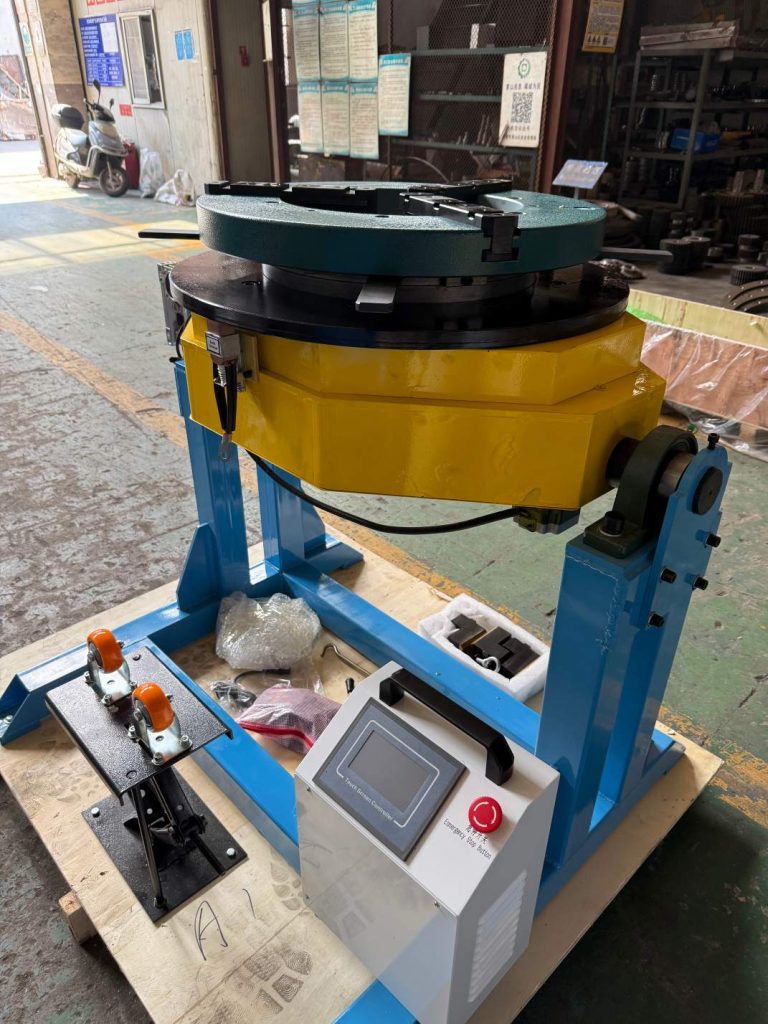
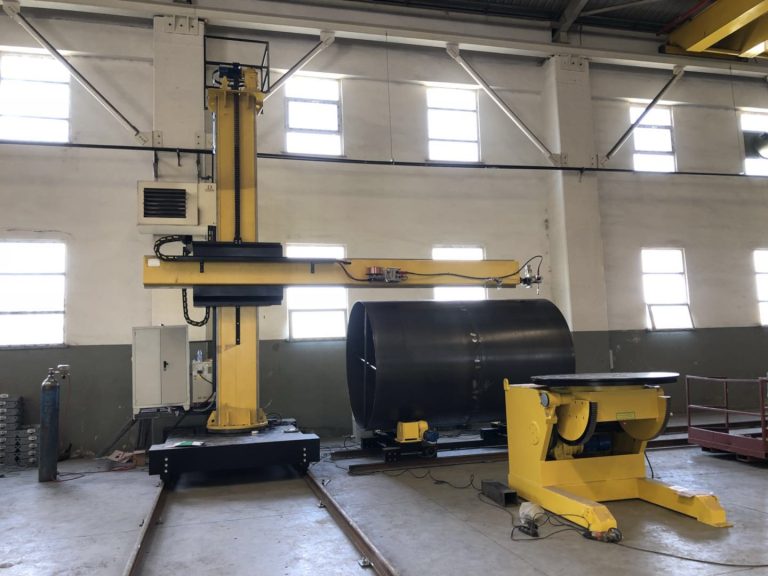
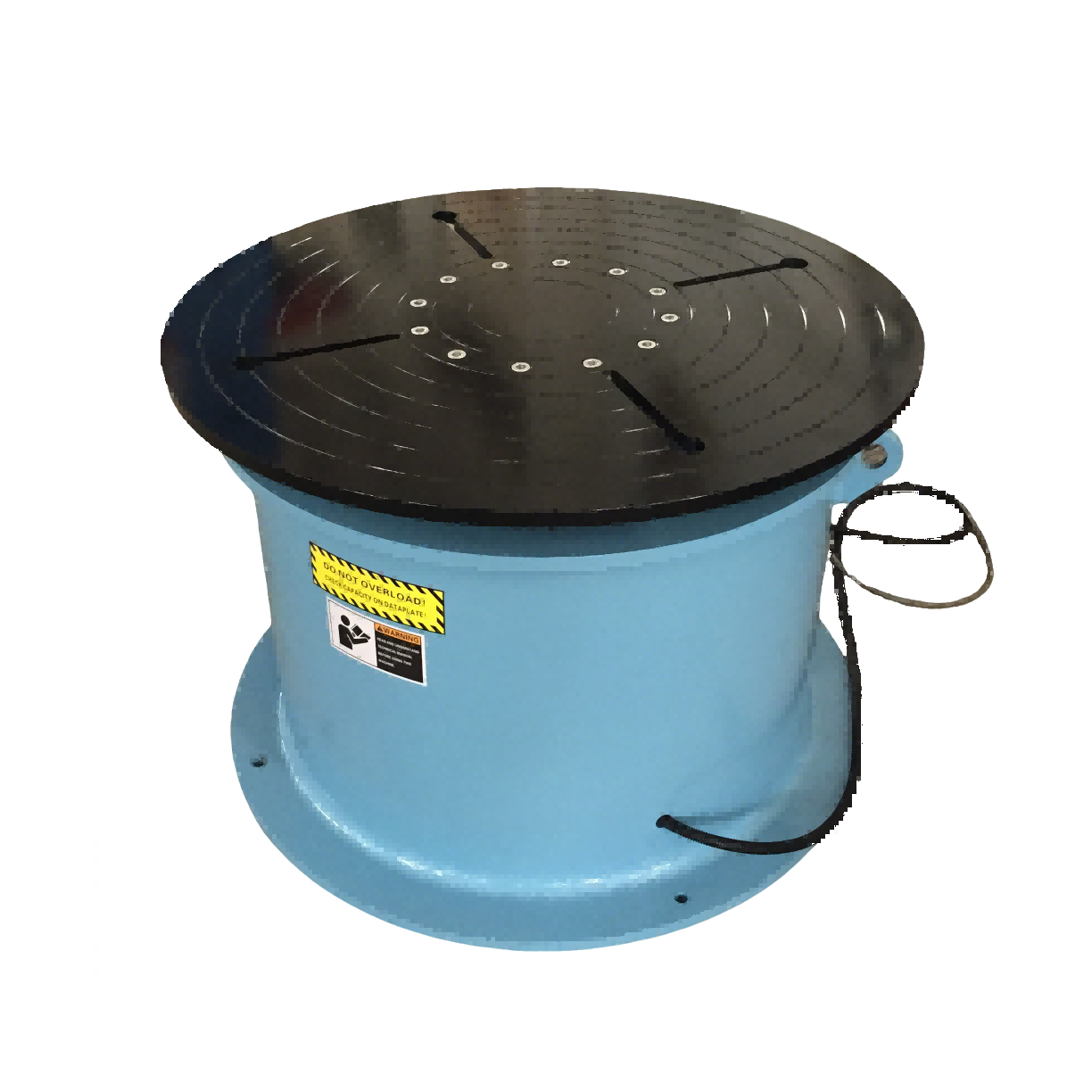
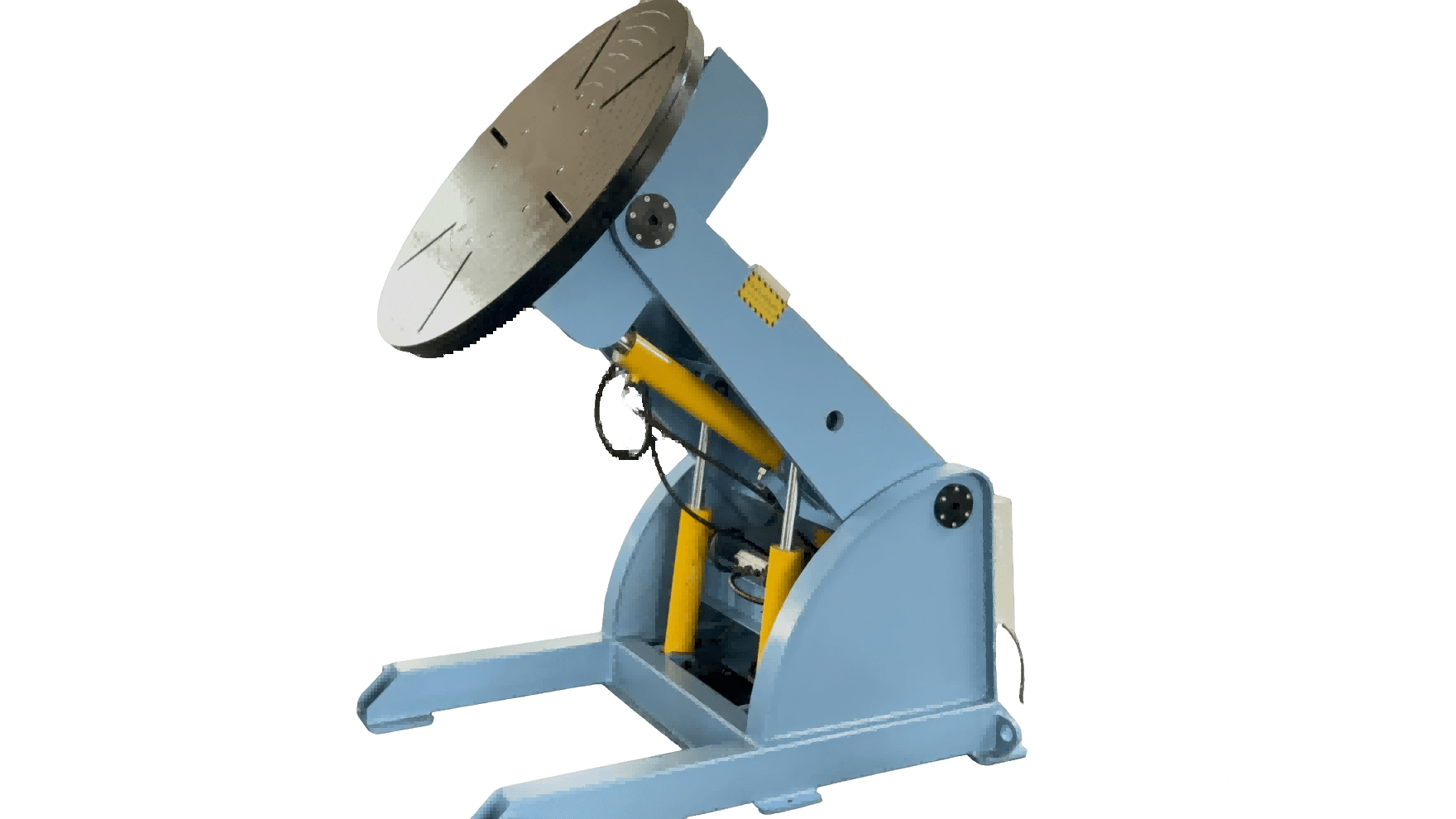
Welding positioners are machines designed to manipulate a workpiece, allowing welders to access all weld joints in the most favorable position, typically flat or horizontal. These devices are critical for achieving optimal weld geometry and reducing manual handling, directly impacting the final integrity of welded components. A welding positioner often includes a rotating table and a tilting mechanism, providing two axes of motion. A rotary positioner allows continuous rotation, which is particularly useful for circumferential welds on pipes. Workpiece manipulation through these systems ensures that the molten weld pool remains stable, leading to a smoother bead profile and deeper penetration. This greatly reduces the need for rework and improves overall productivity.
Why Precision Clamping Determines Weld Quality
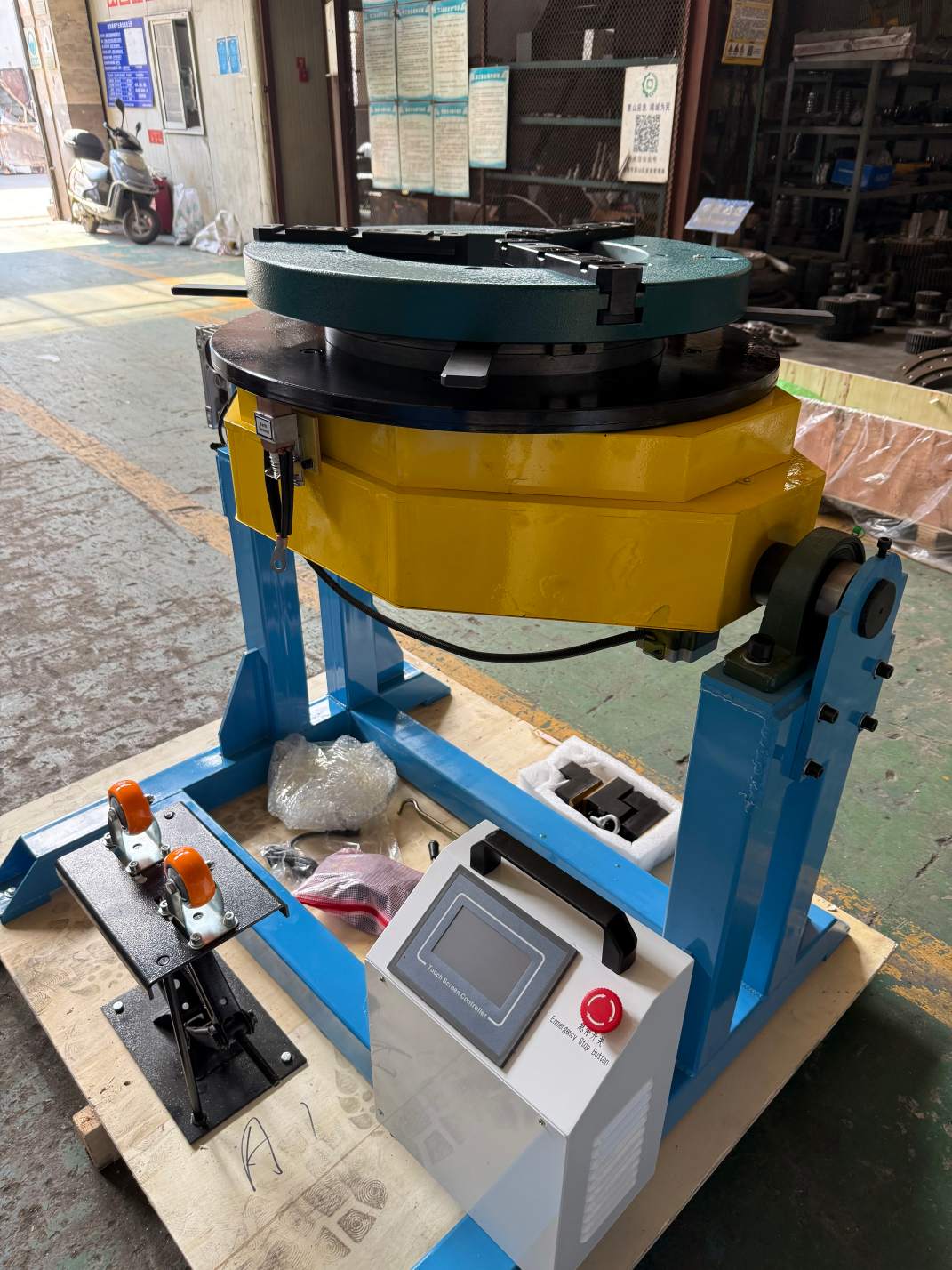
Consistent clamping pressure and accurate workpiece alignment are paramount for minimizing distortion and ensuring repeatable weld quality across production batches. Precision clamping mechanisms hold cylindrical workpieces securely, preventing movement during the welding process. This stability is vital for maintaining the correct torch-to-work distance and angle, which are critical parameters for weld quality. Without precise clamping, even minor shifts can lead to uneven welds, porosity, or lack of fusion, requiring costly repairs.
I recall a project where inconsistent clamping on large diameter pipes led to significant ovality after welding. Implementing self-centering chucks on our welding turntables reduced the ovality by 70%, drastically cutting down post-weld machining time. This experience reinforced my belief that initial precision pays dividends throughout the entire fabrication process.
| Benefit Category | Description | Impact on Welding |
|---|---|---|
| Weld Quality | Ensures consistent joint access and stability. | Reduces defects, improves penetration. |
| Productivity | Minimizes setup time and rework. | Increases throughput, lowers costs. |
| Operator Safety | Reduces manual handling and awkward positions. | Prevents injuries, decreases fatigue. |
| Material Integrity | Prevents distortion and material stress. | Maintains component specifications. |
Which Chuck Type Fits Your Pipe and Shaft Geometry
The selection of the appropriate chuck type is fundamental to securely holding diverse pipe and shaft geometries, preventing slippage and ensuring concentricity during rotation. Welding chucks are specialized clamping devices mounted on welding positioners, and they come in various designs suited for specific applications.
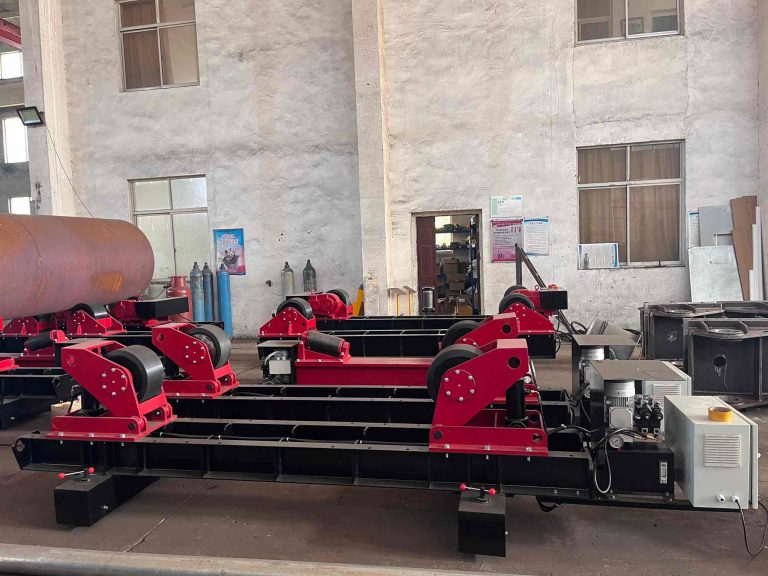
Self-centering chucks are widely used for pipe welding because they automatically center the workpiece, ensuring concentric rotation and simplifying setup. Three-jaw and four-jaw chucks are common configurations. Three-jaw chucks are often preferred for round pipes and shafts due to their quick setup and strong grip, while four-jaw chucks offer more flexibility for square or irregular shapes, though they require more manual adjustment for centering. For very large or heavy shafts, specialized shaft support systems might be integrated, providing additional stability beyond the chuck itself. The right chuck ensures the workpiece remains stable and accurately positioned throughout the entire welding cycle.
What Advanced Positioner Features Add to Your Process
Integrating features like variable speed control and remote operation significantly enhances operator control, reduces fatigue, and allows for precise adjustment during the welding process.
Variable speed control on a welding positioner allows the operator to fine-tune the rotation speed of the workpiece to match the welding parameters, such as wire feed speed and travel speed. This synchronization is crucial for achieving consistent bead width and penetration, especially in automated welding setups. Remote control operation further improves operator safety and ergonomics by allowing adjustments from a safe distance, away from arc flash and fumes. This also provides greater flexibility, enabling the operator to observe the weld pool from the optimal vantage point without physically moving the control panel. If your current setup requires frequent manual repositioning during long welds, it may be worth evaluating whether remote control capability would reduce cycle time and operator strain.
How to Match a Positioner to Your Production Requirements
Matching payload capacity, rotation speed, and chuck compatibility to specific project requirements is essential for maximizing investment return and operational effectiveness.
When selecting a welding chuck positioner, consider the maximum weight and dimensions of the workpieces you will be handling. Payload capacity is a primary factor, determining whether you need a light-duty positioner for smaller components or a heavy-duty positioner for large industrial pipes. The required rotation speed range is also important; some applications demand very slow, precise rotation, while others benefit from faster indexing. Finally, ensure the positioner is compatible with the chucks necessary for your specific pipe diameter range or shaft configurations. Evaluating these factors carefully ensures the chosen equipment supports your production goals efficiently.
Frequently Asked Questions
What are the benefits of using a welding chuck positioner?
Welding chuck positioners significantly improve weld quality by providing stable, precise workpiece manipulation. They enhance operator safety and reduce fatigue by minimizing manual handling. This leads to increased productivity, lower rework rates, and more consistent welds across all projects.
How does a welding positioner improve weld quality?
A welding positioner improves weld quality by allowing welders to maintain an optimal torch angle and travel speed. It ensures consistent joint access, prevents workpiece movement, and stabilizes the molten weld pool. This results in uniform bead profiles, deeper penetration, and fewer defects.
Why is precision clamping crucial in pipe welding?
Precision clamping is crucial in pipe welding to prevent distortion and ensure accurate alignment. It maintains the workpiece’s concentricity during rotation, which is vital for consistent circumferential welds. Without it, pipes can become oval or misaligned, leading to costly rework and compromised structural integrity. To discuss clamping solutions for your specific pipe diameters and wall thicknesses, contact us at [email protected] or +86 13616174307.
Welding Rotator vs Manual Pipe Welding: Productivity & Cost Efficiency