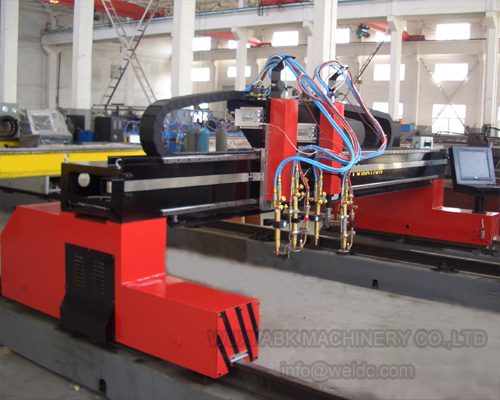
Is a Welder’s Job Dangerous? Real Risks & Safety Controls
Table of Contents
- How Dangerous Is Welding Compared with Other Trades?
- The Hazards That Cause the Most Welding Injuries
- Welding Fume and Gases
- Arc Radiation and Eye Damage
- Electric Shock
- Burns, Fires, and Explosions
- Ergonomic Strain
- Where Welding Injuries Actually Occur
- The Controls That Reduce Welding Danger
- Engineering Controls
- Administrative Controls
- Personal Protective Equipment
- Automation, Positioners, and Engineering Controls at the Source
- An Honest Risk Verdict for Welding Professionals
- Get Engineering Support for Safer Welding Workflows
- Frequently Asked Questions
- Is welding one of the most dangerous jobs?
- What is the most dangerous welding hazard?
- Is welding safe if I wear a welding helmet and gloves?
- Does welding automation eliminate the danger?
- What should a welder do after breathing welding fume or getting arc eye?
- References
Welding has a reputation as dangerous work, and that reputation is not unfair. The U.S. Bureau of Labor Statistics tracks welders, cutters, solderers, and brazers as an occupation with elevated exposure to burns, eye injuries, and respiratory hazards [1]. The International Agency for Research on Cancer classifies welding fumes as carcinogenic to humans [2]. But the more practical answer to “is a welder’s job dangerous?” is that the hazards are real, well documented, and largely controllable through ventilation, work positioning, PPE, training, and automation.
How Dangerous Is Welding Compared with Other Trades?
Welding sits in a higher-risk band of skilled production work. The hazards are not theoretical: molten metal, high-voltage circuits, compressed gases, concentrated ultraviolet radiation, and airborne metal fumes are all present in a typical welding cell. BLS data consistently show that welders and related metal workers experience more nonfatal injuries than the average for all production occupations [1]. The fatality risk is lower than logging or roofing, but acute burns and chronic lung damage are occupational realities.
OSHA regulates welding, cutting, and brazing under 29 CFR 1910.252 specifically because welding combines multiple hazards at once [3]. A welder can be exposed to fume inhalation, arc flash, fire risk, and electric shock in a single operation. That combination is why safety management in welding is not optional and why engineering controls matter more than personal tolerance for discomfort.
The Hazards That Cause the Most Welding Injuries
Welding Fume and Gases
Welding fume is the most serious long-term hazard. Stainless steel welding can generate hexavalent chromium, a known carcinogen. Carbon steel fume contains iron, manganese, and other metal oxides. Galvanized steel produces zinc oxide, which can cause metal fume fever. IARC has classified welding fumes as carcinogenic to humans, with the strongest evidence for lung cancer [2]. NIOSH has linked manganese exposure from welding fume to neurological effects [4].
Arc Radiation and Eye Damage
Without proper eye protection, the welding arc emits ultraviolet and infrared radiation that can burn the cornea. Arc eye, or welder’s flash, is painful and common when workers remove the helmet too early or rely on tinted safety glasses instead of a proper welding lens. Repeated exposure also increases the risk of cataracts and skin damage.
Electric Shock
Electric shock is a leading cause of sudden death in welding. Primary voltage shock from touching internal components of a welding machine can be fatal. Secondary shock from the electrode circuit is less likely to kill but can still cause loss of muscle control, falls, or secondary injury. Damp clothing, sweat, and confined spaces all raise the risk.
Burns, Fires, and Explosions
Sparks, slag, and hot filler metal can ignite clothing, wood, paper, and flammable vapors. Burns are the most common acute welding injury. Fire watchers and hot work permits are required in many facilities because welding sparks can smolder for hours before igniting.
Ergonomic Strain
A less dramatic but very real danger is cumulative physical strain. Welders often work in awkward postures, kneeling, reaching overhead, or twisting inside vessels. Prolonged strain contributes to shoulder, neck, back, and knee disorders. Poor work positioning also makes every other hazard worse because an unstable weld position forces the operator to hold close to the arc and to accept restricted escape routes.
Where Welding Injuries Actually Occur
ANSI Z49.1, the primary U.S. safety standard for welding, cutting, and allied processes, describes the safety responsibilities shared by management and welders [5]. The standard treats welding not as a single risk but as a work system in which environment, access, clothing, ventilation, and supervision all determine the outcome.
In field work, welding risk rises sharply. Confined spaces are especially dangerous because fumes accumulate and oxygen can be displaced. In tanks, vessels, and pipelines, welders face the added risks of poor ventilation, awkward access, and difficult rescue. Working at height on structural frames adds fall risk. In shop environments, repeated production welding creates longer fume exposure while reducing physical variation. The danger point is usually not the weld itself; it is the environment around the welder.
The Controls That Reduce Welding Danger
The most effective way to reduce welding danger is to remove the worker from the hazard, not to place more PPE on the worker.
Engineering Controls
Local exhaust ventilation, fume extraction torches, downdraft tables, and filtered air curtains capture fume where it is generated. ISO 21904-1:2020 sets general requirements for capture and separation equipment used in welding fume control [6]. Barriers and welding curtains protect nearby workers from arc flash. Lockout/tagout procedures and proper cable insulation reduce electric shock risk.
Administrative Controls
Training, hot work permits, fire watches, exposure monitoring, and medical surveillance are administrative controls. Workers should know the material being welded, the appropriate shielding gas, and the warning properties of the fume. A welder who cannot identify stainless steel versus galvanized steel cannot correctly judge the respiratory hazard.
Personal Protective Equipment
PPE is the last line of defense, not the first. A welding helmet with the correct shade, a fitted respirator where ventilation is insufficient, flame-resistant clothing, insulated gloves, and hearing protection are all required in most professional settings. But if management only issues PPE and ignores fume extraction, the long-term risk remains.
Automation, Positioners, and Engineering Controls at the Source
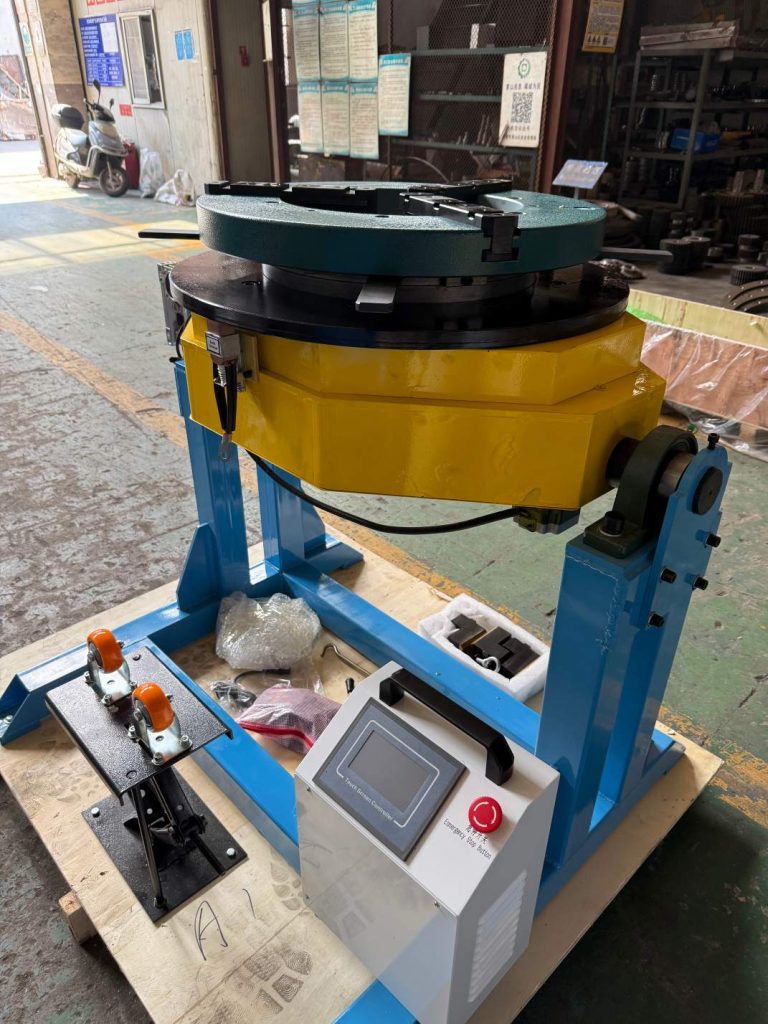
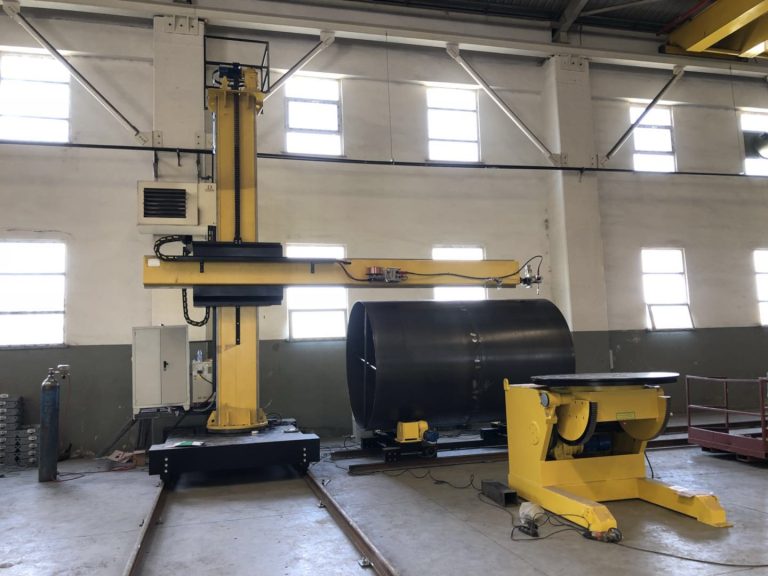
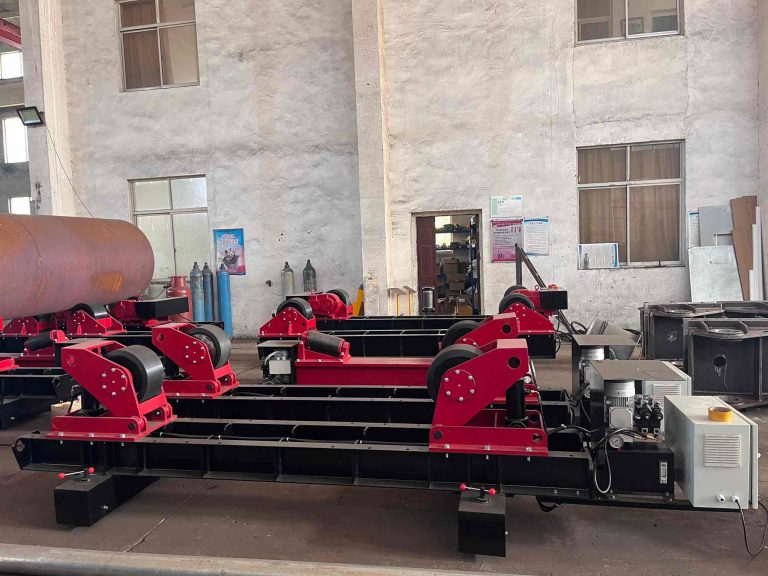
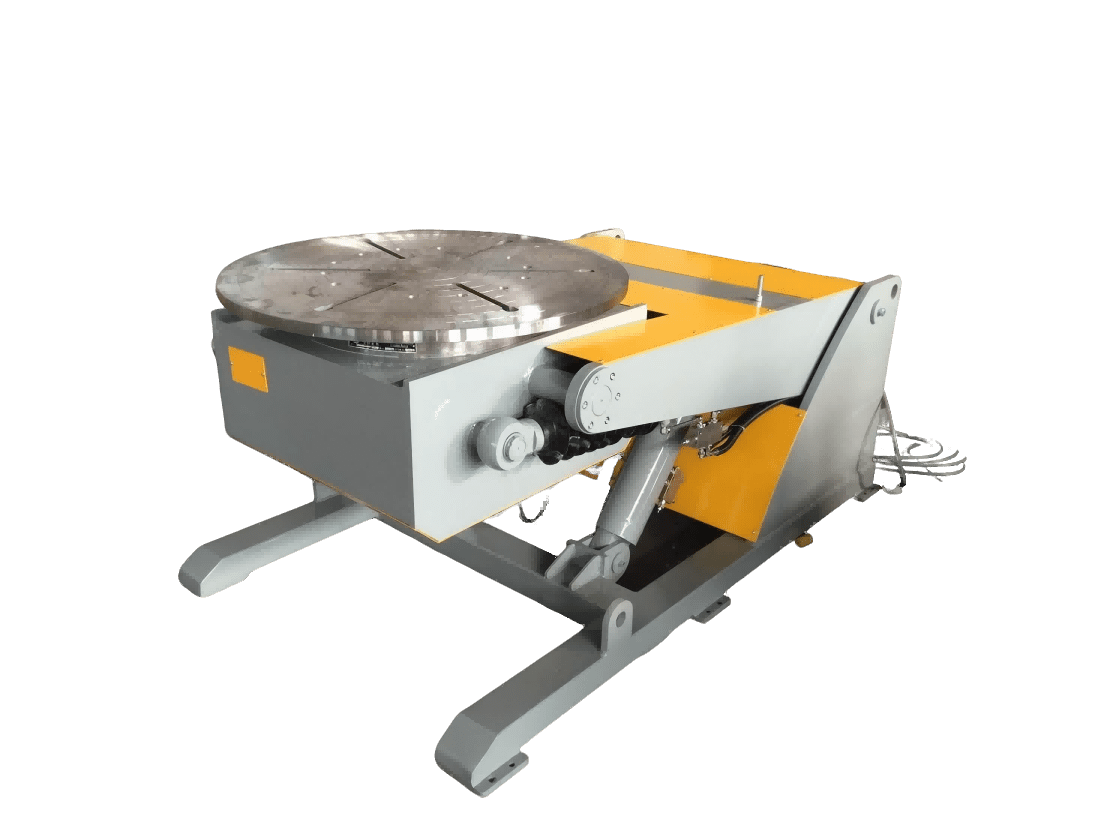
One of the most effective ways to make welding less dangerous is to remove the operator from the worst positions. Welding positioners, turning rolls, and rotators hold and rotate the workpiece so the welder can work in a stable, flat position instead of reaching into a vessel or welding overhead. Stable positioning reduces awkward posture, improves arc control, and gives the operator a safer route of escape.
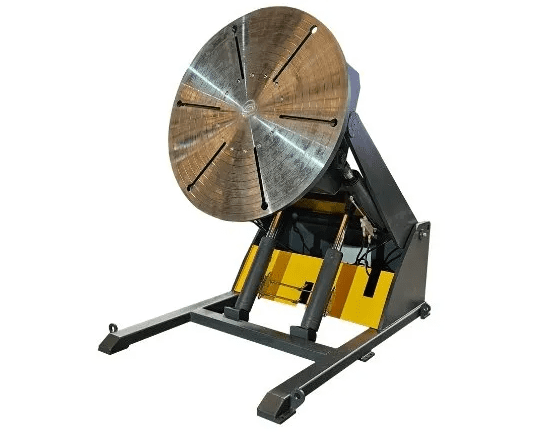
Stable fit-up reduces awkward torch angles and sudden workpiece movement. <Fit-Up Rotator for Accurate Vessel Alignment & Stable Welding> covers how controlled alignment supports safer, more predictable welds.
Automated welding cells and manipulators go further by moving the operator behind barriers or into an operator station. The arc, fume, and sparks stay on the machine side. Tube-to-tube welding machines, for example, automate repetitive boiler header joints that would otherwise force a welder into tight, fume-heavy work areas.
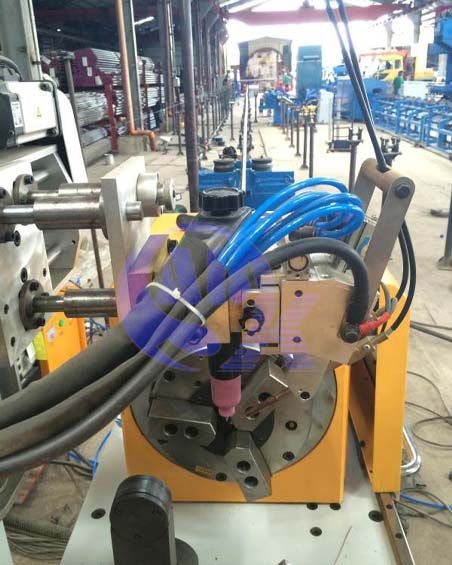
Better positioning removes many of the postures that make manual welding exhausting and injury-prone. <Fixed vs Adjustable Welding Positioners: How to Choose the Right Tool> covers how the right workholding changes the operator’s exposure to repetitive strain and awkward access.
Cold cutting and edge preparation also influence safety. Water jet cutting, for example, does not create welding fume and can eliminate several pre-weld grinding and thermal operations that produce dust, noise, and heat. That matters when preparing plates or vessels before automatic welding.
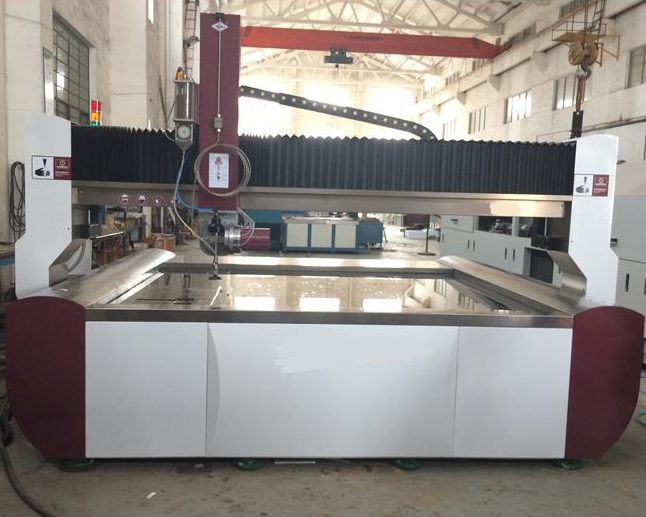
Automated weld cells often move workers away from fume, arc burn, and heavy-load injuries. <Evaluate ROI of Welding Automation Business Investment> covers how to build the financial case for that kind of safety-critical automation.
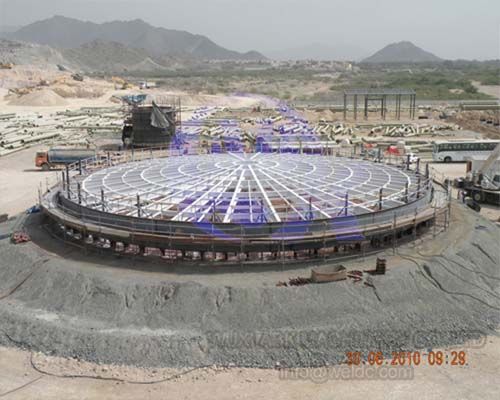
Hydraulic jacking systems and large vessel fit-up equipment also reduce manual heavy lifting and uncontrolled movement. In tank construction, forcing workers to manually align and rotate a shell course is both slow and dangerous. Controlled jacking and rotator systems keep the workpiece moving in a predictable path.
An Honest Risk Verdict for Welding Professionals
A welding career is not automatically a dangerous career. A welder in a modern, well-ventilated shop with good positioning equipment, enforced PPE, and reliable extraction faces far less risk than a field welder in a confined vessel with no ventilation. The difference is not talent; it is controls.
The wrong way to judge welding safety is by how tough a worker feels. Burns, eye pain, shortness of breath, and chronic sinus irritation are not normal parts of the job. They are signs that the work system has failed. Employers should use welding fume extraction, monitor exposure, maintain equipment, and reduce awkward work through positioners and automation. Workers should report symptoms early and refuse to accept uncontrolled confined-space welding as routine [5].
Get Engineering Support for Safer Welding Workflows
At WUXI ABK MACHINERY CO., LTD, we help fabrication teams reduce manual exposure through welding positioners, turning rolls, fit-up rotators, tube-to-tube welding machines, and automated welding systems. The goal is not only higher weld quality and output, but also removing the operator from the most dangerous positions in the weld cell.
If you are reviewing a current or planned welding setup, send Jan your project details at [email protected] or call +86 13616174307. A practical inquiry should include:
- Workpiece type and dimensions
- Material grade and plate or pipe thickness
- Current welding process and position
- Main safety or productivity concern
- Required production volume
Frequently Asked Questions
Is welding one of the most dangerous jobs?
Welding has significantly higher exposure to burns, eye injuries, and respiratory hazards than the average production job, but it is not the highest-injury occupation overall. The actual risk depends on process, material, workspace, ventilation, and controls.
What is the most dangerous welding hazard?
For acute injury, electric shock and burns are the leading dangers. For long-term health, welding fume is the most serious hazard, particularly when welding stainless steel or galvanized materials in confined spaces without extraction [2][4].
Is welding safe if I wear a welding helmet and gloves?
No. A helmet and gloves only protect the eyes, face, and hands. They do not remove fume from the breathing zone, prevent electric shock, eliminate fire risk, or correct an unstable work position. PPE is the final layer of protection, not a substitute for ventilation and safe work practices.
Does welding automation eliminate the danger?
It moves the operator away from the arc, fume, and immediate spark exposure, which is a major safety gain. However, automation introduces robot movement zones, high-power circuits, pinch points, and new maintenance procedures. These require interlocking, guarding, and lockout/tagout.
What should a welder do after breathing welding fume or getting arc eye?
Stop the exposure, report the incident, and seek medical evaluation. Arc eye should be assessed by a medical professional, and fume symptoms should be documented so exposure controls can be reviewed.
References
[1] U.S. Bureau of Labor Statistics, “Welders, Cutters, Solderers, and Brazers,” Occupational Outlook Handbook, U.S. Department of Labor.
[2] International Agency for Research on Cancer, “Welding fumes are carcinogenic to humans,” IARC Monographs on the Evaluation of Carcinogenic Risks to Humans, vol. 118, 2017.
[3] Occupational Safety and Health Administration, “Welding, Cutting, and Brazing,” 29 CFR 1910.252, U.S. Department of Labor.
[4] National Institute for Occupational Safety and Health, “Welding and Manganese: Potential Neurologic Effects,” DHHS (NIOSH) Publication No. 2009-132.
[5] American National Standards Institute, “Safety in Welding, Cutting, and Allied Processes,” ANSI Z49.1:2021.
[6] International Organization for Standardization, “Health and safety in welding and allied processes — Equipment for capture and separation of welding fume — Part 1: General requirements,” ISO 21904-1:2020.
If you’re interested, check out these related articles:
Column and Boom Manipulators for Large Vessel Precision Weldin
Evaluate ROI of Welding Automation Business Investment