Fixed vs Adjustable Welding Positioners: How to Choose the Right Tool
Table of Contents
- What Makes Fixed Height Welding Positioners Worth Considering
- Why Adjustable Height Welding Positioners Improve Operator Conditions
- How Performance and Cost Compare Between Welding Positioner Types
- What are the primary safety advantages of using an adjustable height welding positioner?
- Which Welding Positioner Type Fits Your Production Requirements
- How does the payload capacity differ between fixed and adjustable welding positioners?
- Where Welding Positioner Technology Is Heading
- Making the Right Choice for Your Welding Operation
- Frequently Asked Questions About Welding Positioners
- When is a fixed height welding positioner more cost-effective than an adjustable one?
- Can a single welding positioner accommodate both heavy and light duty welding projects?
- What certifications should I look for when purchasing industrial welding positioners?
Selecting the correct welding positioner is a critical decision for any fabrication operation aiming for optimal quality and efficiency. Workpiece manipulation directly impacts weld consistency, operator safety, and overall production throughput. With over 20 years of experience in industrial welding equipment, we understand the foundational importance of matching the right tool to the task. This guide will help you navigate the differences between fixed and adjustable welding positioner types.
What Makes Fixed Height Welding Positioners Worth Considering
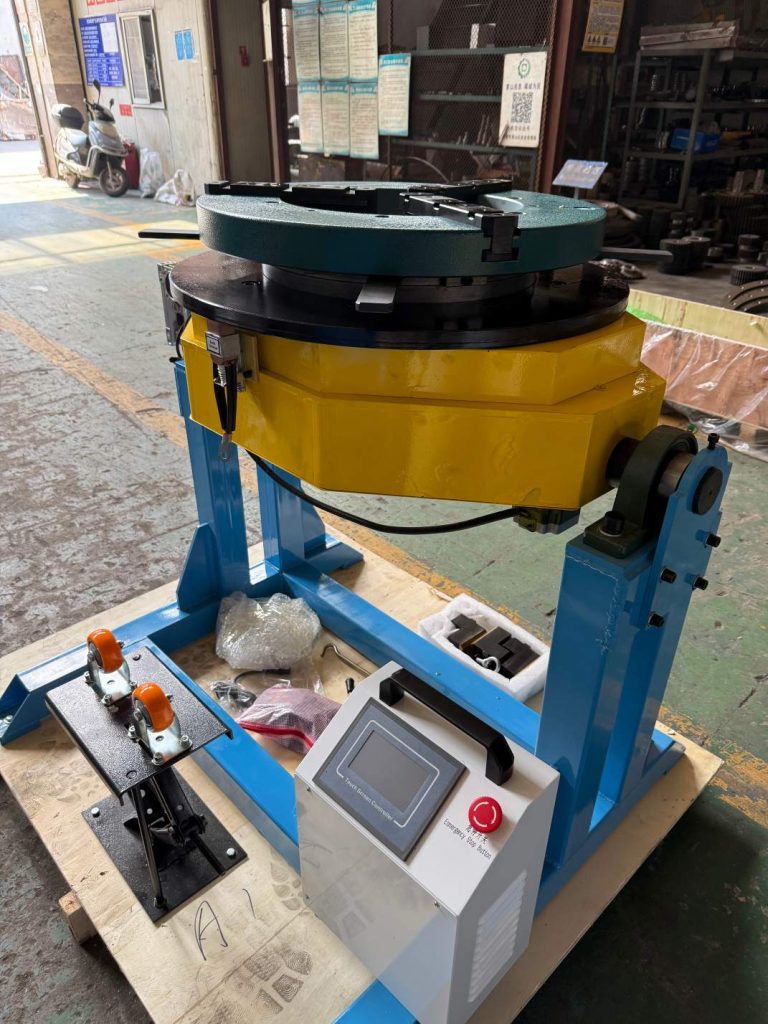
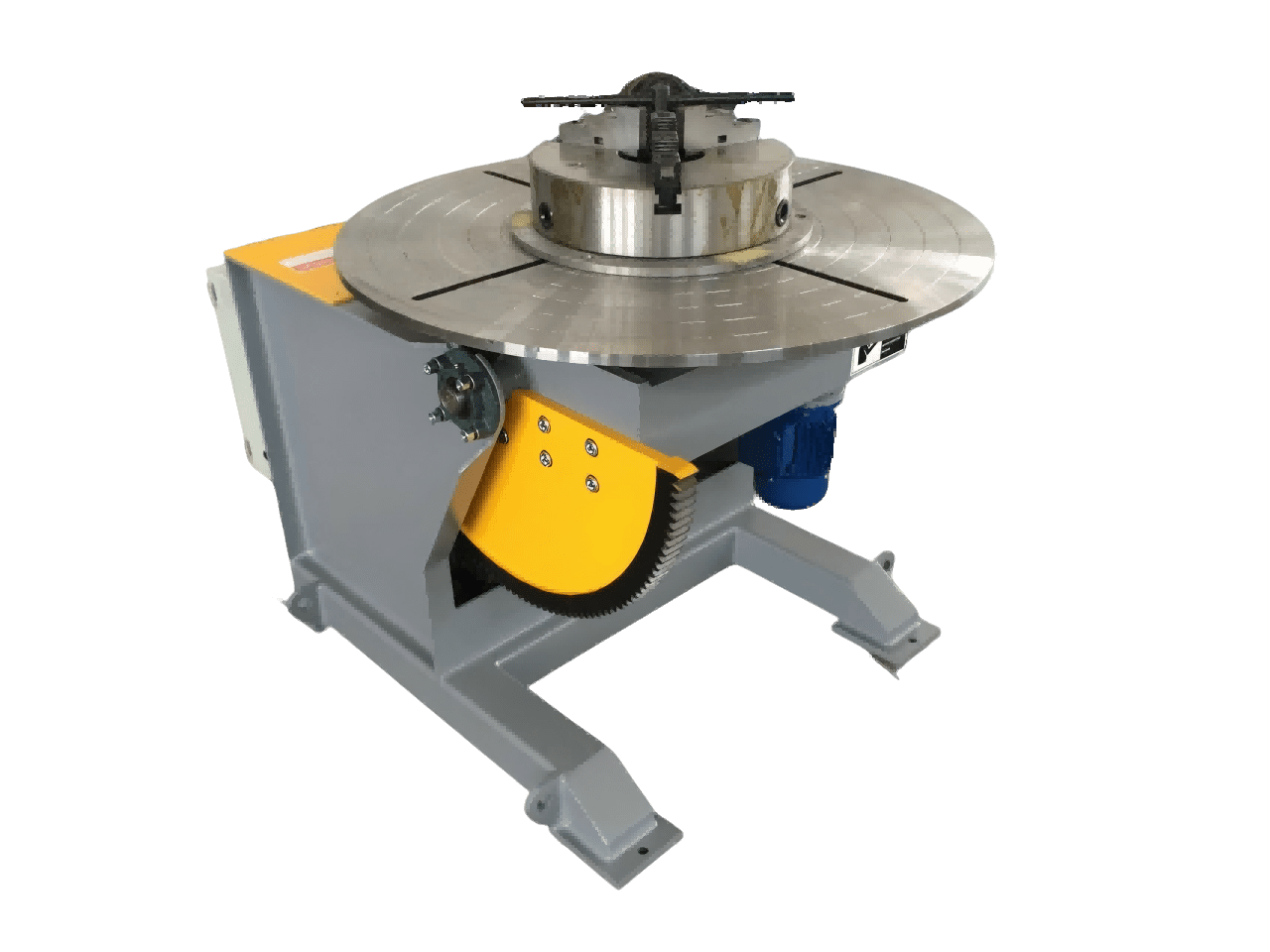
Fixed height welding positioners are industrial welding equipment designed to hold workpieces at a constant elevation while allowing rotation and tilt. These machines are characterized by their robust construction and unchanging working height, which provides exceptional stability for heavy duty welding and repetitive tasks. Their design often incorporates a heavy base and a sturdy turntable, making them ideal for environments where consistency and high payload capacity are paramount. We frequently recommend fixed positioners for dedicated production lines where the dimensions of components remain largely uniform.
The benefits of fixed welding positioners include their inherent stability, which minimizes vibration and deflection during welding, contributing to higher weld quality. Their simpler mechanical design also often translates to lower maintenance requirements and a longer operational lifespan. For applications involving large, heavy components or continuous, high-volume production runs, the reliability and consistent performance of a fixed positioner are significant advantages. For example, our 1 Ton Fixed Height Positioner is engineered for precise, stable rotation of workpieces up to 1000 kg, ensuring consistent weld quality in repetitive fabrication processes.
| Application Type | Ideal for Fixed Positioners |
|---|---|
| Heavy Fabrication | Large, heavy components |
| Repetitive Tasks | Consistent workpiece dimensions |
| Automated Welding | Stable platform for robotics |
| Pipe Welding | Long, uniform pipe sections |
| Structural Welding | Beams, columns, large frames |
Why Adjustable Height Welding Positioners Improve Operator Conditions
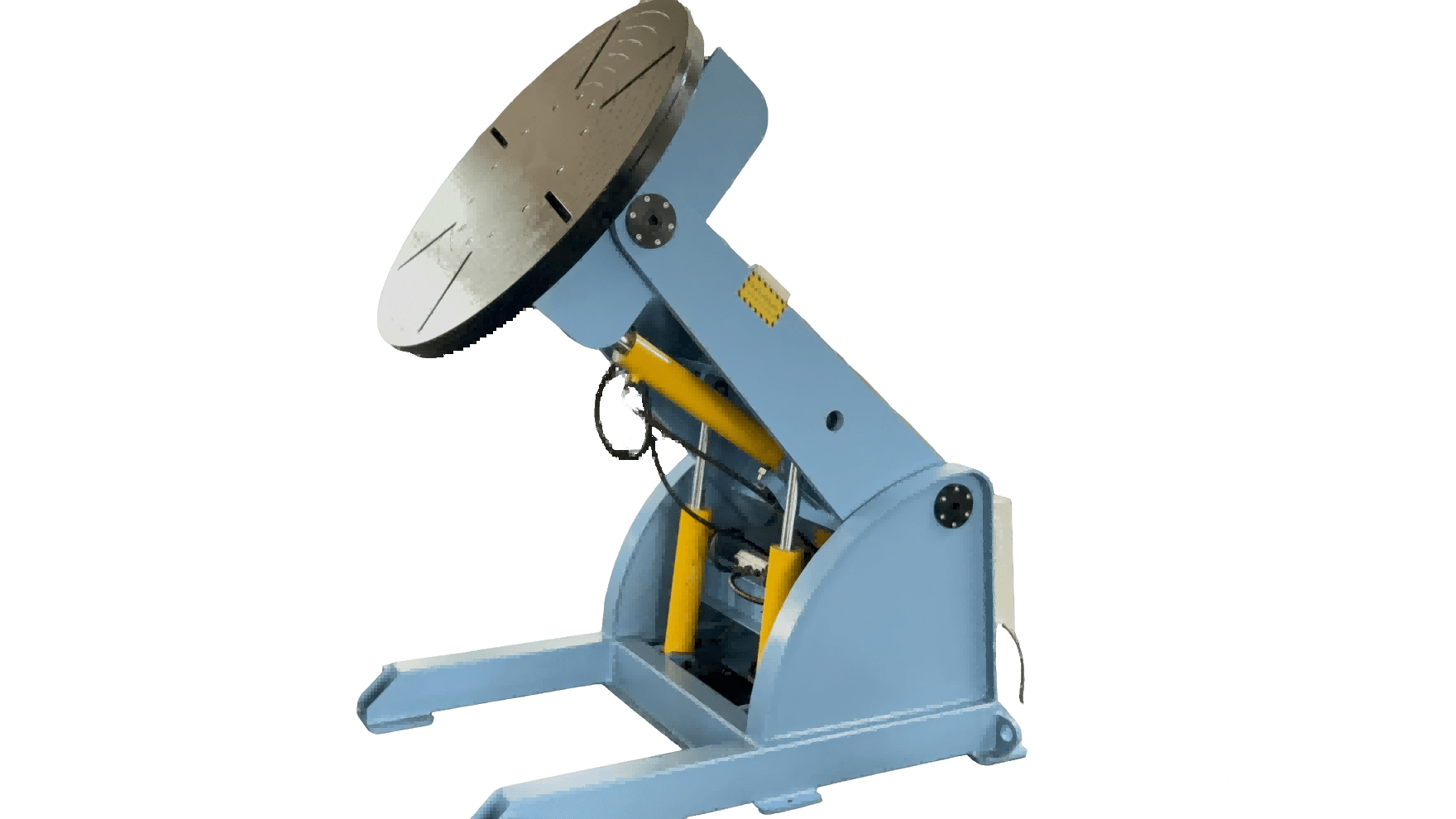
Adjustable height welding positioners offer the flexibility to change the working height of the workpiece, alongside rotation and tilt capabilities. This adjustability is achieved through hydraulic or electric lifting mechanisms, allowing operators to position components at the most ergonomic height for welding. Ergonomics in welding refers to designing the workstation to minimize operator strain and fatigue, thereby improving safety and productivity. This versatility makes them suitable for custom welding solutions and a wide range of projects where workpiece dimensions or access requirements vary significantly.
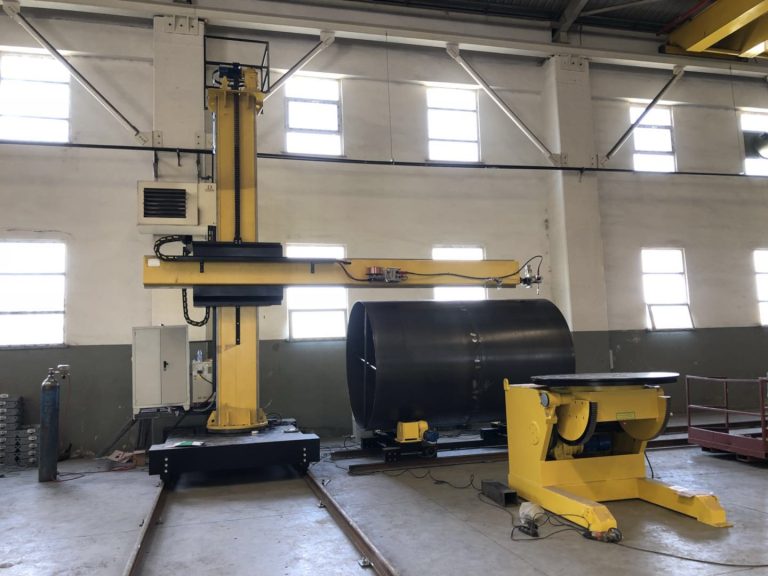
The primary advantages of adjustable welding positioners include improved operator comfort and welding safety. By allowing the operator to work at an optimal height, these positioners reduce the need for awkward postures, bending, or stretching, which can lead to musculoskeletal injuries. This enhances overall operator comfort and reduces fatigue, leading to higher quality welds and increased welding productivity over longer shifts. The ability to quickly adapt to different workpiece sizes and shapes also makes them highly efficient for job shops handling diverse fabrication processes. For example, our 1 Ton 3 Axis Positioner provides not only rotation and tilt but also height adjustment, making it exceptionally adaptable for complex assemblies that require multiple access points.
| Feature | Fixed Positioner | Adjustable Positioner |
|---|---|---|
| Height | Static | Variable |
| Setup | Faster for repeat tasks | Slower for initial setup |
| Cost | Lower initial | Higher initial |
| Footprint | Smaller | Larger (due to lift mechanism) |
| Adaptability | Low | High |
How Performance and Cost Compare Between Welding Positioner Types
The choice between fixed and adjustable welding positioners significantly impacts performance, cost, and overall operational efficiency. Fixed positioners generally represent a lower initial investment and often have simpler controls, contributing to reduced maintenance costs. Their performance excels in scenarios demanding high stability and repeatability, making them a cost-effective solution for specialized, high-volume production. Return on investment for fixed positioners is typically realized quickly in such dedicated applications due to consistent output and minimal downtime.
Adjustable positioners, while requiring a higher initial investment, offer long-term benefits through enhanced versatility and improved operator conditions. Their ability to accommodate a broad spectrum of workpiece sizes and configurations reduces the need for multiple specialized fixtures, optimizing space utilization in the welding shop. The ergonomic advantages translate into fewer operator injuries, reduced absenteeism, and higher morale, indirectly contributing to welding quality and overall productivity. These factors collectively influence the return on investment, often justifying the higher upfront cost through increased operational flexibility and worker welfare.
What are the primary safety advantages of using an adjustable height welding positioner?
Adjustable height welding positioners significantly improve welding safety by allowing operators to position the workpiece at an optimal working height. This reduces physical strain, awkward postures, and the risk of musculoskeletal injuries associated with repetitive bending or reaching. Enhanced visibility of the weld joint also contributes to safer operations, minimizing errors and potential hazards. These ergonomic benefits are crucial for maintaining a healthy and productive workforce.
Which Welding Positioner Type Fits Your Production Requirements
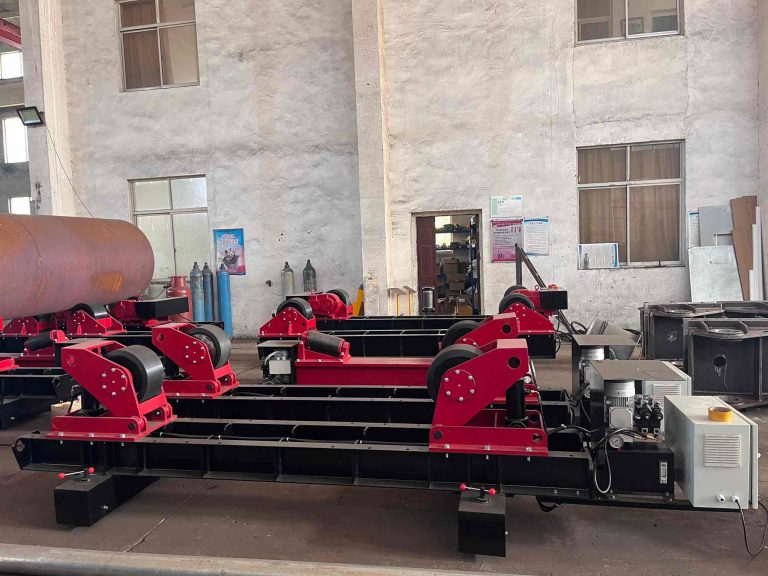
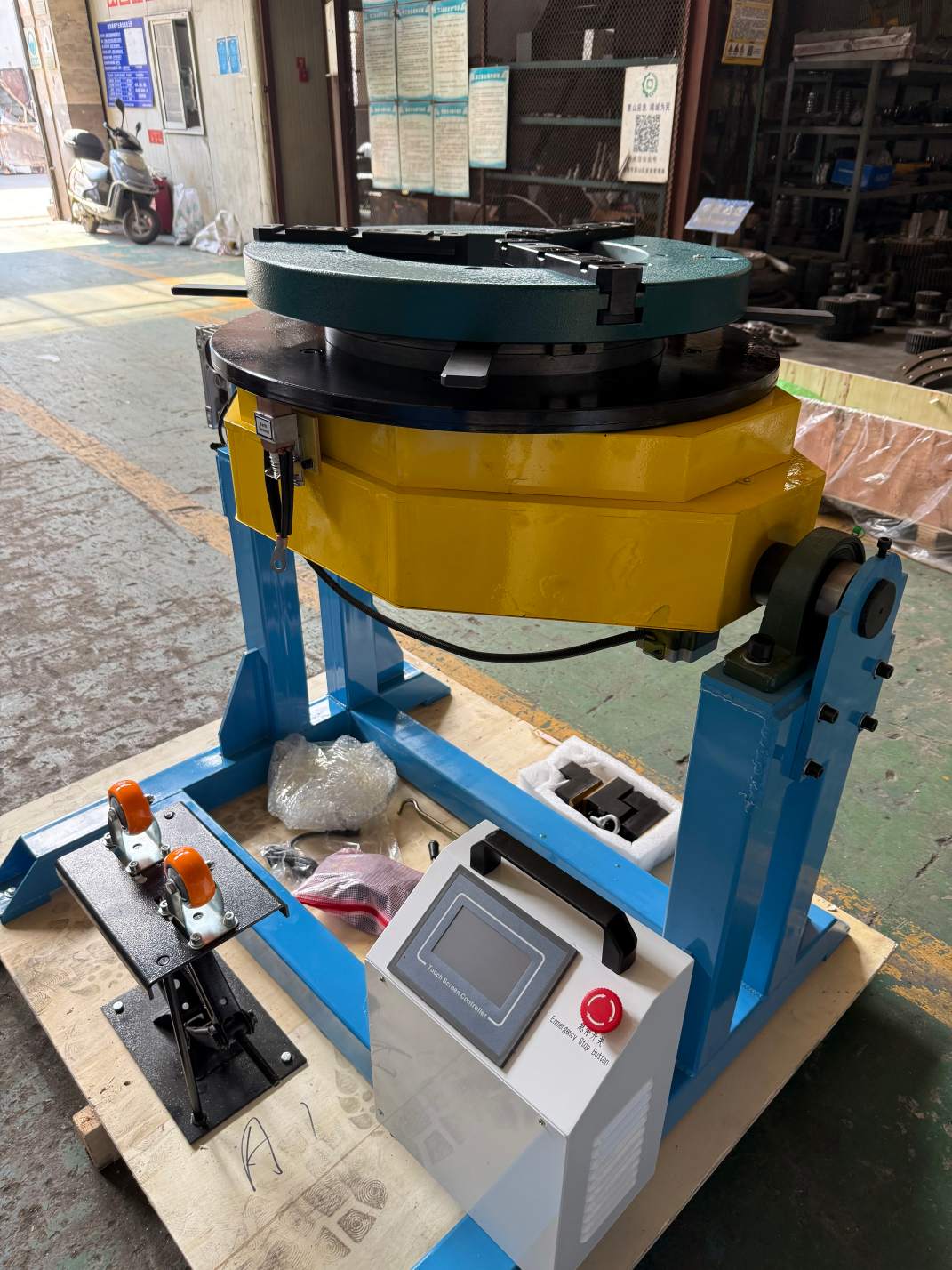
Strategic selection of welding positioner types is crucial for optimizing welding shop operations and achieving specific fabrication goals. When evaluating industrial machinery selection, consider the typical range of workpiece sizes, weights, and geometries your facility handles. For specialized, repetitive tasks with consistent parameters, a fixed positioner often provides the most efficient and stable platform. In pipeline welding, for instance, a fixed positioner designed for specific pipe diameters ensures consistent rotation and optimal weld access.
Conversely, if your projects involve diverse workpiece dimensions, intricate assemblies, or frequent changes in welding position, an adjustable positioner offers the necessary flexibility. This adaptability is particularly beneficial for custom fabrication shops or facilities producing a wide variety of components. If your operation handles both standardized production runs and occasional custom work, discussing your specific volume breakdown and space constraints with a technical advisor can clarify which configuration delivers the best long-term value. We act as a one-stop partner, offering tailored solutions that consider your specific production volume, space constraints, and budget to ensure the chosen equipment maximizes your precision welding capabilities.
How does the payload capacity differ between fixed and adjustable welding positioners?
Payload capacity generally refers to the maximum weight a welding positioner can safely support and manipulate. Fixed positioners often boast higher payload capacities due to their rigid, non-adjustable structure, making them suitable for heavy fabrication equipment. Adjustable positioners, while versatile, may have slightly lower maximum payload capacities compared to fixed counterparts of similar size, as their lifting mechanisms introduce additional structural considerations. It is essential to match the positioner’s rated capacity to your heaviest anticipated workpiece for safety and optimal performance.
Where Welding Positioner Technology Is Heading
The future of welding positioner technology points towards greater automation, precision, and integration with broader manufacturing systems. We anticipate advancements in smart welding solutions, incorporating sensors and feedback systems to dynamically adjust workpiece positioning for optimal weld quality. Robotics in welding will continue to expand, with positioners becoming seamlessly integrated components of robotic welding cells, enhancing both speed and accuracy.
Further innovations will focus on advanced welding technology, including improved motor control for smoother rotation, more precise tilting mechanisms, and enhanced connectivity for remote monitoring and diagnostics. The goal is to create more intelligent, adaptive welding equipment that can respond to complex welding requirements with minimal operator intervention. Our experienced R&D team is continuously exploring these trends, ensuring our welding equipment innovation meets the evolving demands of modern industrial fabrication.
Making the Right Choice for Your Welding Operation
Choosing between fixed and adjustable welding positioners requires a thorough understanding of your specific operational needs and project demands. Fixed positioners excel in stability and cost-effectiveness for repetitive, high-volume tasks, offering reliable performance for standardized industrial welding equipment. Adjustable positioners provide unparalleled versatility and ergonomic advantages, making them ideal for diverse projects and improving operator comfort and safety. We emphasize informed decision-making to optimize your welding processes, ensuring that your investment in workpiece manipulation equipment directly contributes to enhanced productivity and superior weld quality.
To discuss your specific fabrication requirements and explore which welding positioner configuration best fits your operation, contact us at [email protected] or call +86 13616174307.
Frequently Asked Questions About Welding Positioners
When is a fixed height welding positioner more cost-effective than an adjustable one?
Fixed height positioners generally offer a lower initial investment and prove more cost-effective for high-volume, standardized welding tasks where the workpiece dimensions and welding positions remain consistent. Their simpler design also often translates to lower maintenance costs over time, making them ideal for dedicated production lines.
Can a single welding positioner accommodate both heavy and light duty welding projects?
While some adjustable positioners offer a broad payload range, it’s often more efficient to use specialized equipment for extreme variations in workpiece weight. Overloading a light-duty positioner is unsafe, and using a heavy-duty one for very light tasks can be inefficient. Assessing the typical range of your projects is key to selecting the most appropriate welding positioner.
What certifications should I look for when purchasing industrial welding positioners?
For industrial welding positioners, look for certifications such as ISO 9001 for quality management and CE marking for European safety, health, and environmental protection standards. These certifications, like those held by WUXI ABK MACHINERY CO., LTD, ensure the equipment meets stringent international quality and safety benchmarks, assuring reliability and compliance. If you need guidance on certification requirements for your specific market, reach out to our team for clarification.
If you’re interested, you may want to read the following articles:
Welding Rotator vs Manual Pipe Welding: Productivity & Cost Efficiency