SMAW Pipe Welding: Uses, Types and Practical Field Tips

September 19, 2026
SMAW pipe welding remains the default choice for field pipe joints because it handles wind, dirty fit-up, and tight clearances without a shielding gas supply. In the pipeline spool shops and export fabrication projects we work with, the decision that determines whether a weld passes inspection is usually not the power source but the electrode […]
Read More »

FCAW vs MIG Welding: How to Choose the Right Process

September 19, 2026

FCAW vs MIG is a productivity decision as much as a weld quality decision. The two processes differ in shielding method, deposition rate, clean-up burden, and how far from the power source the wire remains stable. In production welding, the right choice depends on material thickness, joint access, base metal condition, and whether the weld […]

Read More »

Welding Automation: Matching Equipment to Shop Needs

September 19, 2026

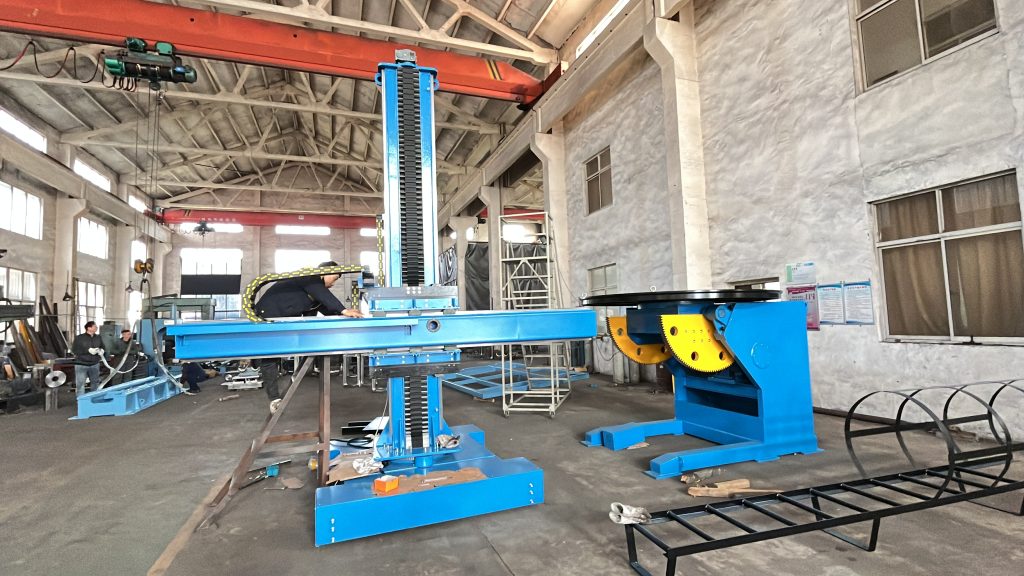
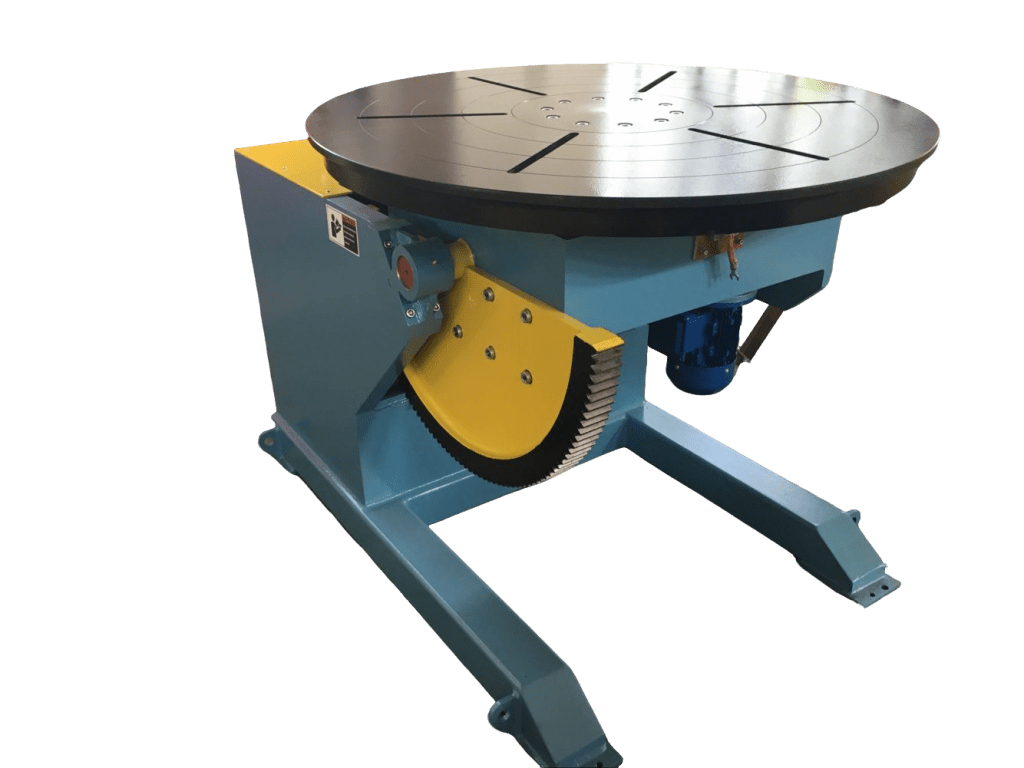
Welding automation fails most often when buyers start with machine features instead of workpiece geometry and real shift output. I am a welding automation engineer, and I see the same mismatch in many shops: a six-axis robot is specified where a rotator and column and boom manipulator would hold tolerances better and cost less to […]

Read More »

Welding Table Selection for Indiana Metalworking Shops

September 19, 2026

Welding table selection looks like a flatness and hole pattern decision until the first heavy weldment shifts during a root pass. In production metalworking, the table is not just a work surface; it is the positioning reference that controls setup time, repeatability, and how well a weld seam stays on center. I have seen Indiana […]

Read More »

Welding History: Key Milestones From Bronze to Automation

September 19, 2026

Welding history runs much deeper than the electric arc most fabricators associate with modern shop work. Bronze Age smiths joined metal by heating and hammering, setting a pattern that still shapes how weld cells, positioners, and manipulators are specified today. I see that pattern in every production line: each advance in welding came from a […]

Read More »

Welding Techniques in Industry: Basics, Benefits and Uses

September 18, 2026

Most welding technique discussions stop at MIG, TIG and stick. In an industrial workshop, that is where the real decisions begin. Welding techniques affect weld quality, operator productivity, and the equipment that surrounds every seam. After twelve years and many automated welding lines, I treat process selection as a production problem, not a classroom comparison. […]

Read More »

Choosing Welding Styles for Pipeline and Plate Fabrication

September 18, 2026

Welding styles on a spec sheet rarely tell the full production story. A shop welding long pipe spools needs a different approach from one joining heavy plate, even when both mark GMAW on the drawings. I have spent twelve years configuring welding and CNC cutting lines, and most process decisions fail not because the arc […]

Read More »

Welding Shipping Containers: Load Paths, Joint Work and Tips

September 18, 2026

Welding shipping containers is less about running long beads and more about keeping the remaining structure stable while you cut into a load-bearing steel box. Corten steel offers good corrosion resistance, but it moves under local heat, and a container’s roof, rails, and corner castings all do more structural work than they appear to. In […]

Read More »

Welding Instruments List for Industrial Welding Shops

September 18, 2026

A welding instruments list becomes more useful when it starts with the workpiece and the required weld position, not with a catalog page. Shops that first define load weight, diameter range, weld length, and inspection limits can select power sources, positioners, manipulators, and measurement devices that actually work together. I have walked through too many […]

Read More »

How to Verify Weld Integrity: A Step-by-Step Testing Guide

September 18, 2026

Weld integrity verification separates joints that carry design load from those that fail during pressure testing, fatigue loading, or service. A weld can look uniform and still lack root fusion or have incomplete penetration at precisely the point the designer assumed full strength. This guide walks through the inspection routes, destructive checks, positioning factors, and […]

Read More »
1 2 3 4 38

Get Our Best Quotation

Contact