Wind Energy Disadvantages: What Buyers Should Verify
Table of Contents
- Why Does Wind Energy Output Fluctuate So Much?
- What Are the Real Cost and Fabrication Barriers in Wind Tower Projects?
- Where Do Wind Turbine Reliability Problems Start?
- Why Fabrication Quality Should Reshape How You Evaluate Wind Energy Risks
- What Questions Do Buyers Ask About Wind Energy Negatives?
- Do wind energy disadvantages cancel out the clean energy benefit?
- Why do wind projects miss their output forecasts?
- Are reliability problems mostly caused by the turbine supplier or the tower fabricator?
- What should buyers check before qualifying a wind tower welding line?
Wind energy carries a clean power reputation, but buyers who skip the downsides can approve a project that looks profitable on paper and loses margin in practice. Wind energy disadvantages center on output uncertainty, high fabrication and transport costs, and maintenance demands that rise after commissioning. In more than twelve years of welding automation and CNC cutting work, I have seen these risks form long before turbines reach a foundation. They do not make wind power a poor option. They make it a project that needs realistic fabrication and reliability planning, not just a favorable wind map.
Why Does Wind Energy Output Fluctuate So Much?
Wind speed controls nearly everything in a wind project, and wind speed does not follow a production calendar. Output changes when the wind rises or drops, and because turbine power follows the cube of wind speed, a small reduction in velocity becomes a sharp cut in generation. A site that averages strong wind can still deliver almost nothing during calm stretches, which forces a project owner to keep backup power or storage available. This lack of dispatchability is one of the wind energy disadvantages that owners feel fastest.
Grid operators also curtail wind output when transmission lines are congested or demand is weak. That energy is not stored automatically; it is simply not sold. Buyers who model revenue only on monthly average wind speed miss this. In factory planning, I have seen owners size on-site backup around the weakest wind month rather than the annual average, because that is when the real operating cost appears.
What Are the Real Cost and Fabrication Barriers in Wind Tower Projects?
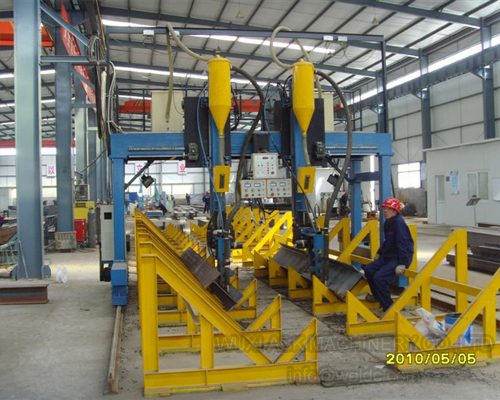
Once a site passes feasibility, the next cost center is steel and welding. Wind towers are not off the shelf parts. They are cylindrical fabrications made from thick plate, joined by long longitudinal and circumferential seams. Each section must be rolled, fit up, welded, and inspected before it leaves a shop. Transportation limits force towers into sections, so every additional section adds more weld length, more handling, and more inspection hours. Buyers who only compare turbine prices often miss this part of the total project cost. Transportation and fabrication limits create wind energy disadvantages that do not show up in a turbine price sheet.
Plate edge preparation also matters. If bevel angles vary or plasma cutting leaves a rough edge, the submerged arc welding process absorbs the problem. The weld may pass visual inspection but carry hidden lack of fusion or undercut. Repair work on a completed tower is far more expensive than correction in the shop. This is why we put as much review into CNC cutting and welding positioner selection as we put into the steel grade itself.
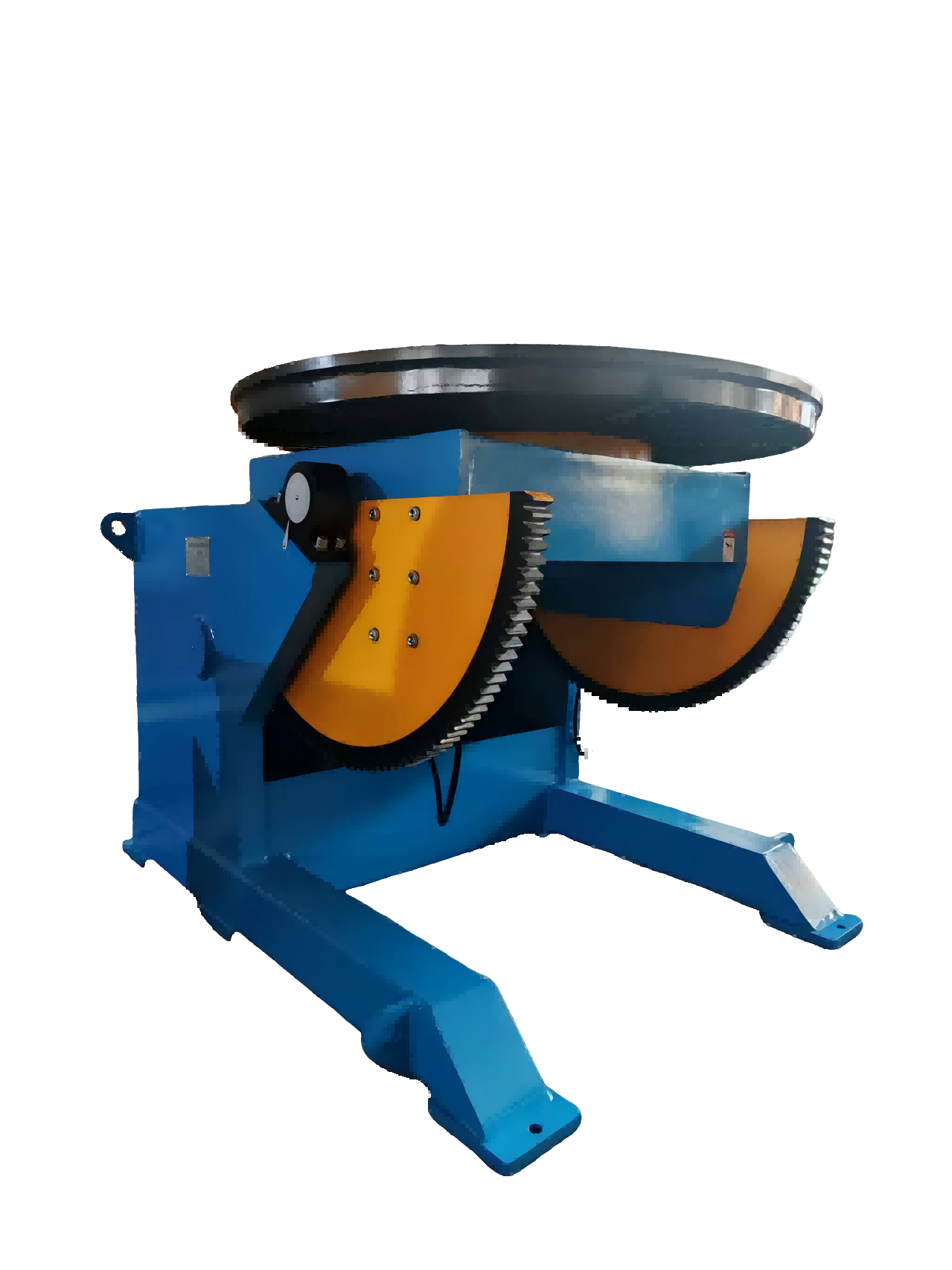
Steel price swings and port handling add still more variability. A project priced in one quarter can look very different by the time sections ship. If your program involves towers over four meters in diameter or multi-section designs, it is worth confirming rotator load distribution, anti-drift control, and shop floor fit-up accuracy before finalizing your production plan. Contact [email protected] with your current section dimensions and monthly output target, and we can confirm which configuration fits your welding procedure.
Where Do Wind Turbine Reliability Problems Start?
The most expensive reliability problems usually begin at manufactured joints, not in the turbine nacelle. Tower shell welds, flange connections, and blade root attachments all see repeated load cycles. A weld with undercut, incomplete penetration, or misalignment concentrates stress and becomes a fatigue crack. Once a crack starts, it grows under normal operation, and repair often means bringing the turbine down.
| Failure area | What goes wrong | Why it matters for owners |
| Tower shell welds | Fatigue cracking from incomplete penetration or undercut | Costly repairs at height; longer outages |
| Flange connections | Bolt loosening, ovality, or poor fit-up | Alignment problems and repeated maintenance |
| Blade leading edge | Erosion in sandy or high-wind sites | Reduced aerodynamic performance |
| Gearbox bearings | Misalignment or lubrication breakdown | Unscheduled downtime and replacement cost |
| Foundation | Settlement or grout cracking | Repairs require full turbine shutdown |
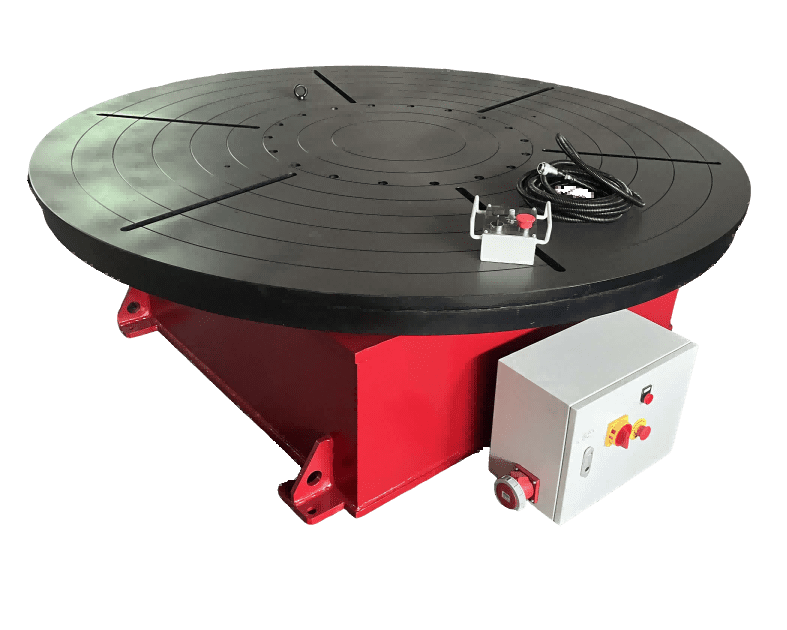
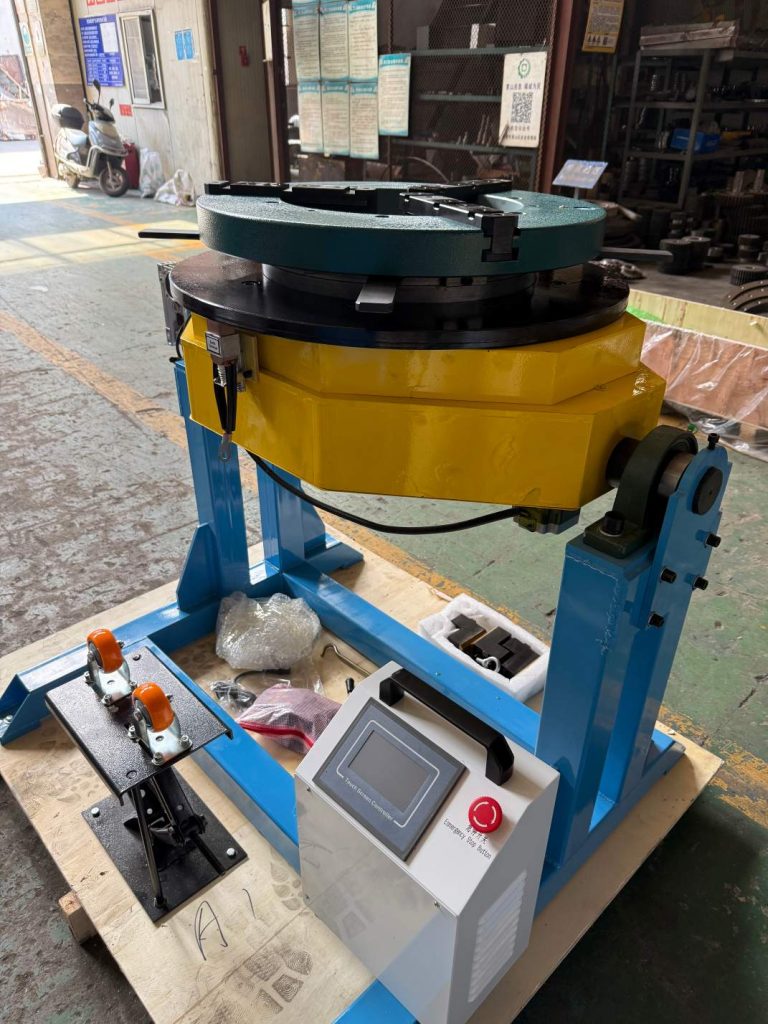
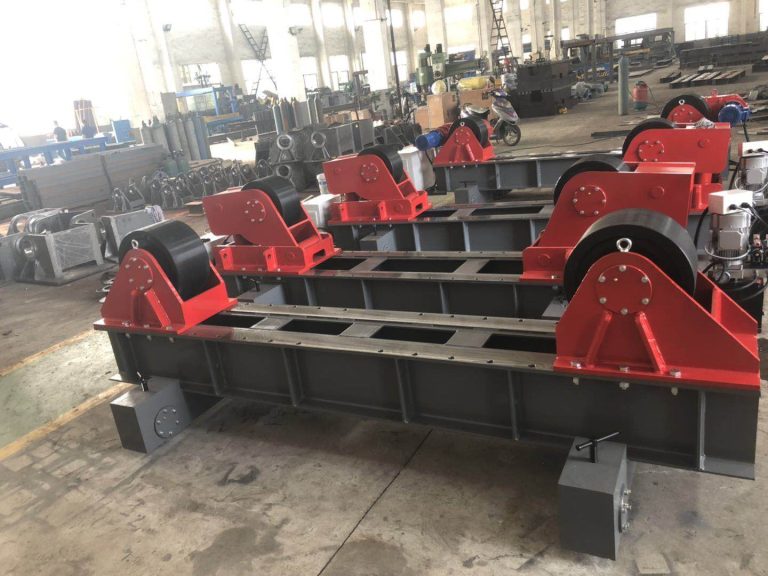
These wind energy disadvantages share one root: a manufacturing step that was treated as commodity work. Welding automation reduces this risk, but only if the positioner keeps the weld in the correct orientation and the rotator rotates at a steady speed. A turntable that jerks or drifts under load creates uneven bead profile. In heavy tower sections, those small inconsistencies add up across hundreds of meters of seam.
Why Fabrication Quality Should Reshape How You Evaluate Wind Energy Risks
The pattern behind most wind energy disadvantages is that late-stage failures start early in manufacturing. Buyers who evaluate a wind project only on turbine selection and wind data miss the cost drivers hiding in the tower. You inherit those drivers through repair bills, downtime, and shorter service life. Putting more emphasis on fabrication quality before equipment is ordered changes the risk profile for the whole project.
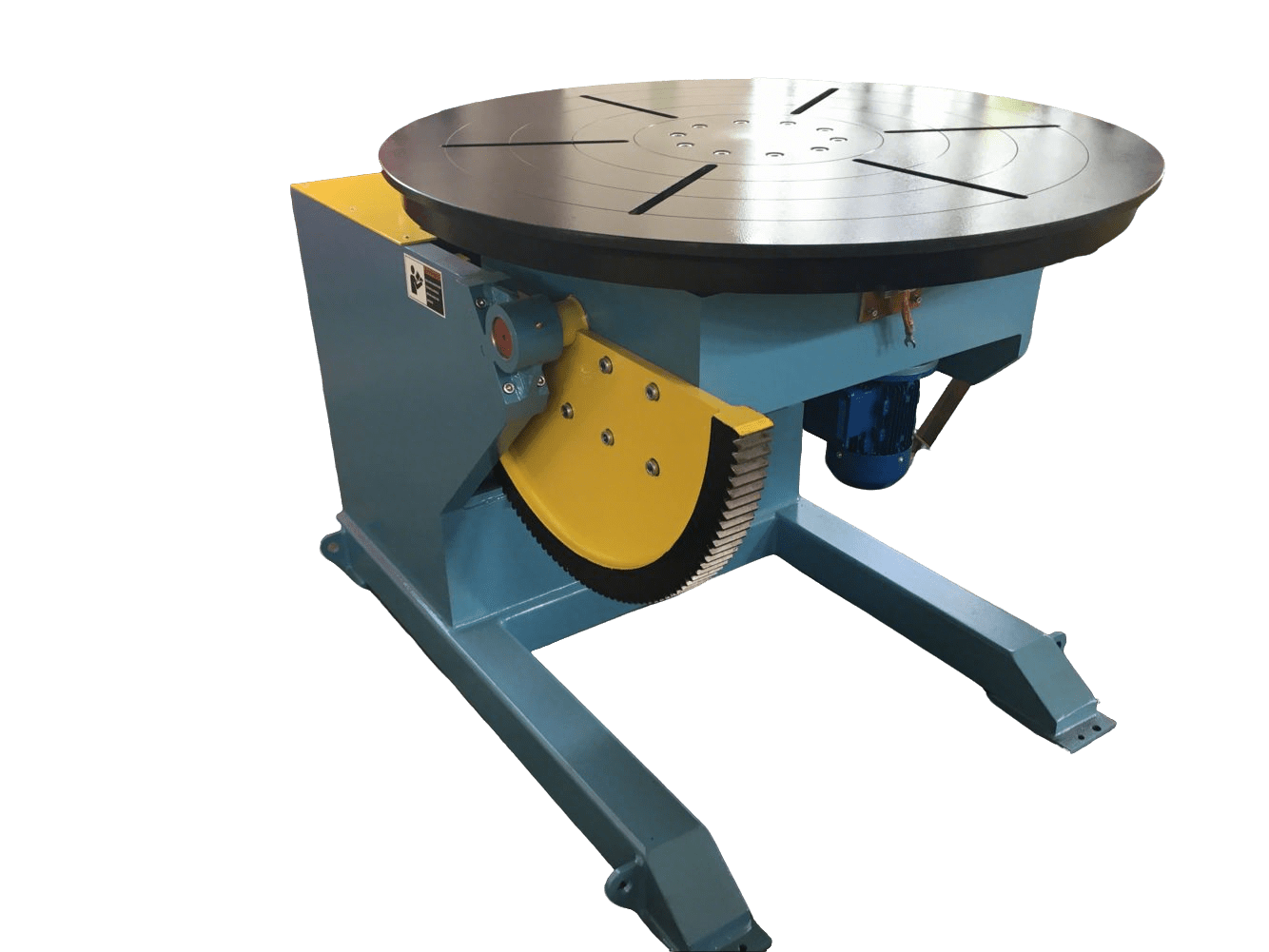
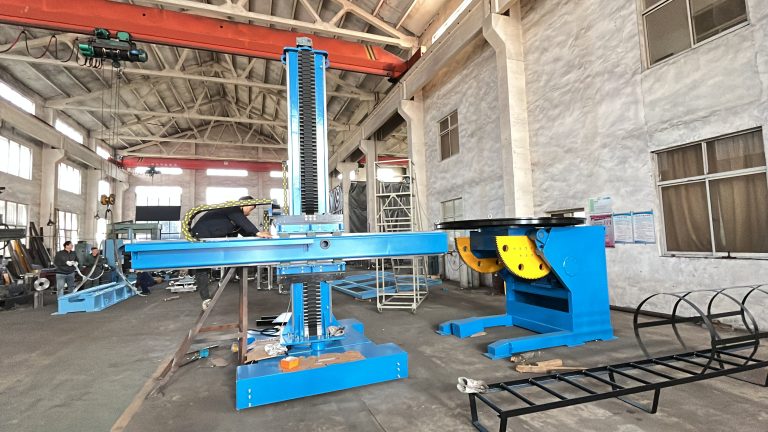
At Wuxi ABOKE Machinery, we configure welding positioners, rotators, and CNC cutting lines around the specific diameter, wall thickness, and production target of each wind tower program. If you are planning a wind tower line or upgrading an existing one, send your section dimensions, material grade, and monthly output target to [email protected] or call +86 13616174307. We will confirm the rotator and positioner combination that matches your welding procedure and inspection plan before you commit to a layout.
What Questions Do Buyers Ask About Wind Energy Negatives?
Do wind energy disadvantages cancel out the clean energy benefit?
No. Wind energy still cuts fuel cost and lowers exposure to fuel price swings, but the net benefit varies. A project with a poorly fabricated tower and frequent blade repairs can erase the savings that the turbine design was supposed to deliver. The useful comparison is not wind against nothing; it is a well-built wind project against a poorly built one. Buyers who treat welding and mechanical fit-up as equal to the turbine spec usually get the result they expect.
Why do wind projects miss their output forecasts?
Many people assume the turbine itself underperforms. In practice, the forecast usually misses because wind studies are based on limited measurement periods and site conditions change over time. Some projects also lose output because unplanned maintenance keeps turbines down more days than assumed. The tower and blade condition affects availability too. A cracked weld or eroded leading edge may not stop the machine immediately, but it cuts production and forces an outage during a high-wind season. Buyers should compare actual availability against the performance model before blaming the wind resource.
Are reliability problems mostly caused by the turbine supplier or the tower fabricator?
It depends on where the failure starts. Nacelle and gearbox issues usually trace back to the turbine supplier, while tower shell, flange, and foundation interface problems often trace back to fabrication and fit-up. A buyer who only audits the turbine supplier leaves a large portion of the project unqualified. Before ordering a wind tower line, we ask buyers to confirm how their fabricator will prove weld quality, flange flatness, and section alignment.
What should buyers check before qualifying a wind tower welding line?
The better question is which parts of the line create hidden repair risk. Start with the welding positioner: it must hold the section’s off-center load without drift during multi-pass welding. Then check rotator speed stability, because inconsistent rotation shows up as uneven bead profile in submerged arc welding. Also require documented inspection points for weld depth, undercut, and flange ovality after each section. Those three factors appear again and again in later repairs. Share your section dimensions and production target with us, and we will confirm which rotator and positioner configuration matches your welding procedure before you order.
If you’re interested, check out these related articles:
Automatic Welding Centers Improve Production Efficiency & Weld Quality
Heavy-Duty Welding Rotators with 200 Ton Load Capacity