What Do You Need to Weld? Essential Equipment and Safety Gear
Table of Contents
- Start With the Process and the Joint
- Welding Machine and Power Supply
- Shielding Gas, Filler Metal and Consumables
- Personal Protective Equipment You Should Not Skip
- Preparation, Fixtures and Positioning Equipment
- Matching a Practical Starter Setup to the Job
- Plan Your Welding Setup Around the Actual Job
- Frequently Asked Questions
- What is the minimum equipment needed to start welding?
- Which welding process is easiest for a beginner?
- Do I need shielding gas for every process?
- Is a welding positioner or rotator necessary for a small shop?
What you need to weld depends more on the joint and material than on a single machine list. A complete setup covers five areas: a suitable power source, the correct filler metal and shielding method, effective personal protective equipment, clean surface preparation, and enough support to keep the joint aligned while you work. For someone starting on mild steel, a MIG/MAG or flux-cored machine with a basic helmet, gloves, an angle grinder, and a sturdy work surface is often the fastest route. For stainless steel, aluminum, or code work, the same list grows with gas selection, process control, and positioning equipment. This guide organizes those needs so you can buy only what your first job actually requires.
Start With the Process and the Joint
The first decision is not which brand to buy. It is whether the process fits the material, the weld position, and the working environment. MIG/MAG, also called gas metal arc welding, uses a continuously fed wire and is easy to control on clean steel. Flux-cored arc welding, or FCAW, is more tolerant of light rust and outdoor air because the flux core supplies a protective slag and gas. Stick welding, or SMAW, is compact, simple, and effective in field conditions, but it requires more operator skill and post-weld cleaning. TIG, also called GTAW, gives the most precise heat control for thin sheet, stainless steel, and aluminum, yet it is slower and needs cleaner joints.
| Process | Best fit | Main inputs | Operator control | Typical cleanup |
|---|---|---|---|---|
| MIG/MAG | Clean mild steel, sheet, general shop work | Solid wire, shielding gas, contact tip | Beginner friendly | Light spatter, minimal slag |
| Flux-cored | Outdoor or thicker steel | Flux-cored wire, correct drive rolls | Moderate | Slag to chip |
| Stick | Field repair, thick steel, windy conditions | Coated electrodes | Higher skill for arc starts | Slag and spatter |
| TIG | Stainless steel, aluminum, thin material | Tungsten, filler rod, shielding gas | Highest control and skill | Little spatter, no slag |
The joint shape also changes the tool list. A butt joint in thin plate needs less support than a circumferential pipe seam, and an overhead weld always takes more planning than a flat weld on the same part. Define the material, thickness, position, and joint type before you buy the next item.
Welding Machine and Power Supply
After choosing the process, choose a machine that can run it at the thickness you need. At minimum, verify process compatibility, output range, duty cycle, and input power. A small single-phase machine may be easier to move but may struggle on heavy plate or long runs. A three-phase industrial machine supports longer arc-on time and higher current but requires an appropriate supply and workspace. The answer is not always the largest machine; it is a machine that can maintain a stable arc at the current your job needs without overheating during a realistic work session.
Accessories and consumables matter as much as the machine. Keep the correct drive rolls, contact tips, gas diffusers, or electrode holder in stock. Ground clamp and cable condition affect arc stability and safety. Poor grounding causes heat, voltage drop, and an unstable weld, even on a high-quality machine.
Before paying for a machine, ask the supplier for inspection records, test results, and spare parts support. <Welding Equipment Factory Audits: Secure Quality Before Purchase> covers what to verify during a factory visit or audit.
Shielding Gas, Filler Metal and Consumables
Shielding gas keeps atmospheric oxygen and nitrogen away from the molten weld pool. Carbon dioxide is a common and economical choice for short-circuit MIG on carbon steel. An argon and carbon dioxide mix reduces spatter and improves appearance. Pure argon is the standard selection for TIG and for most aluminum MIG work. Filler metal must be compatible with the base material and the service condition. A mild steel wire on stainless steel destroys corrosion resistance, while a stainless filler must match or exceed the base alloy’s composition.
Wire spool size and electrode diameter are also part of the setup. A larger spool reduces changeover time in production, but a smaller spool may be more practical for occasional work. Keep consumables dry and clean. Damaged or wet electrodes and contaminated wire produce porosity and unstable arcs.
Personal Protective Equipment You Should Not Skip
Welding produces intense ultraviolet and infrared light, heat, sparks, fume, and occasionally molten metal. Minimum protection includes a properly shaded welding helmet, dry welding gloves, long-sleeved natural-fiber or flame-resistant clothing, and closed leather boots. Do not wear synthetic layers against the skin; some synthetics can melt under heat or sparks. Safety glasses go under the helmet so your eyes stay protected when the helmet is lifted for chipping or inspection.
Fume control depends on the material and the location. Welding outdoors with light wind may reduce fume exposure, but strong wind can disrupt shielding gas. Indoors, use local exhaust or a fume extraction system for stainless steel, galvanized steel, or long sessions. Keep fire-resistant barriers around combustible material, and have an extinguisher within reach.
Preparation, Fixtures and Positioning Equipment
Good welds begin before the arc starts. Clean the joint with a dedicated wire brush or flap disc to remove mill scale, oil, paint, and moisture. Reserve stainless steel brushes for stainless parts so carbon steel particles do not cause rust. An angle grinder cuts, bevels, and cleans, but it also creates sparks and requires a face shield or helmet.
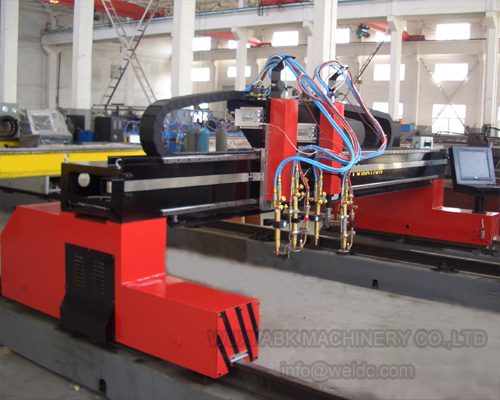
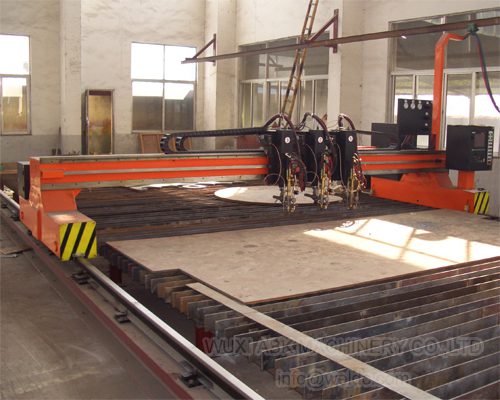
For shops that prepare many plates and parts, a CNC plasma cutting machine moves cutting and beveling into one setup.
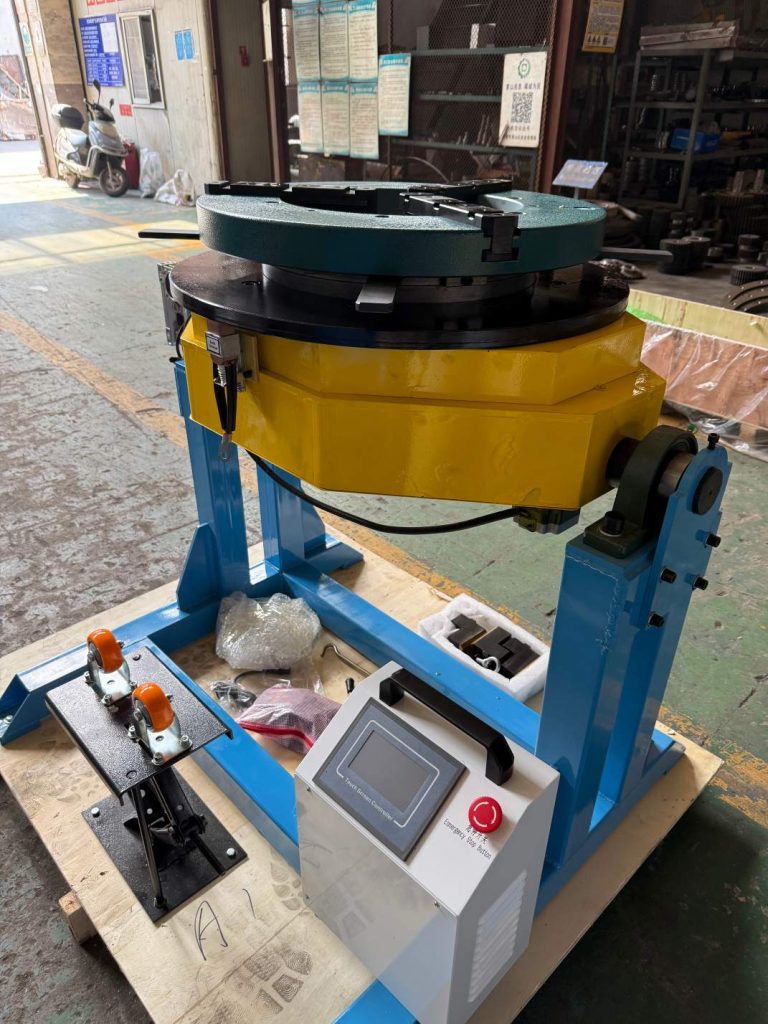
Alignment changes weld quality more than many beginners expect. Clamps, magnets, and jigs keep a joint from pulling as it cools. For thin sheet, avoid heavy clamping force only when it could distort the part. For round work, a simple v-block or pipe stand may hold a small tube, but a positioner becomes worthwhile when you need to rotate a heavy cylinder while keeping the torch angle steady.
A fixed-height positioner suits a stable part range. For a smaller, repeatable workpiece range, a fixed height positioner keeps parts at a consistent working height.
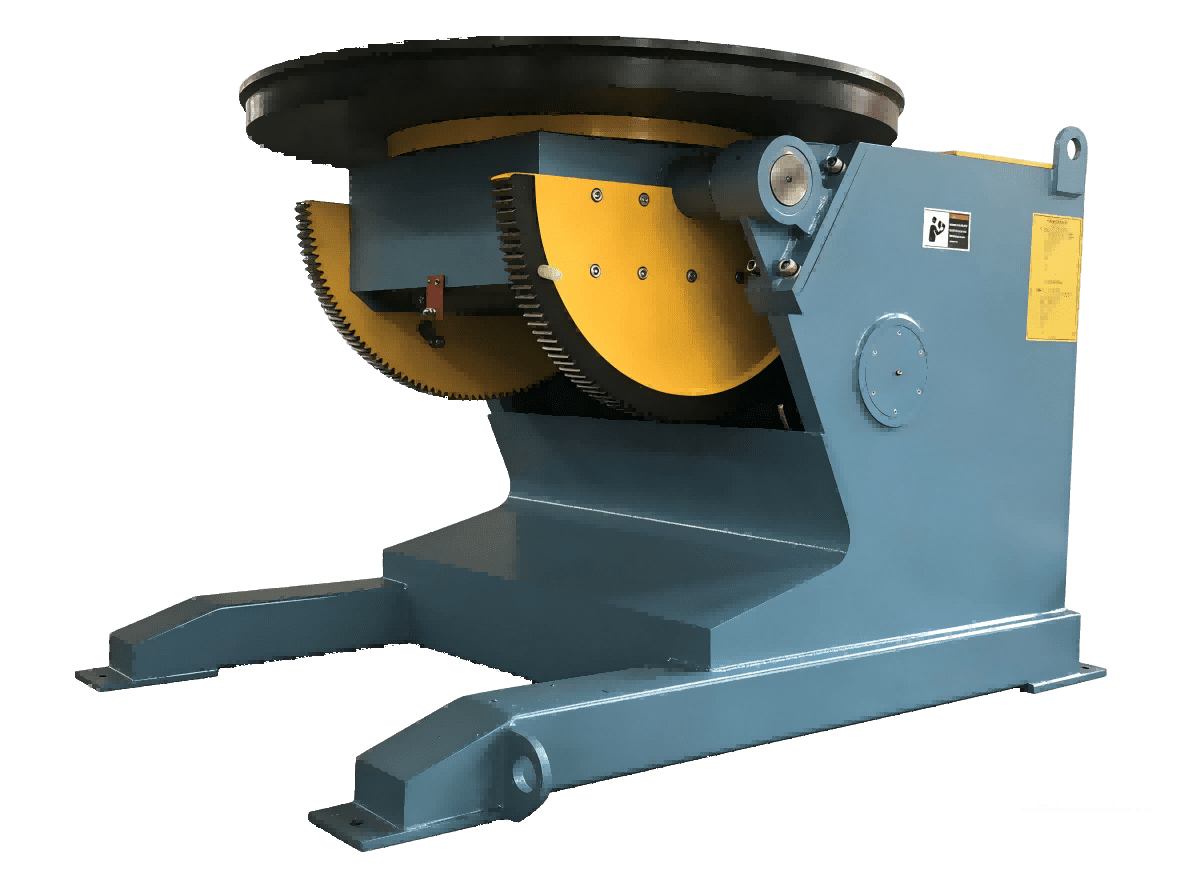
Fixed and adjustable support equipment overlap in purpose but differ in changeover time. A fixed-height positioner is simpler and often more rigid, while an adjustable-height model reduces setup time when part heights change often. Decide by measuring the most common workpieces in your shop, not by the most extreme job you might see once a year.
Fixed and adjustable support equipment overlap in purpose but differ in changeover time. <Fixed vs Adjustable Welding Positioners: How to Choose the Right Tool> covers the height, load, and setup trade-offs in more detail.
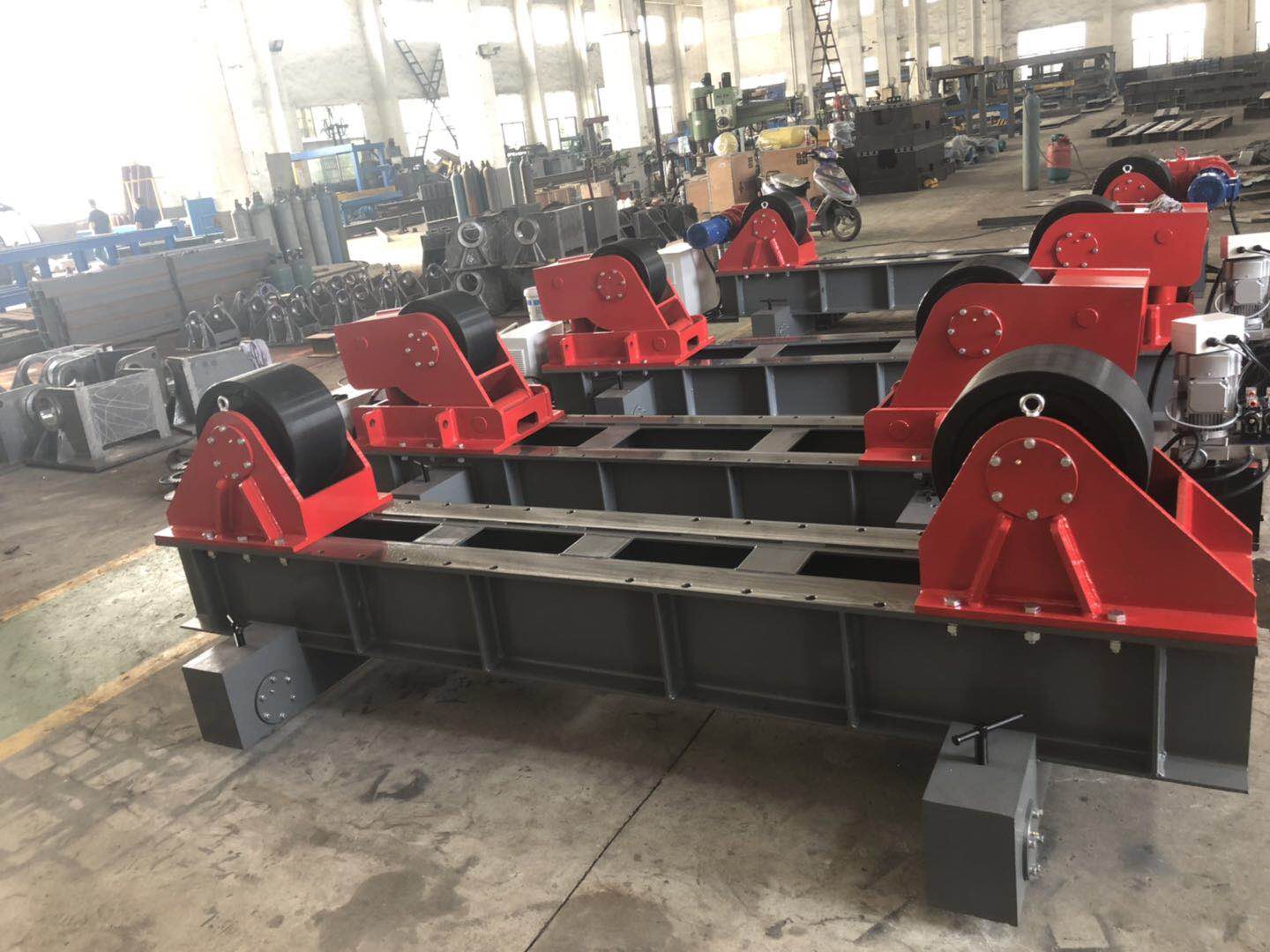
For large cylindrical vessels, a fit-up rotator carries the shell and lets operators align and tack without a crane.
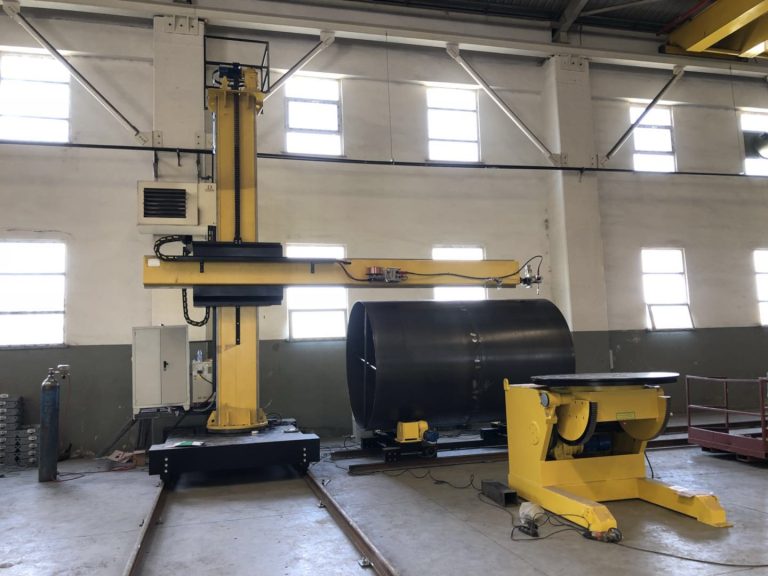
When the work is flat or structural, an assembly machine aligns web, flange, or tube sections before welding.
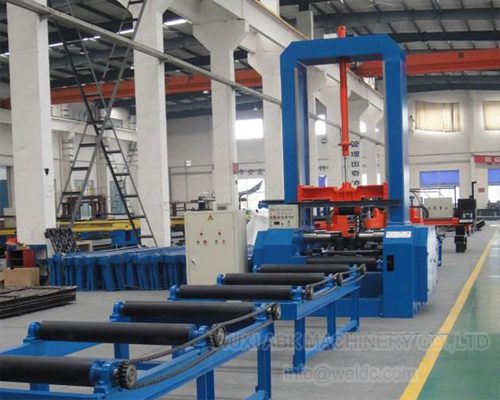
For boiler panel or fin-bar work, a calibration machine sets repeatable alignment before the weld.
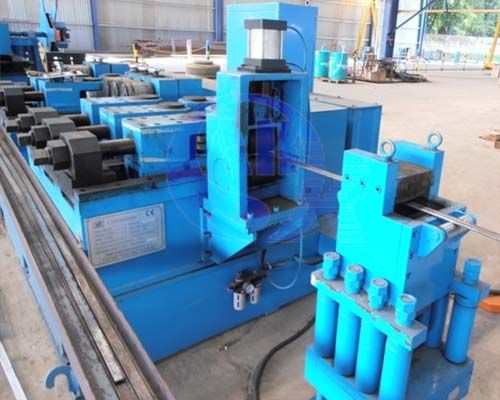
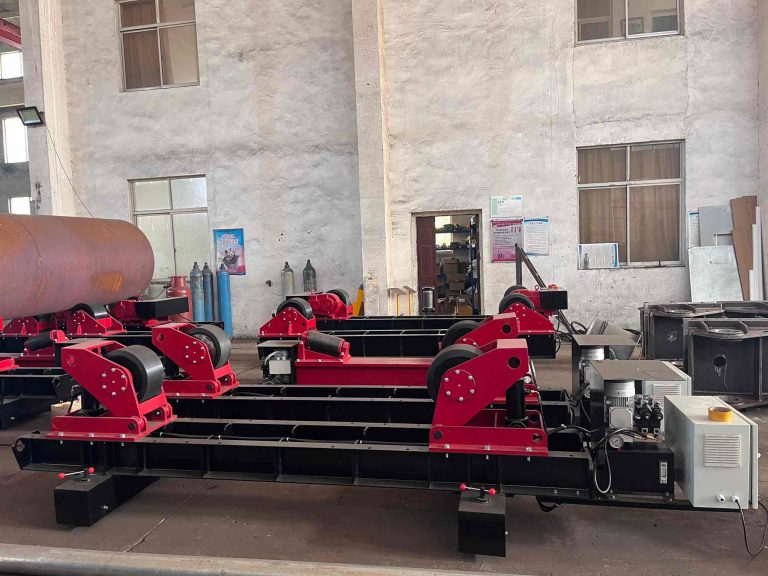
For long pipe or vessel seams, rolling the workpiece instead of walking around it changes both weld time and weld quality.
For long pipe or vessel seams, rolling the workpiece instead of walking around it changes both weld time and weld quality. <Pipe Welding Rotator vs Manual Welding | Productivity and Cost Comparison> covers the productivity and cost factors.
Matching a Practical Starter Setup to the Job
Most buyers can now put the list together. Start with the material and joint. Then choose the process. Then verify power and consumables. Then add PPE and cleaning tools. Only after that should you evaluate positioning equipment. For occasional repair and light fabrication, a quality machine, correct wire or electrodes, workspace protection, and basic clamps are enough. For round parts, pipes, tanks, or pressure vessels, add support that rotates and aligns the workpiece. For production work, look at how much time is spent moving and repositioning parts; that is where automation starts to pay.
Plan Your Welding Setup Around the Actual Job
A practical welding setup is specific: material, thickness, weld position, joint type, part size, and production volume. If you are deciding among machines, consumables, positioners, or rotators, send those six details to a supplier that can match equipment to the work. Contact WUXI ABK MACHINERY CO., LTD at [email protected] or +86 13616174307 with your material, joint type, part size, current supply, and expected volume, and request a complete equipment list and quote.
Frequently Asked Questions
What is the minimum equipment needed to start welding?
For mild steel, a MIG/MAG or flux-cored machine, a welding helmet, gloves, long-sleeved clothing, an angle grinder, clamps, and a non-combustible work surface cover the basics. Add shielding gas if the process requires it, and add fume extraction for indoor work. For thicker steel or outdoor repair, a stick welding machine may be the better first choice.
Which welding process is easiest for a beginner?
MIG/MAG is usually easiest because the wire feeds continuously and the arc is easy to start. Stick welding is strong in field and wind but demands more arc control. TIG offers the most control but is slower and less forgiving on dirty or poorly fitted joints.
Do I need shielding gas for every process?
No. Flux-cored and stick welding use flux to create their own shielding and slag. MIG/MAG and TIG require an external gas. Some flux-cored wires still use a gas for higher-quality work, so check the wire designation before assuming a process is gasless.
Is a welding positioner or rotator necessary for a small shop?
Not for flat plate or small brackets. For pipes, tanks, and large cylindrical parts, a positioner or rotator helps keep the weld in a comfortable flat or horizontal position and reduces part moving time. Buy it after the basic machine, PPE, and preparation tools are in place, and match capacity to the actual weight and diameter.
If you’re interested, check out these related articles:
Storage Tank Fabrication: Core Equipment and Manufacturing Process
Evaluate ROI of Welding Automation Business Investment
Industrial Custom Welding Manipulators for Structural Fabrication
Fit-Up Rotator for Accurate Vessel Alignment & Stable Welding
Automatic Girth Welding Machines: Boost Efficiency for Pipeline Projects