Welding Equipment Factory Audits: Secure Quality Before Purchase
Table of Contents
- Why Factory Inspection Matters Before You Sign a Purchase Order
- What a Comprehensive Welding Equipment Factory Audit Covers
- Quality Standards and Certifications That Actually Matter
- Evaluating Production Capacity and Technical Support Infrastructure
- Red Flags That Should Stop a Purchase Decision
- Moving Forward with Your Equipment Decision
- Frequently Asked Questions
- What documents should I request during a welding equipment factory inspection?
- How long does a typical factory inspection for welding equipment take?
- What are the common red flags to look for during a factory audit?
Investing in welding equipment demands more than comparing price lists. A factory audit for welding equipment lets you verify what a manufacturer actually delivers—not just what their catalog promises. This direct assessment of production processes, quality controls, and testing protocols protects your capital before you commit to a purchase order.
Why Factory Inspection Matters Before You Sign a Purchase Order
Skipping supplier vetting creates risks that compound over time. Equipment that fails prematurely, welds that require constant rework, or machines that cannot pass safety inspections all trace back to gaps in the manufacturing process that a factory audit would have caught.
The financial exposure is real. Unplanned downtime on a production line running automated welding equipment can cost more per hour than the audit itself would have cost in total. Add in warranty disputes with manufacturers who lack documentation to support their claims, and the case for pre-purchase inspection becomes straightforward.
A factory audit functions as risk assessment with teeth. You see the incoming material inspection station, watch how components move through assembly, and review the calibration records for testing equipment. These observations translate directly into confidence—or justified concern—about whether the machinery will perform once it reaches your facility.
What a Comprehensive Welding Equipment Factory Audit Covers
The audit process follows a sequence designed to expose weaknesses at each stage of production.
Pre-audit planning defines what you need to verify. This includes identifying the specific equipment models under consideration, the standards they must meet, and the documentation you will require. A clear scope prevents the audit from becoming a general facility tour that misses critical checkpoints.
On-site inspection begins at raw material receiving. How does the manufacturer verify incoming steel, wire, and electronic components? Are material certificates matched to physical lots, or do they sit in a filing cabinet unconnected to actual inventory? The answers here predict the consistency of the finished product.
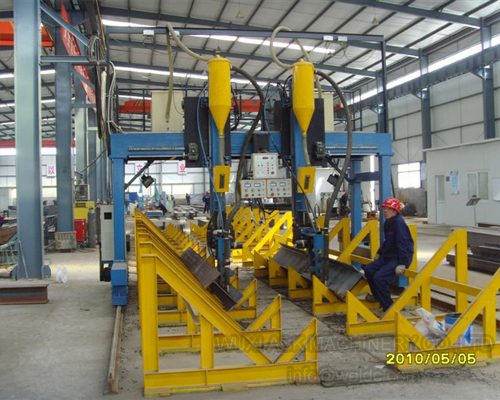
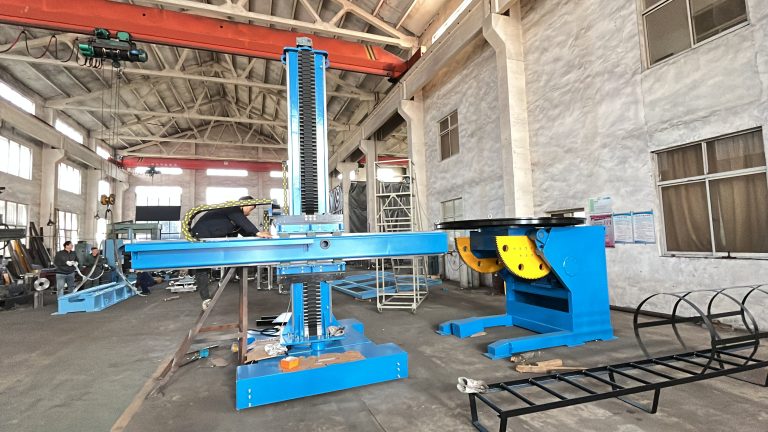
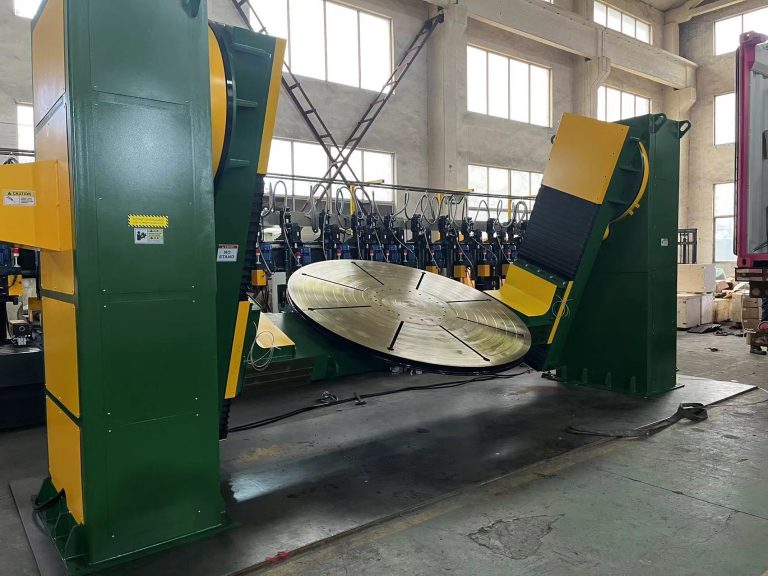
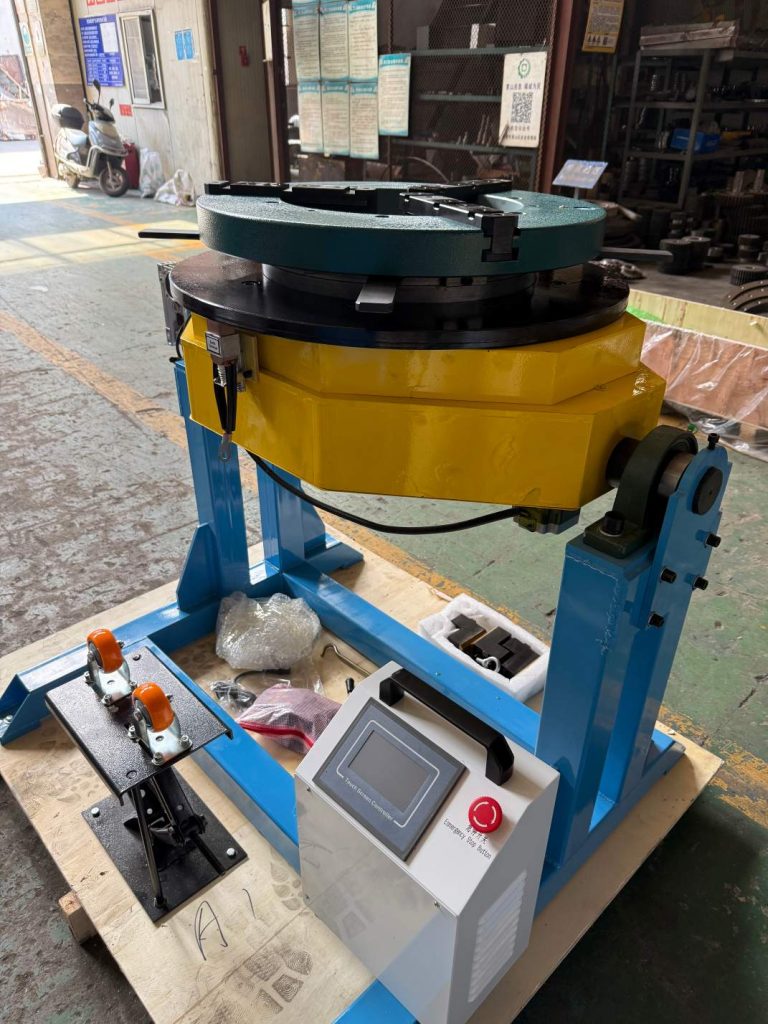
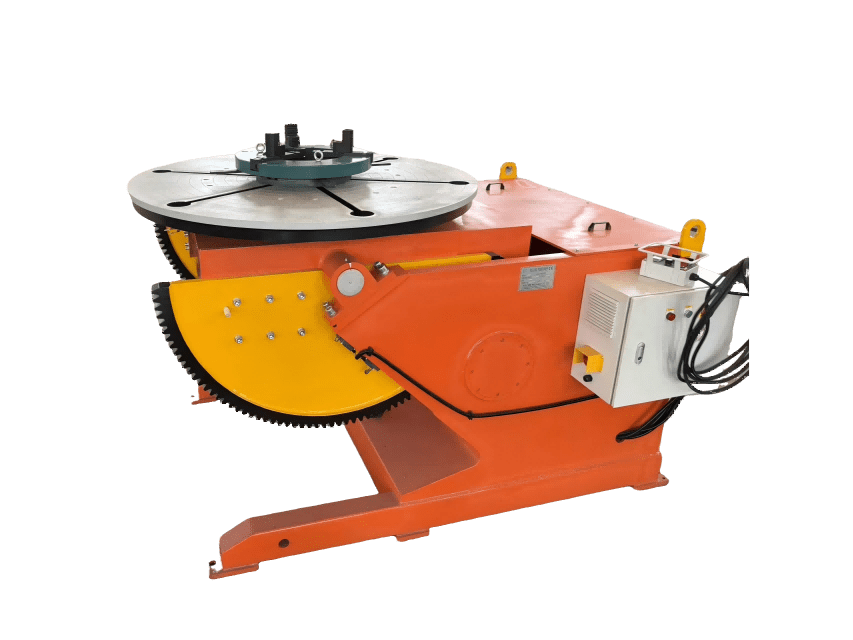
Component assembly quality comes next. Observe the production line for welding positioners, manipulators, or automated systems. Are assembly technicians following documented procedures? Do they have access to torque specifications, wiring diagrams, and quality checksheets at their workstations?
Final product testing reveals whether the manufacturer actually validates performance or simply boxes equipment for shipment. Request to witness a test cycle. Ask to see the test records for units produced in the previous month. Patterns in those records—consistent pass rates, recurring failure modes, calibration drift—tell you more than any sales presentation.
The audit concludes with a written report that documents findings, flags concerns, and provides a basis for negotiation or supplier qualification decisions.
Quality Standards and Certifications That Actually Matter
Certifications serve as a starting point, not a finish line. ISO 9001 confirms that a quality management system exists and has been audited by a third party. It does not guarantee that every weld on every machine meets specification. CE marking indicates conformity with European health, safety, and environmental requirements—mandatory for equipment entering that market, and a useful baseline for equipment destined elsewhere.
| Certification | What It Verifies | What It Does Not Verify |
|---|---|---|
| ISO 9001 | Quality management system structure and documentation | Actual product performance on your specific application |
| CE Marking | Compliance with EU safety directives | Suitability for non-European regulatory environments |
| EN Standards | Technical requirements for welding processes | Manufacturer’s consistency in meeting those requirements |
| Material Certificates | Origin and composition of raw materials | Proper handling and storage after receipt |
During a factory audit for welding equipment, request the actual test reports behind these certifications. A manufacturer confident in their processes will produce calibration records, non-destructive testing results, and traceability documentation without hesitation. Reluctance to share this information warrants further questions.
WUXI ABK MACHINERY CO., LTD designs and manufactures welding equipment to European standards and maintains ISO/CE certifications. This applies across the product range, from pipeline welding systems to tool fabrication equipment.
Evaluating Production Capacity and Technical Support Infrastructure
A manufacturer’s ability to deliver consistent quality depends on more than good intentions. Production capacity, R&D resources, and after-sales support infrastructure all factor into long-term equipment performance.
Annual production volume indicates process maturity. A facility producing 1,000 sets of welding equipment and 200 cutting machines per year has refined its workflows through repetition. Bottlenecks have been identified and addressed. Quality issues that might plague a low-volume operation have been engineered out.
R&D capability matters when your application falls outside standard configurations. An experienced engineering team can adapt equipment to specific requirements—unusual workpiece geometries, integration with existing automation, or compliance with industry-specific standards. Ask to meet the engineers who would support your project.
After-sales support deserves the same scrutiny as the equipment itself. One client learned this lesson when they selected a supplier for automated welding production lines without verifying regional service capabilities. The equipment performed well initially, but when programming modifications and preventive maintenance required on-site support, the supplier’s nearest technician was three time zones away. Response times stretched from days to weeks. By switching to a manufacturer with local technical presence, they reduced downtime-related costs by roughly 18% over two years. The equipment price was comparable; the total cost of ownership was not.
WUXI ABK MACHINERY CO., LTD maintains an R&D team with over 20 years of accumulated experience in welding equipment design. Technical support and warranty provisions reflect the understanding that equipment performance depends on ongoing partnership, not just initial delivery.
Red Flags That Should Stop a Purchase Decision
Factory audits reveal problems that sales presentations conceal. Knowing what to look for prevents expensive mistakes.
Documentation gaps signal deeper issues. If a manufacturer cannot produce material certificates for components in current production, their traceability system has failed. If calibration records for testing equipment show overdue dates, test results become unreliable. If quality control procedures exist only as laminated posters rather than active checklists, they serve decoration rather than function.
Access restrictions raise questions. A manufacturer confident in their processes welcomes inspection of production areas, testing stations, and documentation systems. Reluctance to show specific operations—heat treatment, welding parameter verification, final inspection—suggests those operations may not meet the standards claimed in marketing materials.
Inconsistency between stated capacity and observed activity deserves attention. A facility claiming high production volumes should show corresponding material flow, work-in-progress inventory, and staffing levels. Empty production lines during normal working hours contradict claims of robust output.
Worker behavior provides indirect evidence of quality culture. Are safety protocols visibly followed? Do assemblers consult documentation, or work from memory? Is the production floor organized for efficiency, or cluttered in ways that invite errors? These observations correlate with the care applied to the equipment you would receive.
Twenty years of experience in this industry has taught us to recognize these indicators. The patterns repeat across manufacturers and geographies. Addressing concerns during the audit prevents them from becoming problems after delivery.
Moving Forward with Your Equipment Decision
A factory audit for welding equipment converts uncertainty into actionable information. You learn whether a manufacturer’s capabilities match their claims, whether their quality systems function as documented, and whether their support infrastructure will serve you after the purchase.
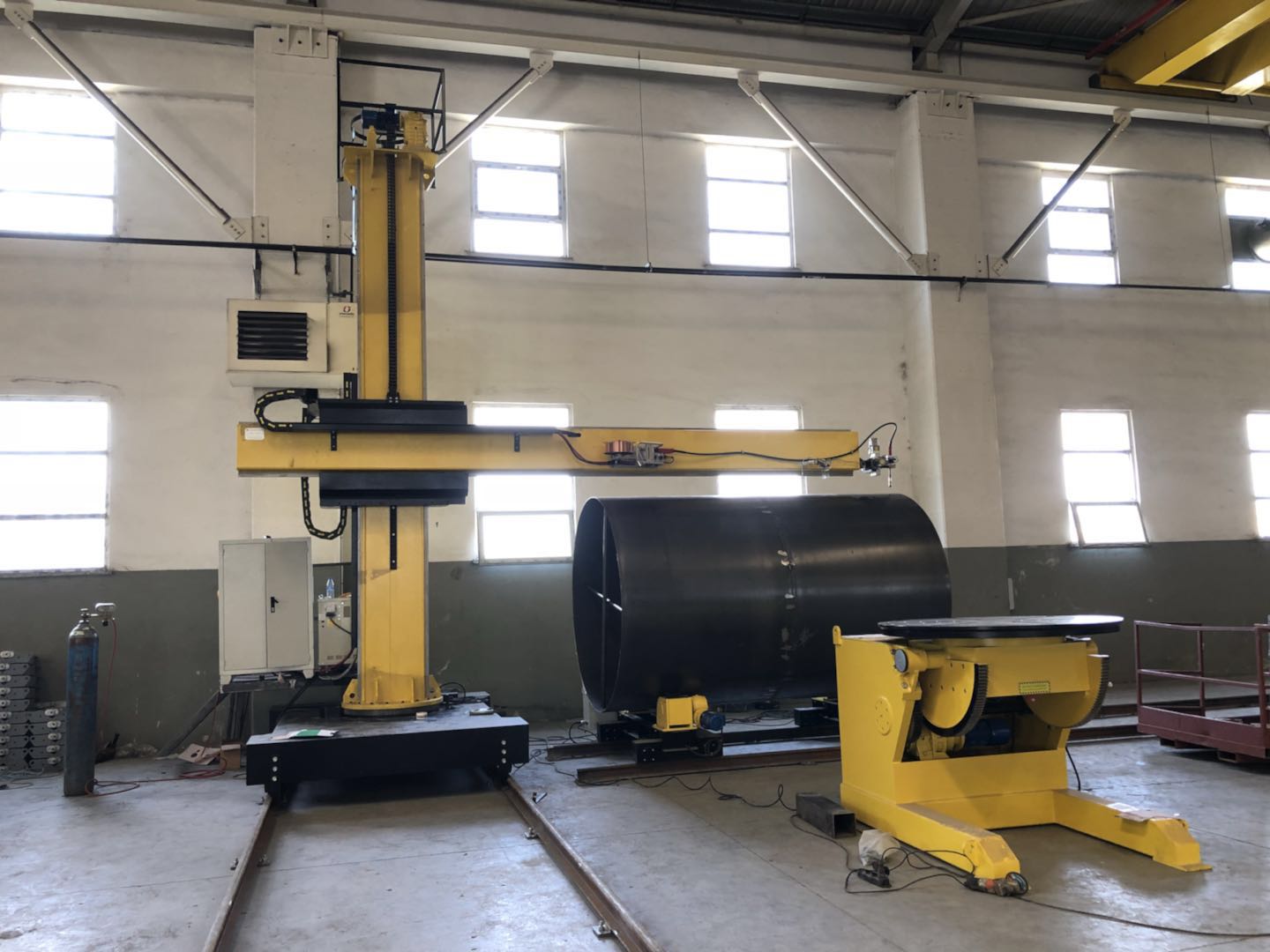
If your next equipment acquisition involves welding positioners, manipulators, automated production lines, or cutting systems, the audit process described here applies directly. The investment in verification pays returns through reduced risk, better supplier relationships, and equipment that performs as expected.
To discuss requirements for your welding equipment project, contact us at [email protected] or +86 13616174307.
Frequently Asked Questions
What documents should I request during a welding equipment factory inspection?
Request quality management system certifications such as ISO 9001, product compliance certificates including CE declarations where applicable, material safety data sheets for critical components, and calibration records for all testing equipment. These documents provide verifiable evidence of adherence to stated standards. Beyond certificates, ask for actual test reports from recent production runs—the data behind the certifications reveals more than the certificates themselves.
How long does a typical factory inspection for welding equipment take?
A comprehensive factory audit for welding equipment typically requires one to three full days on site. The duration depends on the scope of equipment under evaluation and the complexity of the manufacturer’s operations. This timeframe allows for facility tours, document reviews, witness testing, and discussions with engineering and quality personnel. Rushing the process defeats its purpose. If you need guidance on planning an audit for specific equipment types, reach out to discuss your timeline at [email protected].
What are the common red flags to look for during a factory audit?
Watch for disorganized production areas, testing equipment with overdue calibration dates, and documentation that cannot be traced to specific production lots. Observe whether workers follow documented procedures or improvise. Note any reluctance to answer questions about component sourcing, testing methods, or quality control processes. Safety protocol violations visible on the production floor often correlate with quality control weaknesses that affect the equipment you would receive.
If you’re interested, check out these related articles:
Welding Rotator vs Manual Pipe Welding: Productivity & Cost Efficiency