Welding Decoration Ideas for Outdoor Metal Art Projects
Table of Contents
- Welding Decoration Ideas Start With the Right Skill Level
- Beginner Projects Built With Solid Bar and Plate
- Intermediate Projects That Require Positioning
- Advanced Welding Decoration Projects With Multiple Centers
- Material Selection Changes How a Welding Decoration Holds Up
- When Galvanized or Painted Stock Is Worth Avoiding
- Section Size and Drainage
- Fit-Up and Distortion Control Shape the Final Welding Decoration
- Finishing Keeps Outdoor Welded Metal Art From Failing Early
- Scaling a Welding Decoration Project Begins With a Clear Equipment Scope
- Common Welding Decoration Questions Have Practical Answers
- Do I Need Stainless Steel for Every Outdoor Welding Decoration?
- Why Does My Flat Base Plate Keep Warping?
- Can I Use Salvaged or Painted Metal for Decorative Welding?
- How Do I Keep a Tall Welding Decoration From Tipping Over?
Welding decoration ideas often start with a strong silhouette and fail at the first winter when moisture gets into an unprotected joint. Most online inspiration stops at the concept drawing, so the part that actually determines durability is never shown: material selection, corner fit-up, distortion control, and coating sequence. In my twelve years working with welding automation and industrial fabrication, the pieces that held up were rarely the most complex. They were planned around load path, drainage, and weld accessibility. The projects below move from simple brackets to larger sculptural work, with finishing decisions included at each stage.
Welding Decoration Ideas Start With the Right Skill Level
Most published welding decoration ideas fail because the builder chooses a project two steps beyond current heat control. Starting small builds two things at once: reading a joint before it moves, and keeping weld size consistent on thin sections. Flat bar and solid round stock are easier to clamp than thin sheet, and the welds stay short enough to inspect after every pass.
| Project | Stock choice | Main process | What it teaches |
|---|---|---|---|
| Garden plant marker | 3 mm flat bar, 6 mm round bar | Short fillet and butt weld | Heat control and cleaning |
| Geometric plant stand | 25 mm angle iron | Out-of-position fillet sequence | Clamping and balanced weld order |
| Fire pit surround | 5 mm plate, 50 mm flat bar | Multi-pass corner and edge joints | Distortion control and fit-up |
| Garden arch | 40 mm tube, 10 mm round bar | Tube-to-tube joints and bracing | Positioning and sequencing |
Beginner Projects Built With Solid Bar and Plate
Small garden markers, bottle trees from rebar, and candle holders from flat bar work because the joints are short and mostly horizontal. Use 3 mm to 5 mm wall or solid 8 mm to 12 mm bar; these thicknesses tolerate slight travel speed changes without burning through. Keep heat input at the lower end for the material and let each pass cool before adding the next branch. The failure I see most often is not poor bead appearance but a ground contact point that holds water. If the piece will sit in soil, add a small plate foot or make the ground stake from stainless steel rather than mild steel.
Intermediate Projects That Require Positioning
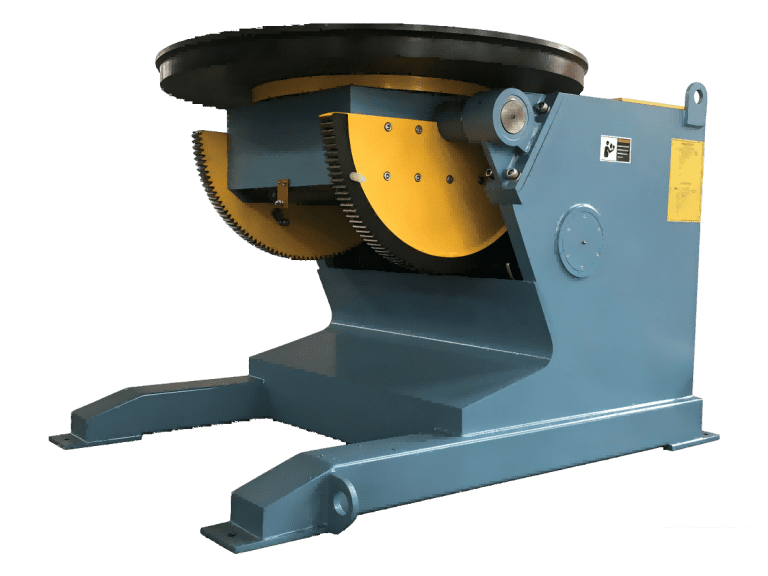
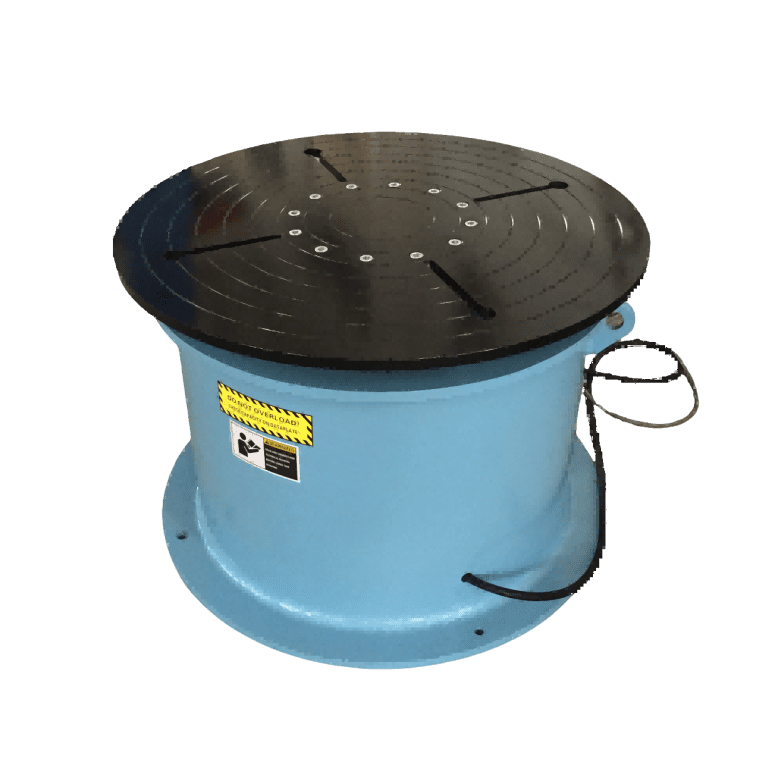
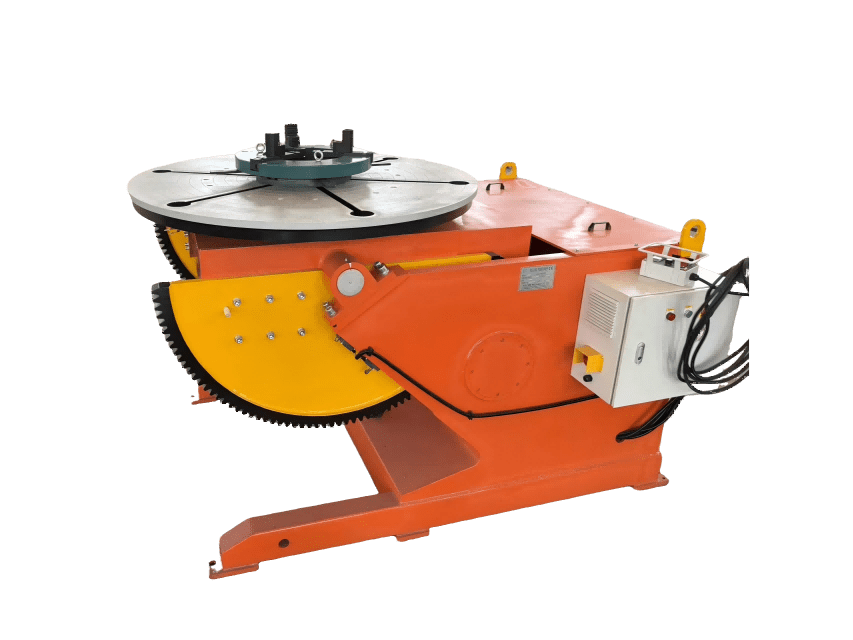
Coat racks from horseshoes and geometric plant stands from angle iron introduce out-of-position welding and repeated fillets. These projects teach operator position before bead pattern. If you fight the piece, the bead becomes irregular. A simple welding table with clamp points, or a small positioner, moves the joint flat and keeps heat consistent. On decorative work, that consistency is visible because the eye follows the bead line even when the design is simple.
Advanced Welding Decoration Projects With Multiple Centers
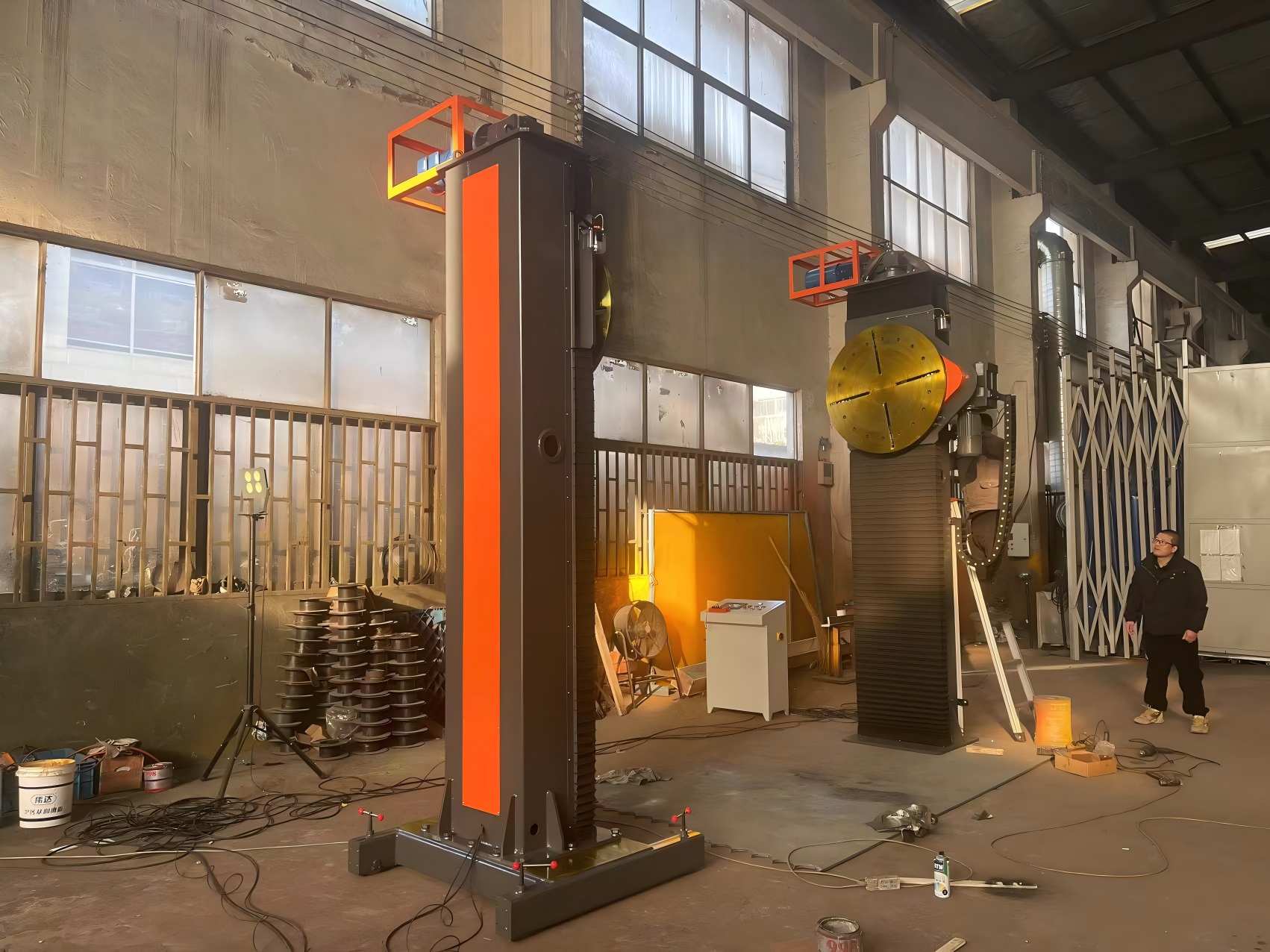
Garden arches, fire pit surrounds, and abstract sculpture from steel plate combine multiple process steps. Before welding, mark the bend lines and cut notches so the material pulls inward only where the design can accept it. For round components and heavy plate, a positioner or rotating fixture changes the work from difficult to repeatable. The sequence is the same as production work: fix the part, not the torch. If you try to weld around a fixed arch by hand, heat builds unevenly and the second side springs differently from the first.
Material Selection Changes How a Welding Decoration Holds Up
Mild steel is easy to cut and weld, but it must be coated completely, including corners and backside edges. Stainless steel costs more up front and resists corrosion without paint, but it distorts more than carbon steel when heat input is high. Aluminum is lighter and often chosen for wall art, but it needs more heat and different filler; it is not a direct substitute for steel sections without changing the design.
When Galvanized or Painted Stock Is Worth Avoiding
Decorative builders sometimes source old machinery parts or salvaged metal. If the part is galvanized, grind back the coating before welding, weld with adequate fume control, and re-apply a zinc-rich paint over the welded zone. Pre-painted sheet is common in indoor wall art; welding through the paint produces porosity and fumes. Strip the coating from the joint area before welding, then touch up after the part cools.
Section Size and Drainage
Hollow tube frames should include a small drain hole at the lowest point for outdoor pieces. Sealed tube collects condensation, freezes, and splits the joint from inside. On decorative work, a 4 mm drain hole is less visible than a failed corner. Pipe and tube also concentrate heat along the seam; add tack welds at quarter points before the final pass so the section cannot shift.
Fit-Up and Distortion Control Shape the Final Welding Decoration
Most decorative shapes are not structural frames, but they still move when welded. A flat base plate cups when all the weld is placed on one side. The fix is mechanical, not a change in amperage: clamp the plate to a heavy table or stiff fixture, then place each pass so an opposite pass pulls the piece back. For angle and flat bar frames, corner clamps and three small tack welds keep the section from locking in a diagonal error.
- Fit the two parts with no gap, or a gap no wider than the wire diameter.
- Tack the far corners first, then the near corners, and recheck the diagonal before welding.
- Weld short runs and move to the opposite side instead of completing one corner at a time.
- Let the piece cool until you can lay a hand near the weld before adding the next section.
- Check flatness after each subassembly, not only at the end.
If your decoration project moves from a single piece to a batch of frames, or includes heavy plate and pipe, it is worth confirming workpiece dimensions and rotation capacity before you lock the build sequence. For specific size and fixture questions, send your sketch and material thickness to [email protected].
Finishing Keeps Outdoor Welded Metal Art From Failing Early
Finish quality on a welded decoration is rarely about thicker paint. It starts with surface preparation. Grind weld spatter and sharp edges before coating, then clean the surface with a solvent that leaves no oil film. A zinc-rich or phosphate primer on carbon steel works better than painting directly over mill scale. For outdoor pieces, use two thin coats rather than one heavy coat; a heavy coat hides corner defects and traps moisture. For stainless steel, passivate or at least clean heat tint after welding, otherwise the heat-affected zone will rust while the rest of the part stays bright. If the design combines wood and metal sections, isolate the metal contact point with a gasket or sealant so the material swap does not create a crevice.
Scaling a Welding Decoration Project Begins With a Clear Equipment Scope
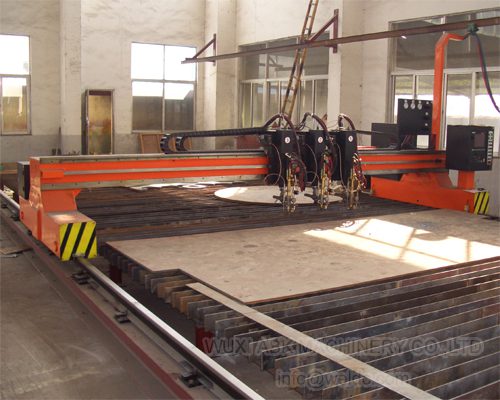
Most artistic builds stall when the piece grows beyond a bench. A sculpture that needs a 1.8 m arch, a steel plate cutout, or repeated frame joints is a small production run with the same planning as industrial fabrication. If the current setup cannot hold the weight or keeps pulling the weld out of position, the issue is usually fixture and workpiece range, not skill. WUXI ABOKE MACHINERY CO., LTD. manufactures welding positioners, rotators, and CNC cutting equipment for shops moving from single art pieces to repeatable decorative metalwork. If your project involves a specific plate size, tube diameter, or batch quantity, send the drawing and quantities to [email protected] or call +86 13616174307 for a realistic equipment and fabrication recommendation.
Common Welding Decoration Questions Have Practical Answers
Do I Need Stainless Steel for Every Outdoor Welding Decoration?
No. Mild steel works outdoors for years if the coating system is complete and drainage is planned. The failure usually starts at a sharp corner, a weld spatter ball, or a ground contact point, not because the base metal was carbon steel. For pieces in direct soil or water splash, use stainless steel for the buried section and carbon steel for the visible upper part. If the design includes sealed hollow sections, add a drain hole. That single detail stops more split tubes than a material upgrade would.
Why Does My Flat Base Plate Keep Warping?
Most people assume the steel is too thin. In many cases, the problem is weld sequencing, not material thickness. A flat plate cups when multiple passes are stacked on one side without a balancing pass. Clamp the plate to a heavy table before welding, tack all corners, and alternate weld placement from one side to the other. If the part still moves, increase the plate thickness or add a return flange around the edge. A stiffening rib placed in the right direction does more than doubling the plate.
Can I Use Salvaged or Painted Metal for Decorative Welding?
It depends on the source and coating. Clean unpainted steel is usually fine after light grinding. Painted or powder-coated sheet should be stripped from the joint area before welding, otherwise the coating burns and creates porosity. Galvanized parts need the zinc ground back around the weld zone and adequate fume control. Rust is not a problem if it is surface rust and the joint is ground to bright metal. If the material history is unknown, test a small weld and check for porosity before cutting the full design.
How Do I Keep a Tall Welding Decoration From Tipping Over?
From field projects I have worked on, most tipping failures come from a base that is too small or placed on soft ground. A tall piece catches wind and the base becomes a lever. Use a base plate wider than the widest visual section, bolt it to a concrete pad for outdoor placement, or extend a ground stake to at least one-third of the total height. For market displays or movable pieces, add removable counterweights behind the feet rather than filling the hollow base with concrete after the fact. If your piece has a known height, width, and wind exposure, send those dimensions to [email protected] and we can confirm a stable base and fixture approach.
If you’re interested, check out these related articles:
Shot Blasting Solutions for Steel Structure Surface Treatment
Industrial Custom Welding Manipulators for Structural Fabrication
Boiler Production Lines: Tube to Panel Manufacturing Explained
Custom Welding Automation Solutions for Industrial Manufacturing