
Autoclave Glass Selection: Types, Uses and Key Specs
Table of Contents
- What Does Autoclave Glass Do and Where Does It Fail?
- Which Autoclave Glass Types Match Different Operating Conditions?
- How Do You Match Autoclave Glass to Pressure and Temperature?
- What Installation and Maintenance Practices Extend Window Life?
- When Does Custom Fabrication Improve Autoclave Glass Assemblies?
- What Questions Do Buyers Ask About Autoclave Glass?
- Is borosilicate always the right autoclave glass?
- Can autoclave glass be cut to size on site?
- When should autoclave glass be replaced?
- Does thicker glass always handle higher pressure?
Autoclave glass fails most often not because the material is weak but because the pressure rating, thermal range, and mounting design do not match the operating cycle. In vessel and sterilization equipment I have reviewed, the sight port or service window is usually the smallest component in the assembly and the most common reason a unit gets held at inspection. This article covers autoclave glass types, how to select them for pressure and temperature cycling, and the installation and maintenance practices that keep a window out of the failure path. My position is direct: select by operating conditions and mounting system first, not by material name alone.
What Does Autoclave Glass Do and Where Does It Fail?
Autoclave glass functions as a viewport, inspection port, or safety window in pressurized and heated vessels. It lets operators confirm material position, fluid level, or load condition without opening the chamber. In sterilization autoclaves, operators use it to see cycle progress and chamber loading. In composite curing and vacuum pressure vessels, it gives a view into processes where cameras would not last.
The failure points I see most often sit at the glass edge. Pressure loads concentrate stress where the glass meets the metal frame, gasket, or clamping ring. A window under uniform load rarely fails in the center first. It fails at a chipped edge, a misaligned clamp, or a thermal differential that creates tensile stress at the rim. Once an edge flaw starts, repeated cycles grow it until the pane cracks or leaks. The first selection decision is not glass chemistry. It is how the glass is held.
Which Autoclave Glass Types Match Different Operating Conditions?
The right glass depends on what the autoclave actually does. A low temperature sterilizer, a high pressure chemical reactor, and a high temperature drying chamber call for different materials.
| Glass type | Typical application | Pressure and thermal notes |
|---|---|---|
| Tempered soda lime | Observation windows in general autoclaves | Moderate shock resistance; replace if deeply scratched |
| Borosilicate | Steam sterilizers and laboratory autoclaves | Better thermal shock tolerance; common for cyclic service |
| Aluminosilicate | High strength viewports | Strong mechanical strength; considered where impact is possible |
| Quartz or high silica | High temperature processes | Handles elevated temperatures; keep mechanical loading light |
| Laminated safety glass | Manway windows and operator facing ports | Protects the operator if a pane breaks; verify frame thickness |
Glass rating alone does not make the assembly safe. The frame, gasket, and fastening pattern carry the load path, and these parts are fabricated metal components. A well machined opening and a flat sealing surface matter as much as the glass certificate.
How Do You Match Autoclave Glass to Pressure and Temperature?
Two values drive most selections: maximum working pressure and the largest thermal change the glass sees in a shift. Pressure tells you the pane thickness and edge restraint required. Thermal change tells you whether the glass will survive startup and shutdown cycles without thermal shock.
A steam sterilizer that moves from ambient to 134°C and back each cycle needs glass that tolerates repeated thermal movement. A vacuum autoclave that swings from vacuum to positive pressure adds mechanical fatigue to the same pane. In those applications I have seen windows specified by pressure alone fail after several months. The failure was not a material defect. It was the cyclic load acting on a gasket that relaxed and transferred more stress to the glass edge.
If your process includes rapid depressurization or service above 200°C, the cyclic rating matters more than the nominal pressure class. Before you freeze opening dimensions, confirm the pane has been tested in a mounting arrangement close to yours. Send your cycle profile to [email protected] and we will check the frame geometry against the glass rating.
What Installation and Maintenance Practices Extend Window Life?
Most autoclave glass problems come from installation, not material. A pane installed with direct metal contact, uneven gasket compression, or a distorted sealing face will not reach its rated service life.
Tighten the clamping bolts in a star pattern with controlled torque so the gasket compresses evenly. Keep the glass isolated from the metal frame with the specified gasket or cushion material. Do not cut, grind, or clamp field cut glass unless the glass type was designed for that process. Inspect edges and sealing faces during scheduled service, and replace panes that show chips, deep scratches, or haze at the rim.
Thermal shock stays manageable when operators follow the designed heat up and cool down rates for the autoclave. Opening a hot autoclave door against cold plant air can put more stress on the window than the nominal pressure cycle. Written operating limits that include cool down time protect the glass and the people in front of it.
When Does Custom Fabrication Improve Autoclave Glass Assemblies?
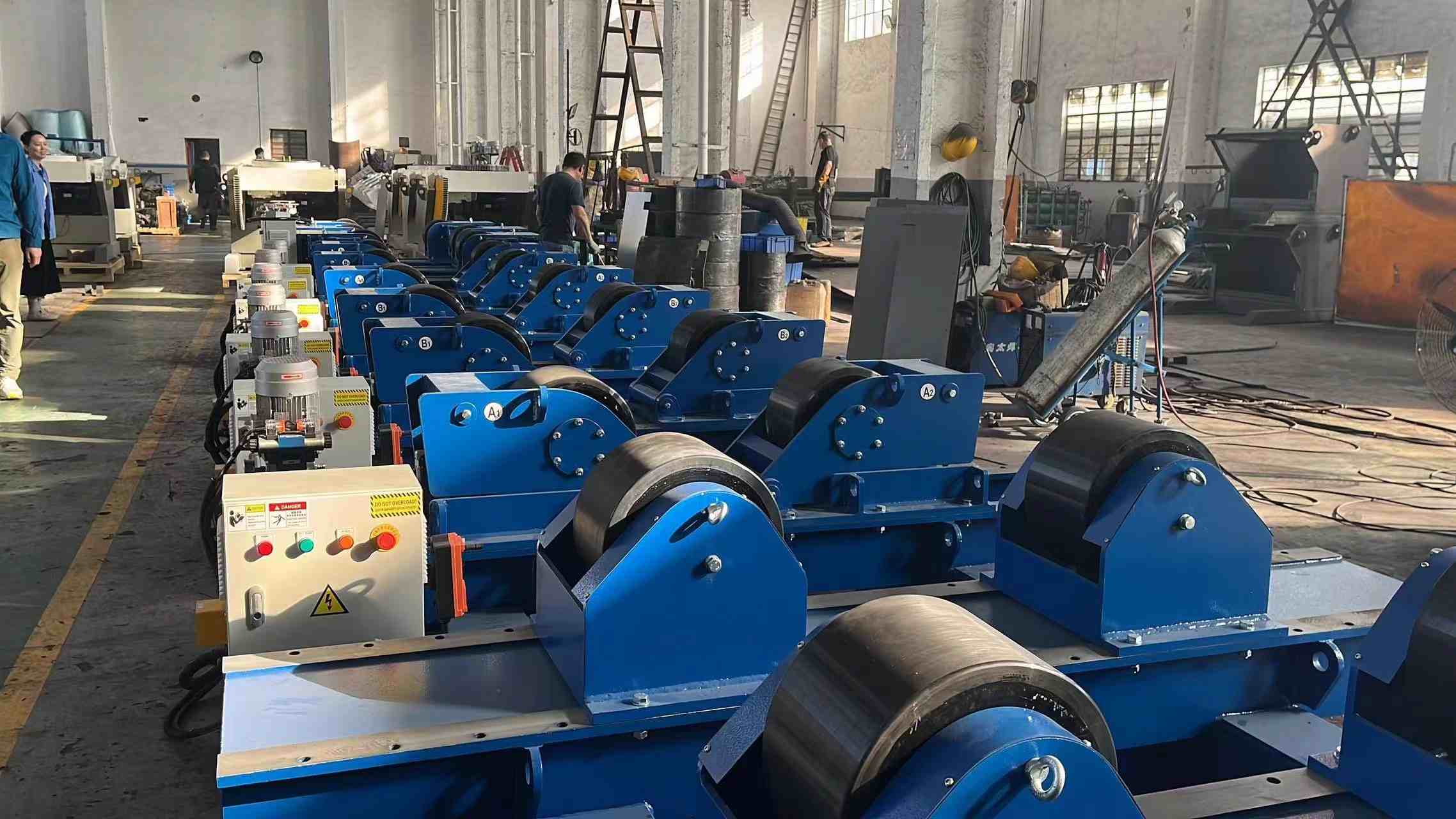
The recurring issue I see is a gap between the glass supplier and the metal fabricator. The glass comes in to a catalog size, the frame is fabricated to a different tolerance, and the gasket gets asked to absorb the difference. That approach works until the pressure or temperature envelope tightens.
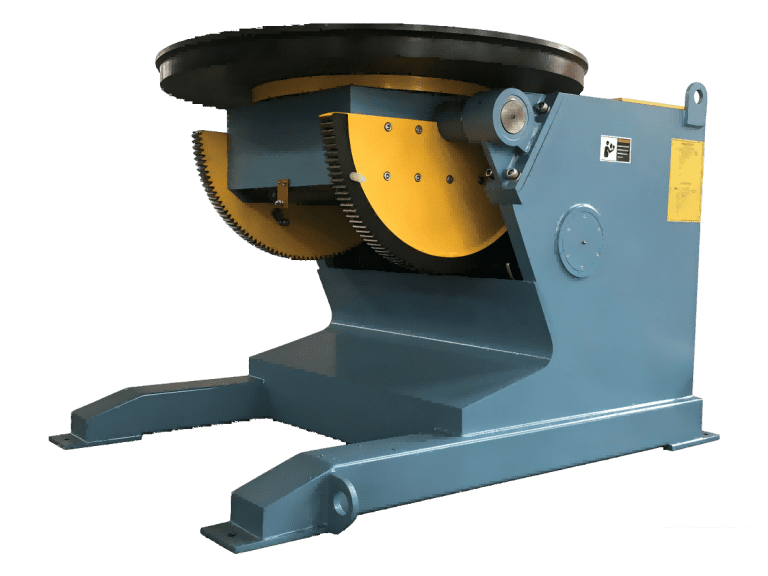
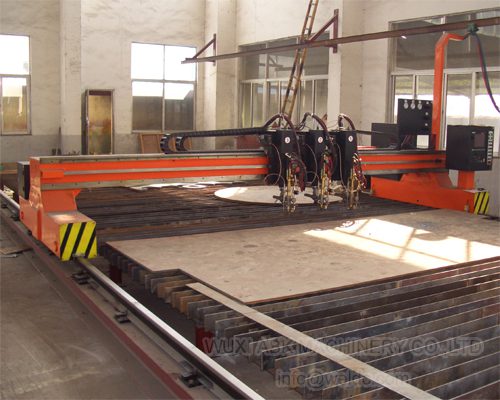
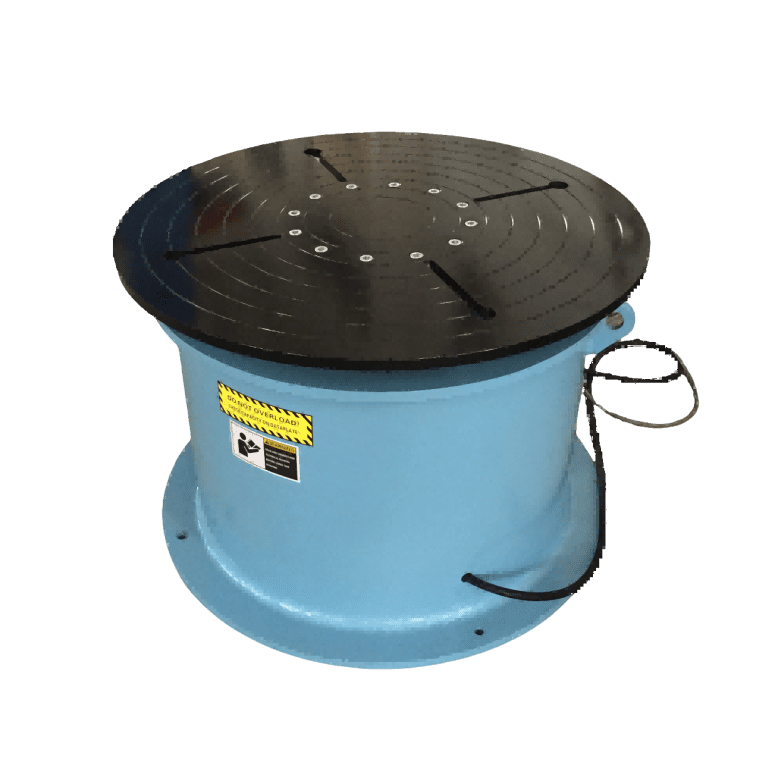
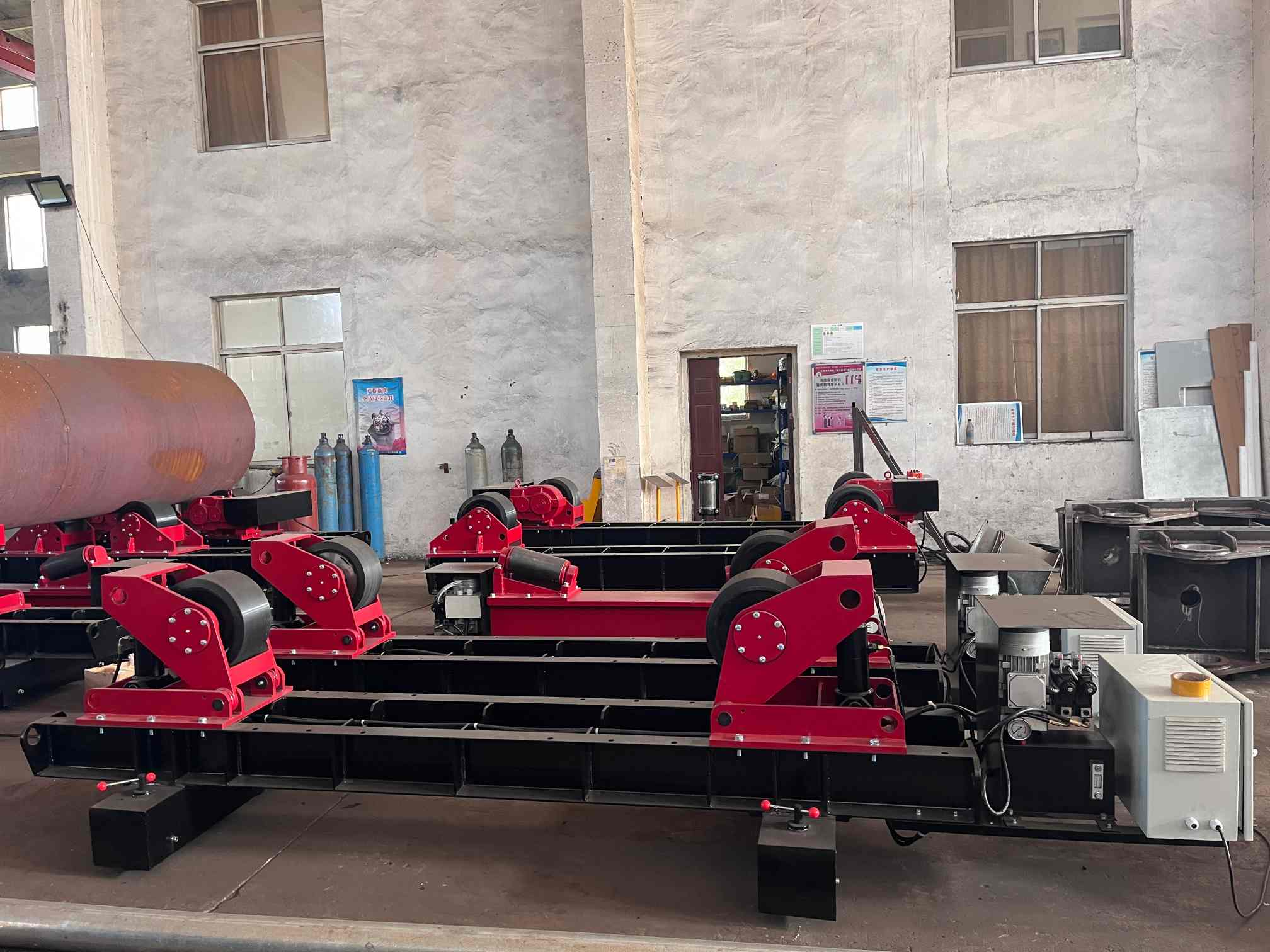
Wuxi ABOKE Machinery handles the metal side of autoclave assemblies with CNC cut openings, welded frames, doors, and mounting rings built to match the glass drawing. The frames and welded assemblies are made under the same ISO and CE quality system used for our welding equipment. When the frame is cut and welded from the same data as the glass specification, the sealing surface stays flat and the load path stays predictable. If you are working on an autoclave door, a sight port, or a replacement window frame, send the glass drawing, operating pressure, and cycle temperature to [email protected] or call +86 13616174307. We will confirm the frame and gasket fit before you order, so the glass and the metal arrive as one matched system.
What Questions Do Buyers Ask About Autoclave Glass?
Is borosilicate always the right autoclave glass?
No. Borosilicate handles thermal shock well and is a common choice for steam sterilizers, but it is not automatically correct for high pressure or impact loaded positions. If the window takes mechanical load, direct operator access, or rapid decompression, an aluminosilicate or laminated option may be better even at the same temperature range. Match the material to the dominant stress, not to the word autoclave.
Can autoclave glass be cut to size on site?
It depends on the glass type. Tempered and laminated panes cannot be field cut without losing their rated strength. Some annealed or soda lime glass can be cut, but edge finishing still determines how the pane performs under pressure. Have the supplier cut and edge finish the pane to the final opening dimensions from the start. If your existing frame is worn or distorted, confirm the opening size before ordering the replacement glass. Send us the frame drawing and we will check whether the sealing face needs rework before the glass goes in.
When should autoclave glass be replaced?
Replace the pane when you can see edge chips, deep surface scratches, haze spreading from the seal area, or distortion that changes the view. Small marks far from the edge are usually cosmetic and can be logged for the next inspection. Defects at or near the sealing line are different; they act as stress risers under pressure. A window with a visible rim defect should be taken out of service until a qualified inspector has confirmed the condition. This is not a spot where a wait and see approach pays off.
Does thicker glass always handle higher pressure?
Not by itself. Thicker glass handles more uniform pressure, but the edge support, gasket stiffness, and frame flatness determine how much load actually reaches the pane. A thick pane in a poorly supported frame can still fail at the edge. If your autoclave runs beyond the original design pressure, send the operating pressure, temperature range, and current opening dimensions to [email protected]. We will confirm whether the frame and gasket need to change along with the glass.
If you’re interested, check out these related articles:
Achieve Production Success With One-Stop Welding Automation
Tube to Tube Automatic Welding for Boiler Header Joints
Welding Manipulators for Storage Tanks: Girth and Seam Automation