Wind Tower Welding Lines: Optimize Design for Maximum Output
Table of Contents
- Understanding Wind Tower Welding Production Systems
- Essential Equipment for Wind Tower Welding Lines
- Strategic Layout and Workflow Optimization for Wind Tower Production
- Maximizing Wind Tower Welding Production Capacity and Throughput
- Ensuring Quality, Safety, and Compliance in Wind Tower Welding
- Frequently Asked Questions
- What are the essential equipment components of a wind tower welding line?
- What are the key considerations for designing an efficient wind tower welding factory layout?
- How can a wind tower welding production line optimize its output capacity?
- What is the typical lifespan of a wind tower welding production line?
- How quickly can a new wind tower welding line be commissioned?
- Are there specific certifications required for wind tower welding processes?
- What are the main energy consumption considerations for these production lines?
- Partnering for Peak Wind Tower Production
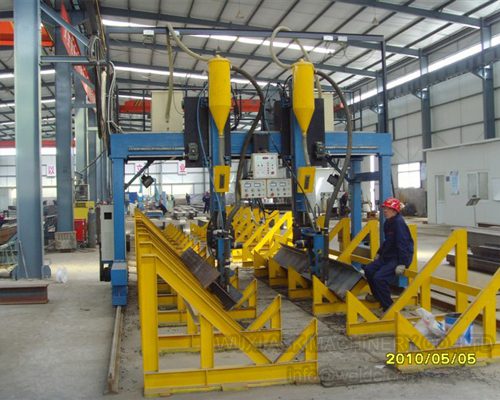
Designing efficient wind tower welding lines requires a deep understanding of heavy fabrication processes and advanced automation. These specialized production systems are critical for manufacturing the large, robust segments that form modern wind turbines. My experience shows that meticulous planning, from equipment selection to factory layout, directly impacts both production efficiency and the structural integrity of the final product. Achieving peak production means integrating technology and workflow seamlessly.
Understanding Wind Tower Welding Production Systems
Wind tower fabrication relies on integrated production systems that combine various welding and material handling technologies. These systems are engineered to manage the immense scale and weight of tower sections, often involving plates several meters wide and many tons heavy. The goal is to produce high-quality, structurally sound segments consistently and efficiently.
Automated welding systems play a central role, minimizing manual labor while maximizing precision and repeatability, which are paramount for wind turbine component manufacturing. A well-designed system not only accelerates production but also significantly reduces the potential for human error in complex heavy fabrication equipment. I have seen operations where poor system integration led to constant rework cycles, while comparable facilities with properly sequenced automation achieved first-pass rates above 95% on the same tower specifications.
Essential Equipment for Wind Tower Welding Lines
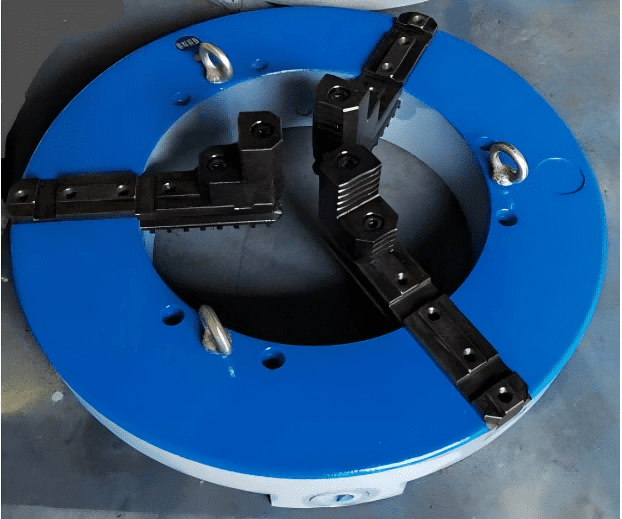
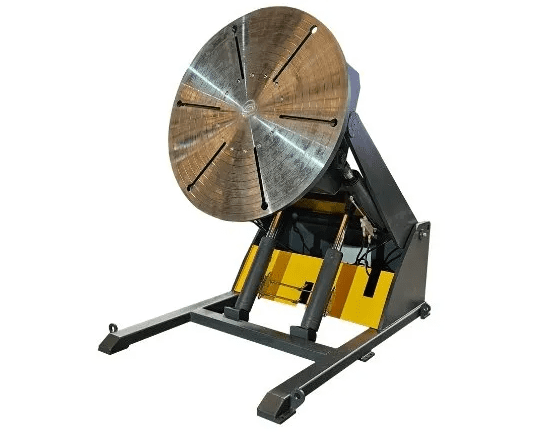
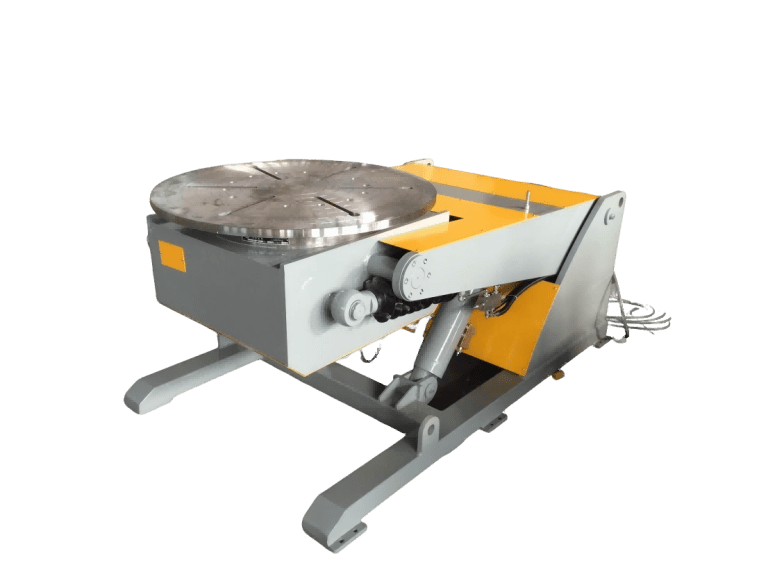
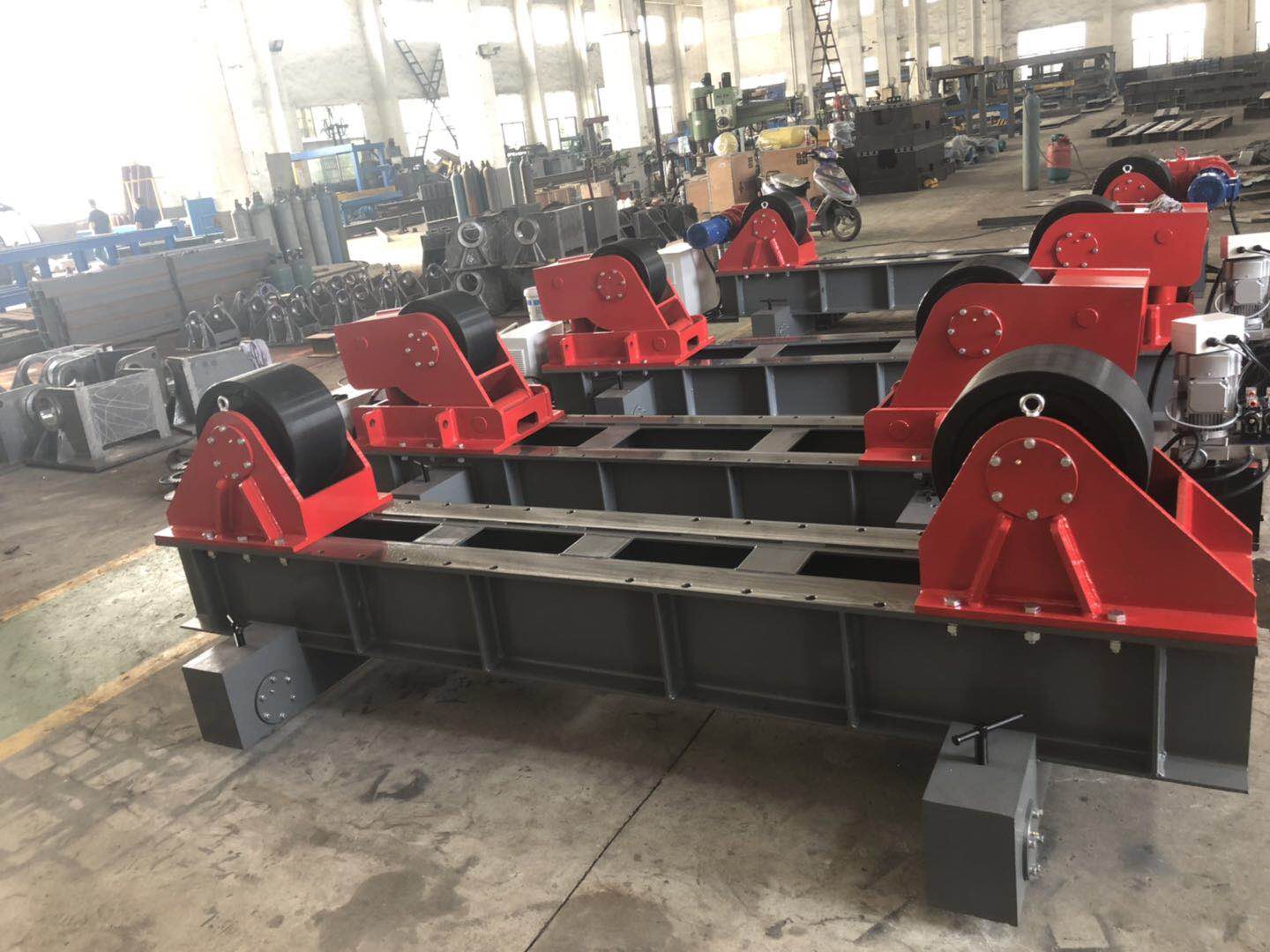
The core of any effective wind tower welding line consists of specialized machinery designed for precision and heavy-duty operation. These components work in concert to form a streamlined process. Submerged arc welding (SAW) is a primary method for both longitudinal seam welding and girth seam welding, offering high deposition rates and deep penetration. Welding manipulators precisely position the welding head, while rotators and positioners handle and rotate the massive tower segments. Fit-up stations are crucial for accurately aligning segments before welding.
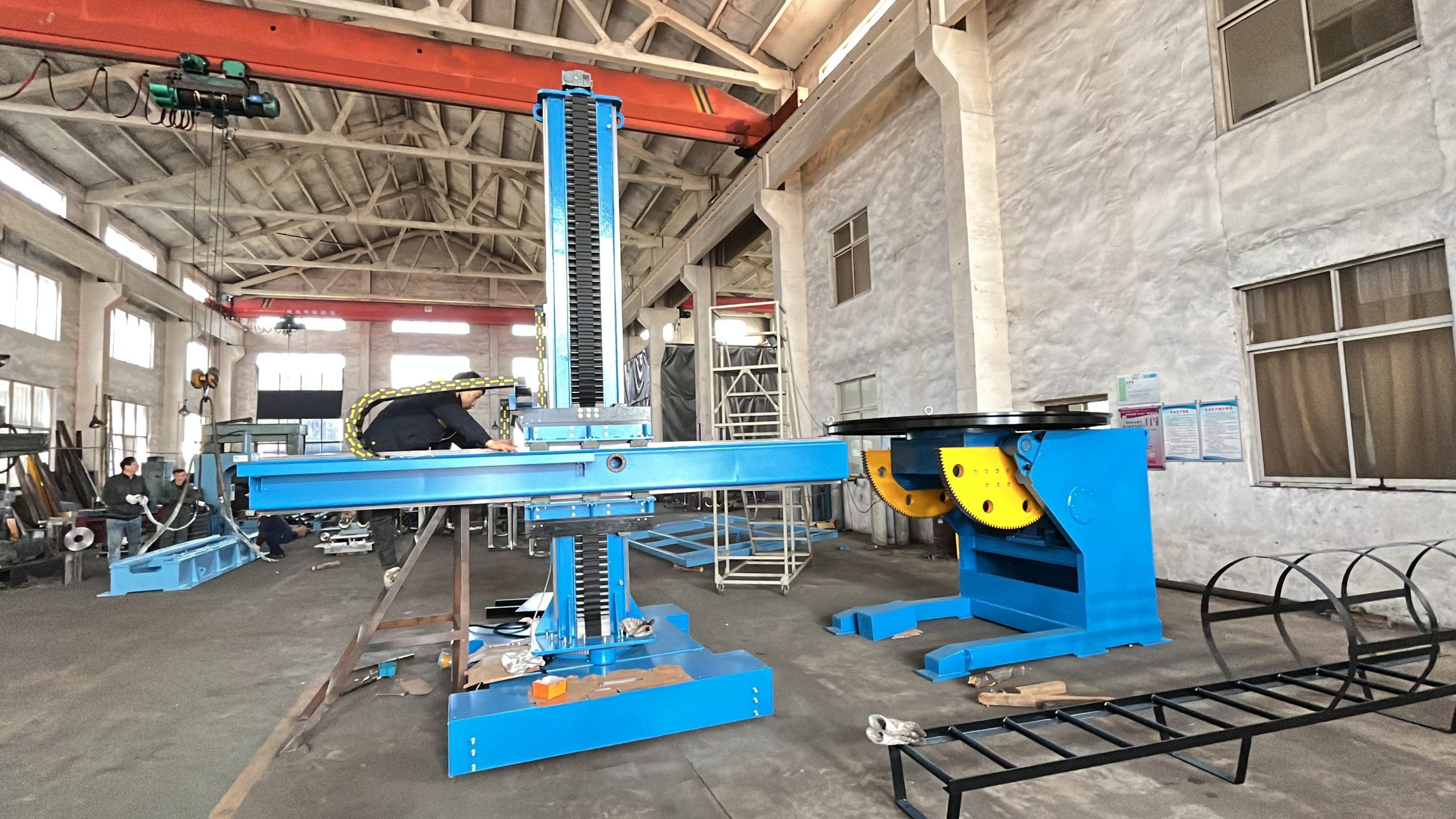
I recall a project where a client struggled with inconsistent weld quality on large diameter sections. We recommended upgrading their conventional manipulators to a more advanced system with integrated laser tracking. This change, combined with optimized welding power sources and parameters, allowed them to achieve a 98% first-pass weld quality rate, significantly reducing rework and increasing throughput by 15% within three months. WUXI ABK’s expertise in specialized welding manipulators and fit-up equipment ensures precision and reliability in wind tower segment assembly.
| Equipment Type | Primary Function | Key Benefit for Wind Tower Welding |
|---|---|---|
| Welding Manipulator | Positions welding head | Precise, stable weld bead placement |
| Rotators/Positioners | Rotates/tilts workpieces | Ergonomic access, consistent speed control |
| Fit-Up Station | Aligns tower segments | Accurate pre-weld assembly |
| SAW System | High-deposition welding | Fast, high-quality thick plate welds |
Strategic Layout and Workflow Optimization for Wind Tower Production
An efficient factory layout is fundamental to optimizing workflow and minimizing production bottlenecks in wind tower production. Material handling systems, such as heavy-duty cranes and transfer carts, must be integrated to ensure seamless movement of large segments between stations. The layout should support a logical progression from plate preparation and rolling to segment assembly, welding, and final inspection.
This approach reduces non-value-added time and improves overall production line efficiency. WUXI ABK’s experience in designing integrated systems can help clients achieve seamless material flow and maximize operational efficiency.
Maximizing Wind Tower Welding Production Capacity and Throughput
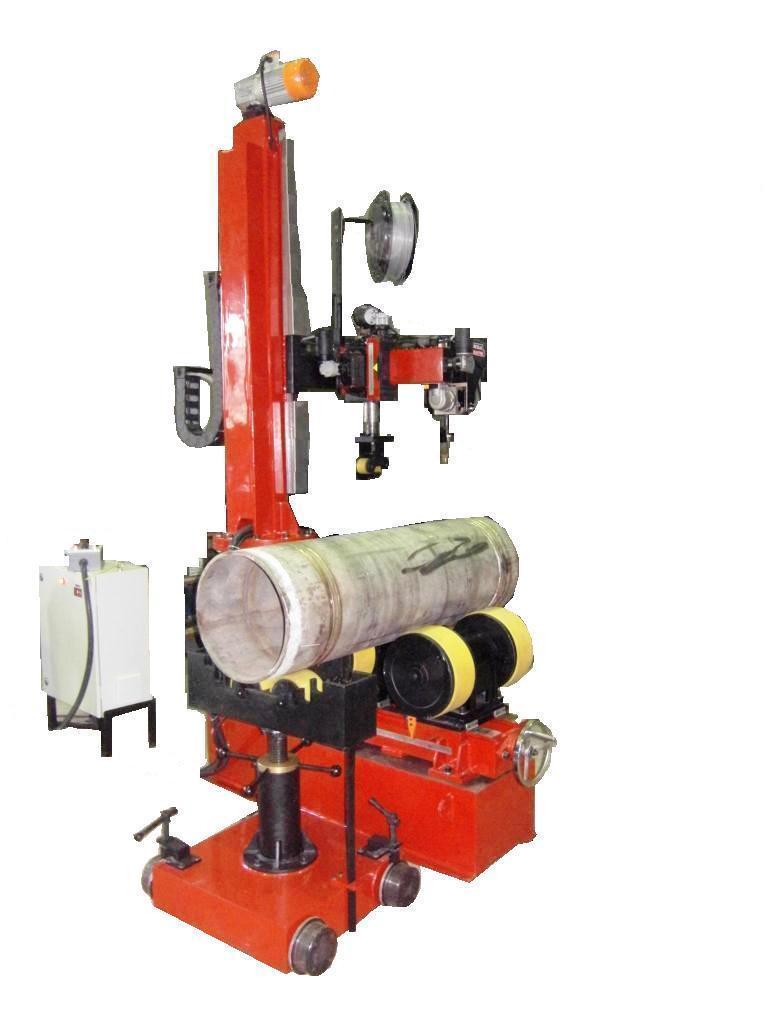
To maximize wind tower welding production capacity and throughput, manufacturers must focus on several strategies. Automation is paramount. Implementing advanced automated welding systems reduces cycle times and increases consistency. Welding process optimization, such as using tandem SAW or multi-wire processes, significantly boosts deposition rates.
Digital welding solutions provide real-time monitoring and data analysis, allowing for continuous improvement and predictive maintenance. Cost-effectiveness of automation is realized through reduced labor costs, higher quality output, and increased production volume. If your facility is evaluating capacity upgrades, it is worth discussing deposition rate targets and current bottleneck locations before committing to specific equipment configurations.
Ensuring Quality, Safety, and Compliance in Wind Tower Welding
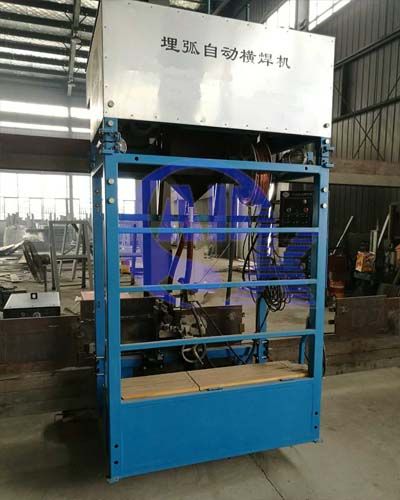
Maintaining high quality, ensuring safety, and adhering to international standards are non-negotiable in wind tower welding. Quality control in welding involves rigorous inspection at every stage, from material incoming to final non-destructive testing (NDT). Techniques like ultrasonic testing, radiographic inspection, and magnetic particle testing verify weld integrity.
Safety standards in welding require robust equipment design, proper ventilation, and comprehensive training for skilled welding labor. Regular maintenance of welding equipment is also essential to prevent breakdowns and ensure consistent performance. WUXI ABK’s adherence to European standards and ISO/CE certifications provides a foundation for robust quality control and safe operations.
Frequently Asked Questions
What are the essential equipment components of a wind tower welding line?
The essential components of a wind tower welding line include welding manipulators, self-aligning rotators, fit-up stations, and advanced submerged arc welding (SAW) systems. These are complemented by material handling systems, powerful welding power sources, and comprehensive quality control tools. Each part contributes to the precise and efficient fabrication of large wind tower sections, ensuring structural integrity.
What are the key considerations for designing an efficient wind tower welding factory layout?
Key considerations for an efficient wind tower welding factory layout include optimizing material flow to minimize transport distances, ensuring adequate space for large segment handling and rotation, and strategically placing welding stations to reduce idle time. Safety zones, access for maintenance, and integration of non-destructive testing (NDT) areas are also vital for a smooth and productive operation.
How can a wind tower welding production line optimize its output capacity?
A wind tower welding production line can optimize output capacity by integrating advanced automation, such as tandem SAW systems for faster welding, and intelligent material handling to reduce bottlenecks. Implementing digital solutions for real-time process monitoring and predictive maintenance also minimizes downtime. Streamlining segment assembly and optimizing welding process parameters are equally important for enhancing throughput.
What is the typical lifespan of a wind tower welding production line?
The lifespan of a wind tower welding production line typically ranges from 15 to 25 years, heavily depending on regular maintenance, equipment quality, and technological upgrades. Investing in durable heavy fabrication equipment and proactive servicing significantly extends operational longevity and ensures consistent performance.
How quickly can a new wind tower welding line be commissioned?
Commissioning a new wind tower welding line usually takes 6 to 12 months, encompassing design, manufacturing, installation, and testing phases. Factors like customization, site readiness, and the complexity of automated welding systems can influence the overall timeline, requiring meticulous project management.
Are there specific certifications required for wind tower welding processes?
Yes, wind tower welding processes often require adherence to international standards like ISO 3834, AWS D1.1, and specific European norms (e.g., EN 1090) for structural steel fabrication. These certifications ensure weld quality, material integrity, and overall safety in wind tower fabrication, critical for regulatory compliance.
What are the main energy consumption considerations for these production lines?
Energy consumption in wind tower welding lines is primarily driven by welding power sources, material handling systems, and heat treatment processes. Optimizing welding process parameters through efficient equipment and smart energy management strategies can significantly reduce operational costs and environmental impact. To discuss your specific requirements, contact WUXI ABK at [email protected] or +86 13616174307.
Partnering for Peak Wind Tower Production
Achieving consistent weld quality and structural integrity for large-scale wind tower segments does not have to be a challenge. WUXI ABK MACHINERY CO., LTD helps manufacturers overcome the complexities of wind tower fabrication by providing high-quality, ISO/CE certified welding equipment and integrated production line solutions. Contact us today to discuss how our expertise can optimize your wind tower welding operations at [email protected] or +86 13616174307.
If you’re interested, check out these related articles:
Welding Rotator vs Manual Pipe Welding: Productivity & Cost Efficiency