Welding Techniques in Industry: Basics, Benefits and Uses
Table of Contents
- What Are the Main Welding Techniques Used in Industrial Fabrication?
- How Do Arc Welding Techniques Compare for Strength and Speed?
- Which Welding Technique Works Best for Automated Production Lines?
- What Benefits Do Correct Welding Techniques Deliver in Pipe and Plate Work?
- How Do You Start Sourcing the Right Welding Equipment?
- What Else Should Buyers Ask About Welding Techniques?
- Which welding technique is easiest to control for a new fabrication team?
- Is MIG welding always faster than TIG welding?
- Why does part position affect the welding technique more than the weld itself?
- Does automation make sense for small batch work?
Most welding technique discussions stop at MIG, TIG and stick. In an industrial workshop, that is where the real decisions begin. Welding techniques affect weld quality, operator productivity, and the equipment that surrounds every seam. After twelve years and many automated welding lines, I treat process selection as a production problem, not a classroom comparison. The right choice depends on joint access, material thickness, and whether the part can be positioned for downhand welding. This article explains the main welding techniques, how they compare, and how to match them to practical fabrication work.
What Are the Main Welding Techniques Used in Industrial Fabrication?
In industrial fabrication, the main techniques are gas metal arc welding (GMAW), gas tungsten arc welding (GTAW), shielded metal arc welding (SMAW), flux cored arc welding (FCAW), and submerged arc welding (SAW). Each process uses a different power source and consumable path, and each behaves differently when a joint is out of position or when a weld must be repeated over dozens of identical parts. GMAW feeds a continuous wire and is common for medium thickness plate. GTAW gives the operator precise heat control and is used where bead appearance and low spatter matter. SMAW remains useful outdoors and in field repair because it carries its own shielding gas. FCAW adds a flux core to the wire and handles higher deposition on structural steel. SAW is the workhorse for long straight or circumferential seams in heavy fabrication. The technique itself is only half the decision; the part must be held so the weld can run in flat position whenever possible.
How Do Arc Welding Techniques Compare for Strength and Speed?
Strength and speed rarely rise and fall together. GMAW has a high deposition rate and is easy to mechanize, but it can leave spatter and is sensitive to wind. GTAW produces clean, strong joints in stainless and aluminum, yet it is slower and demands more skill. FCAW deposits weld metal quickly on heavy sections, especially when the shop is not fully enclosed. SMAW is the least productive by deposition rate, but it is the most forgiving when the preparation is rough or the weather is against you. SAW runs at the highest deposition rate of the group, though it only works well in flat or nearly flat positions. The table below summarizes the tradeoffs that matter before a fabricator picks a primary process.
| Process | Deposition rate | Cleanup and spatter | Automation fit |
|---|---|---|---|
| GMAW | High | Moderate spatter | Strong with positioners |
| GTAW | Low to moderate | Low spatter | Strong for thin wall and stainless |
| FCAW | High | Moderate spatter | Strong for structural seams |
| SAW | Very high | Low spatter, slag removal needed | Strong with manipulators and rotators |
SMAW sits on the low end of deposition rate and is usually assigned to short repair welds rather than long production seams.
Which Welding Technique Works Best for Automated Production Lines?
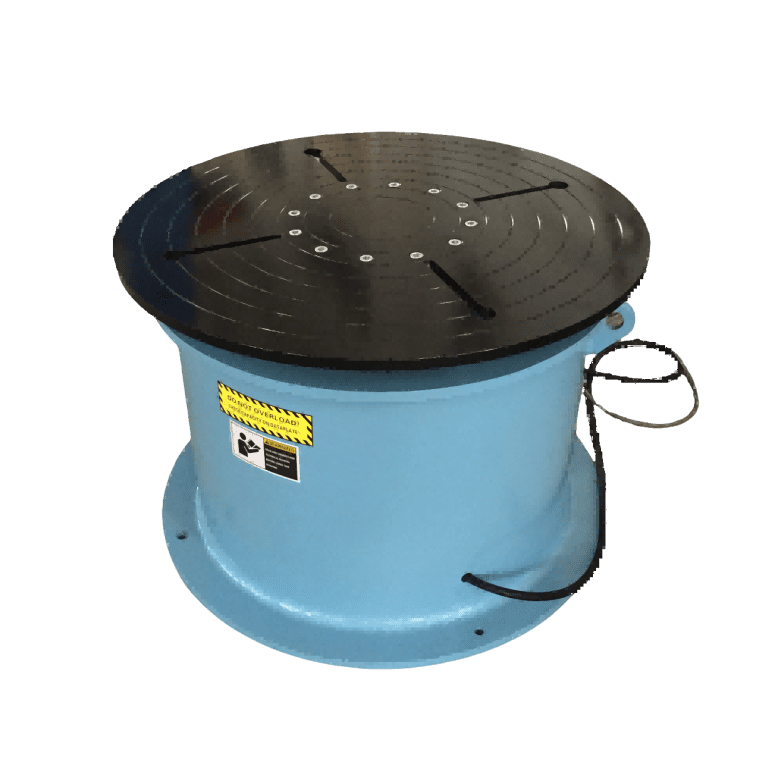
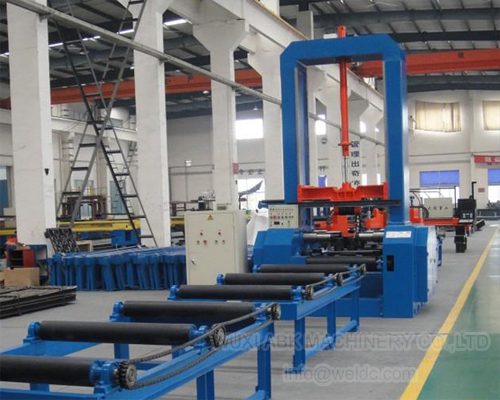
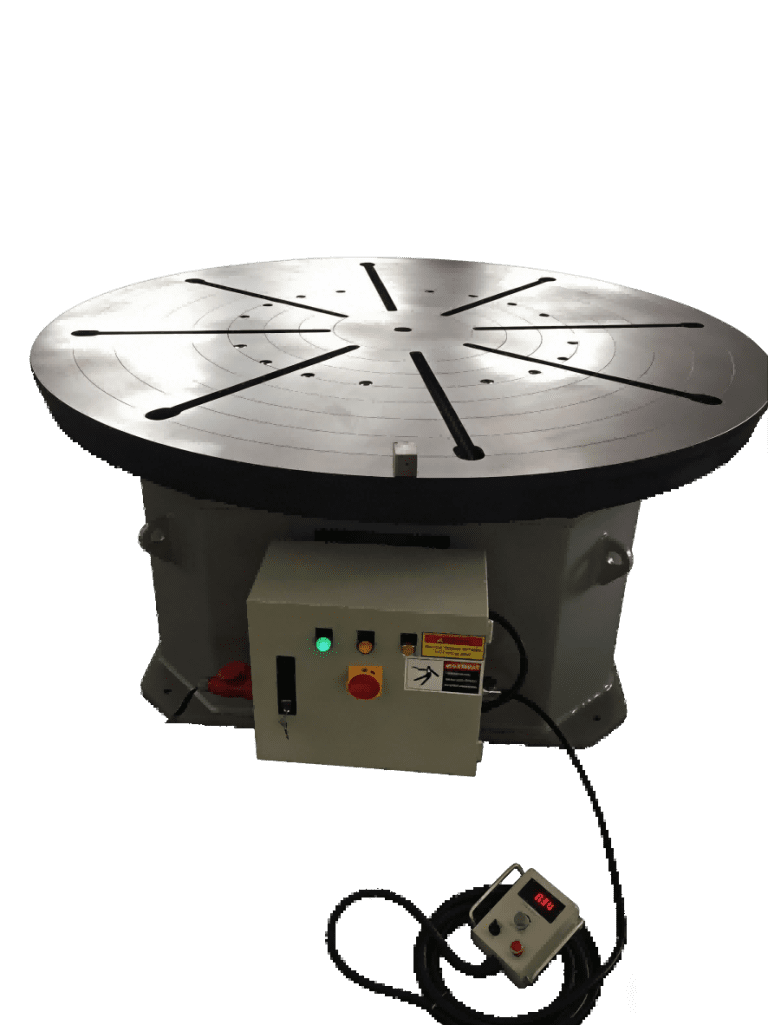
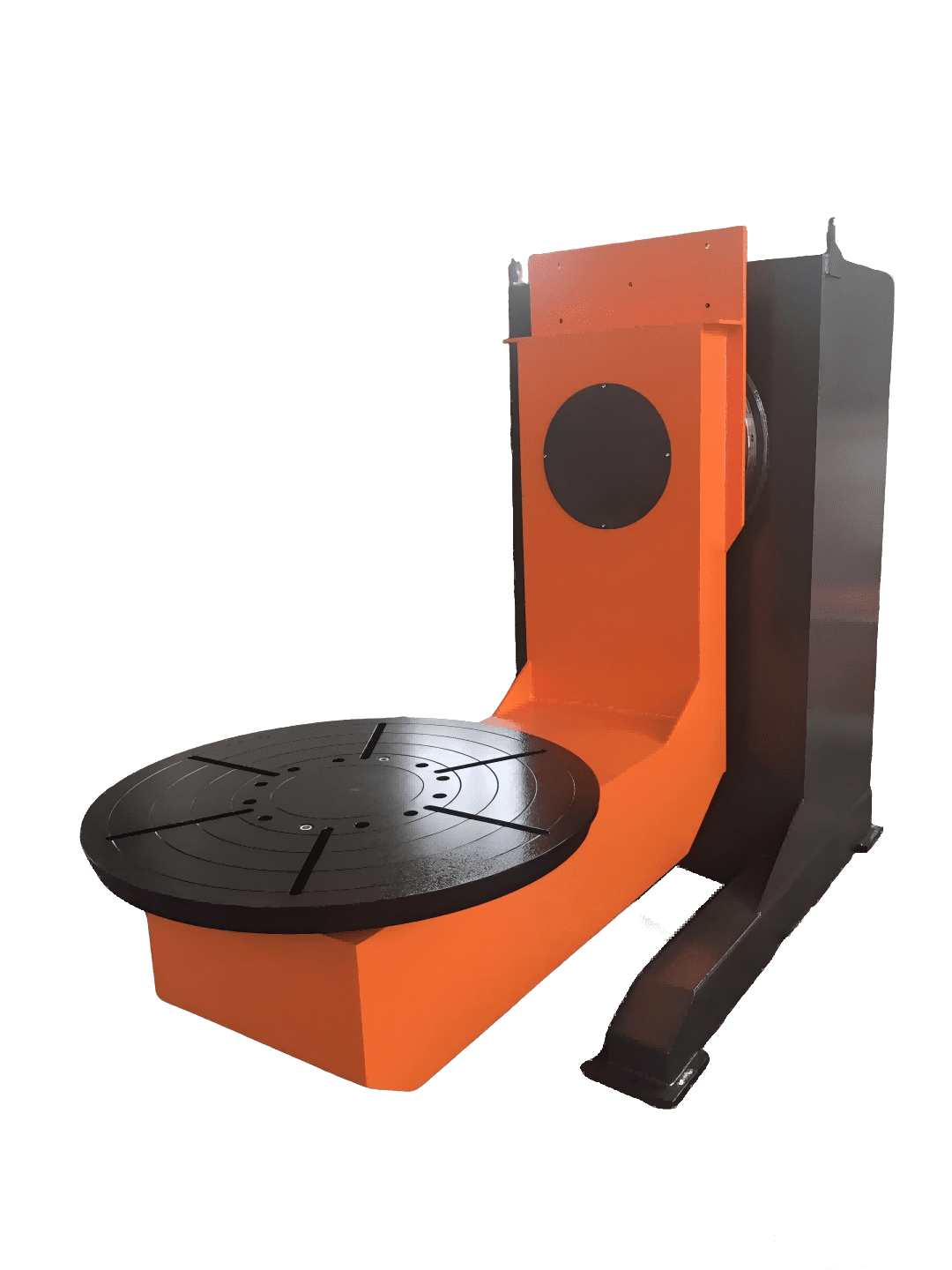
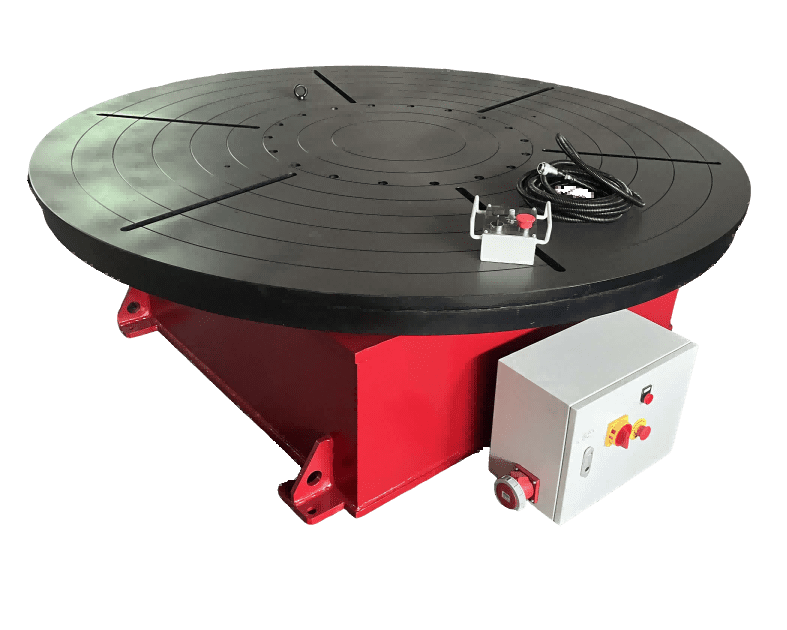
Automated lines reward techniques that run at constant arc length and tolerate repeatable parameters. SAW and FCAW lead this group because they deposit material quickly and do not require manual arc correction when the part is held in position. GTAW suits automation when wall thickness is thin and the weld must meet strict visual or internal standards, as in stainless pipe work. GMAW works well on short and medium seams where a robot or carriage controls travel speed. What matters more than the process is the supporting equipment. A fixed positioner or an adjustable rotator holds the joint in the flat position, which is the same reason automatic welding outperforms manual welding on pipe and circular parts. At WUXI ABK MACHINERY, we have applied this logic to pipeline welding and cutting cells: the process is selected after the part motion is solved, not before.
If your project involves circumferential welds on vessels over 1,500 mm in diameter, it is worth confirming load capacity and anti-drift control before you finalize the equipment list. Send your vessel diameter, shell thickness and material grade to [email protected].
What Benefits Do Correct Welding Techniques Deliver in Pipe and Plate Work?
Choosing the right welding technique changes the cost of the entire program, not just the weld metal. On pipe work, the goal is to place the root pass with enough penetration and then make the fill passes without trapping slag. GTAW is often selected for the root because it gives the welder control over the keyhole. FCAW or GMAW can then complete the fill faster. On plate, SAW or FCAW reduces the number of passes and keeps the heat input steady across a long seam. The benefit appears at inspection: fewer arc stops, less undercut, and a cleaner profile mean less grinding before ultrasonic testing. A shop that chooses the process around the positioner and the part geometry will usually see lower rework than a shop that welds every joint with the same process. ISO and CE compliance on the equipment side does not replace process control, it just confirms that the machine can hold the required settings.
How Do You Start Sourcing the Right Welding Equipment?
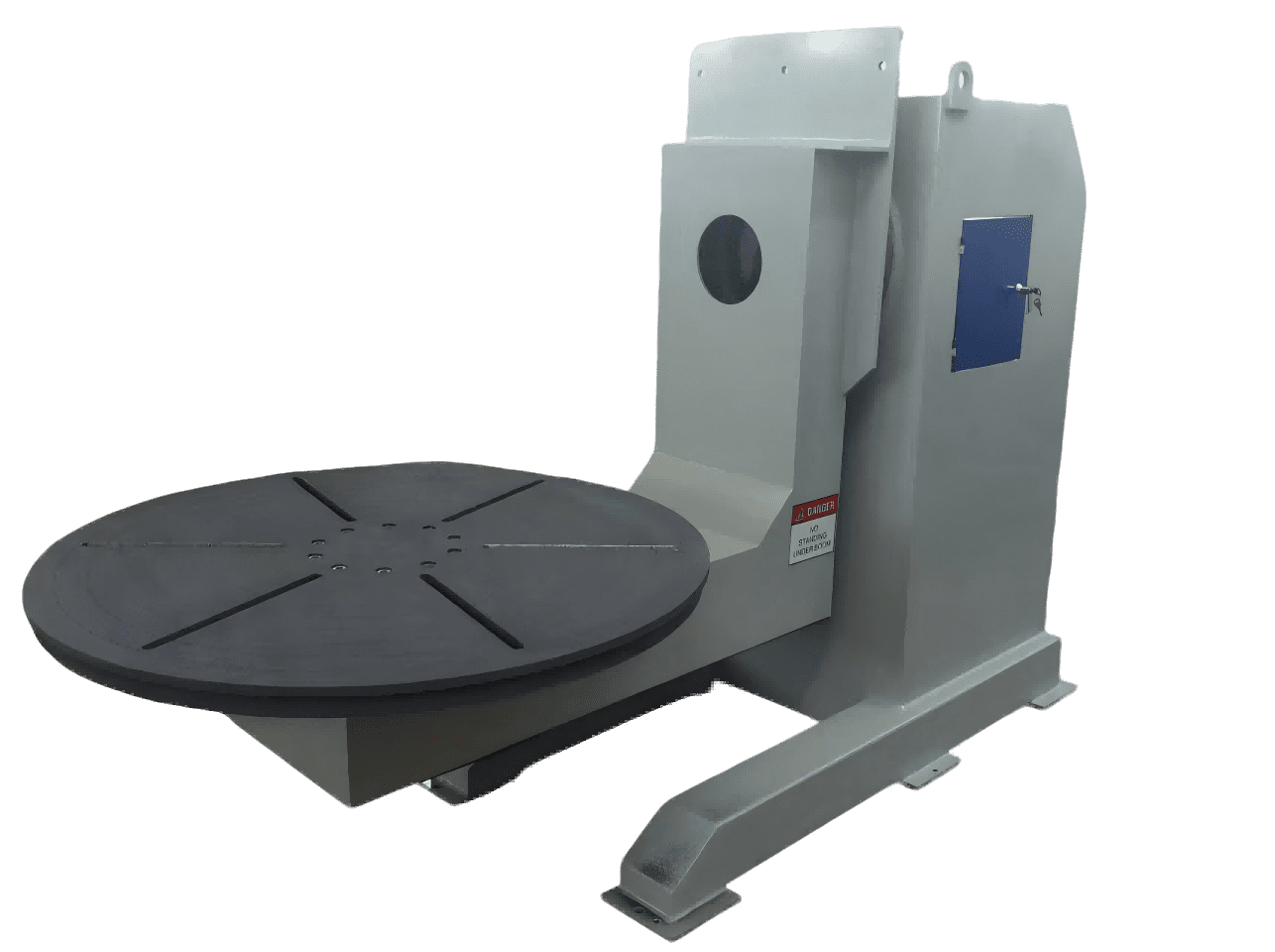
Most sourcing problems start when a buyer separates the welding power source from the positioner and the rotator. The result is a machine that welds well but a workstation that cannot hold the part in the right orientation. WUXI ABK MACHINERY treats this as one decision. We review the joint geometry, the material grade, the annual part volume and the available workshop space before proposing equipment. Send your part drawings, material grade, wall thickness, and monthly output to [email protected] or call +86 13616174307. We will return a technical recommendation that names the welding techniques and the workholding layout that fit your program.
What Else Should Buyers Ask About Welding Techniques?
Which welding technique is easiest to control for a new fabrication team?
GMAW is usually the easiest process for a new team to control. The wire feeds continuously, the arc length stays stable, and the settings are easier to record and repeat. The tradeoff is that GMAW still requires clean material and reasonably good fit up. If the joint has rust, gaps or uneven edges, a new welder will spend more time fighting spatter than learning the weld. For that reason, many shops start training on GMAW for clean plate and move to SMAW when work moves outdoors or onto rough field repair.
Is MIG welding always faster than TIG welding?
Many buyers assume MIG is always the fastest option. That assumption breaks down when a weld requires frequent stops, small-diameter pipe access, or finishing work that adds time after the arc is out. TIG can be the faster overall choice on thin stainless and aluminum because it produces less spatter and often leaves a cosmetic finish that needs no cleanup. At the production level, speed should be measured from joint preparation through inspection, not only as arc burning time.
Why does part position affect the welding technique more than the weld itself?
If the part is small and can be rotated by one operator, position is only a minor factor. If the part weighs three tons or has an irregular center of gravity, position controls the cycle time and the defect risk. A heavy cylindrical section that cannot be turned easily will force the welder into overhead or vertical work, and no process change will recover as much time as a rotator or an adjustable positioner. This is why we ask about part movement before we recommend a technique.
Does automation make sense for small batch work?
Small batch work is less about batch size and more about repeatability. If a shop welds the same pipe or frame joint every week, a compact rotator or positioner can reduce handling time even at five or ten parts per month. We have seen mixed short-run work where one rotator and one standard power source replaced three manual stations on different days. The setup pays back through shorter changeover and better bead consistency, not through volume alone. Share your part geometry and typical batch size, and we will confirm which compact setup fits before you buy.
If you’re interested, check out these related articles:
One-Stop Welding Automation: Build a Complete Production Line Setup
Precision Positioning for Pipe and Shaft Welding Workpieces
Column and Boom Manipulators for Large Vessel Precision Weldin
Storage Tank Fabrication: Core Equipment and Manufacturing Process
Enhance Welding Productivity: 50% Efficiency Improvement