Welders Chalk: Practical Grades, Uses and Marking Tips
Table of Contents
- What Is Welders Chalk Made Of?
- Which Welders Chalk Grade Fits Your Welding Process?
- How Do You Mark Steel Without Contaminating the Weld?
- When Does Welders Chalk Outperform Other Marking Tools?
- Need a Reliable Marking and Fixturing Setup for Heavy Fabrication?
- What Else Should Buyers Ask Before Stocking Welders Chalk?
- Is welders chalk the same as soapstone?
- Can welders chalk cause porosity?
- Does welders chalk mark stainless steel clearly?
- Should buyers keep a paint marker for cut lines instead of chalk?
A layout mark that disappears halfway through a fit-up costs more than a box of welders chalk. In shop work, the choice of marking material is part of weld preparation, not a finishing detail. Welders chalk, usually a talc-based soapstone, gives fabricators a visible, heat-tolerant reference line that does not need to be removed before welding. I have seen marking failures that caused parts to be cut short and fit-up checks to be repeated because the original reference line was lost or replaced with a contaminating marker. This article covers the grades, selection criteria, and marking habits that keep welders chalk working in heavy fabrication.
What Is Welders Chalk Made Of?
Welders chalk is not school chalk, although both start from soft mineral bases. The product used in fabrication is soapstone, a metamorphic rock in which the main mineral is talc. Talc is a hydrated magnesium silicate soft enough to transfer onto steel as a fine, dry line without deep scratching. Most welders chalk also contains minor amounts of chlorite, magnesite, or quartz, depending on the deposit. For welding, the useful property is not the line color alone. A clean talc line stays visible through heat and mechanical handling while leaving a low-residue surface. That distinction matters when a part moves from layout to fit-up, then to a positioner or rotator, and finally to the weld zone.
Which Welders Chalk Grade Fits Your Welding Process?
Welders chalk is sold in two common forms: round holders and rectangular bars. The round form fits a soapstone holder for marking from a distance. The rectangular form gives a broad edge for long straight lines and flat plate layout. Both are talc-based in most welding uses, but quality varies with mineral purity and binder systems. A chalk that contains a hard abrasive filler may scratch stainless or aluminum, while pure talc leaves a soft transfer line. For carbon steel, the main concern is visibility under preheat. For stainless steel and code work, the main concern is residual surface material before welding. When selecting welders chalk, ask for a low-aluminum talc product if the shop welds stainless or if paint adhesion follows welding.
| Marking tool | Typical use | Behavior under heat and welding |
|---|---|---|
| Round soapstone holder | Pipe and plate cut lines | Burns away cleanly with low residue |
| Rectangular welders chalk | Long plate layout and fit-up | Leaves a visible line without deep scratching |
| Low-aluminum talc chalk | Stainless and low-alloy steel | Minimal contamination, but code work may require a wipe |
| Paint marker | Outside weld zones only | Binder can enter the weld pool and cause porosity |
| Scribe | Machined faces and permanent reference | Grooves the base metal and can become a notch or corrosion site |
How Do You Mark Steel Without Contaminating the Weld?
Marking steel well starts with surface condition. If the plate is covered in mill scale, oil, or moisture, even the best welders chalk will smear or disappear. We ask operators to wipe the line path before marking. The chalk line then goes on in one pass. Repeated back-and-forth strokes build up residue without much gain in visibility. On hot-rolled carbon steel, a light line is usually enough because the contrast is high. On stainless steel and aluminum, lighting matters more than chalk thickness.
A common failure is using a paint marker or permanent marker near a joint because it stays bright through preheat. The difference is that the binder and pigment in paint markers can enter the weld pool and create porosity. Welders chalk is designed to burn away or remain as a fine inert residue at the joint surface. That does not mean chalk is automatically safe for every code. For code stainless pipe work, some welding procedures still require solvent wiping after layout. We treat chalk as a marking step, not a cleaning step.
If your program involves stainless steel, code work, or automated fit-up, it is worth confirming the marking and fixturing setup before finalizing your BOM. Email [email protected] with the material grade and joint type.
When Does Welders Chalk Outperform Other Marking Tools?
Paint markers stay visible after wiping, but they may leave organic binder in the joint. Scribes leave no residue, but they create a local groove and can become a corrosion or fatigue site on stainless and thin-wall tube. Center punches are worse because they displace metal. Welders chalk sits in the middle: it is visible enough for layout, but it does not permanently alter the base metal. That is why it works for fit-up lines, bevel lines, and cut paths.
In our work with pipe fit-up and large vessel sections, we use soapstone for reference lines because the mark survives handling and does not act like a notch. That reduces rework from re-marking after rotation, especially on vessels that move between fit-up and welding stations. For plasma and oxy-fuel cutting, chalk lines stay visible through rough handling. For laser cutting, shops often avoid chalk because dust may collect on optics, so we keep line application light and wipe after marking when downstream machinery is sensitive. Under preheat, welders chalk can fade, so make the mark visible but not heavy.
Need a Reliable Marking and Fixturing Setup for Heavy Fabrication?
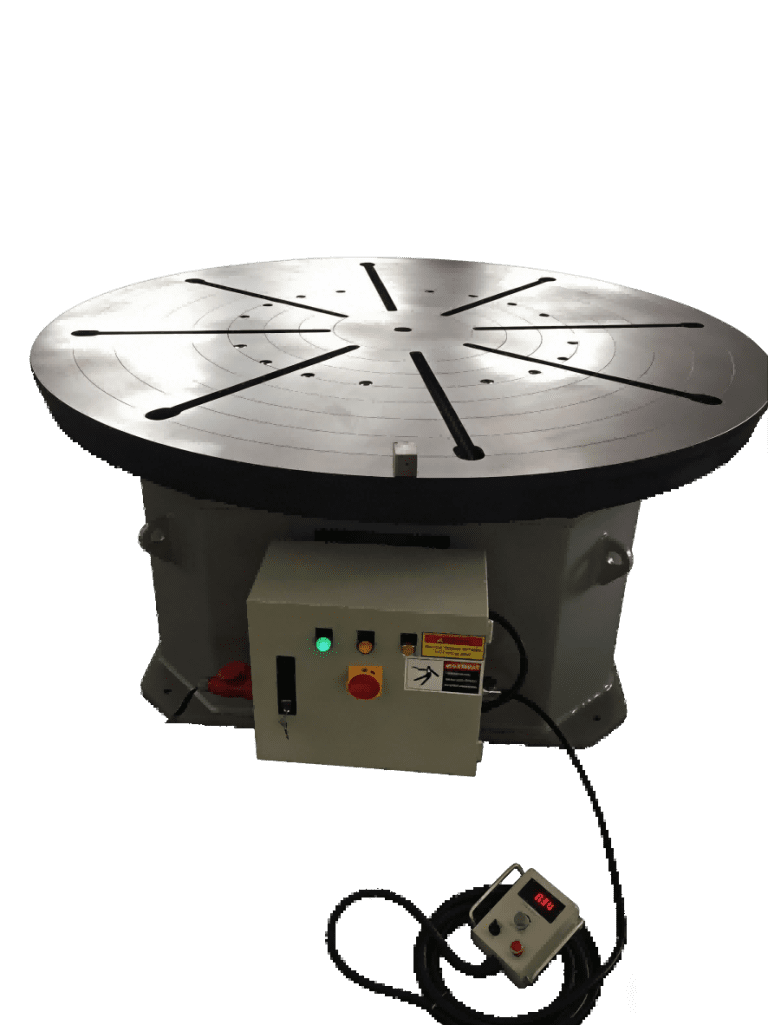
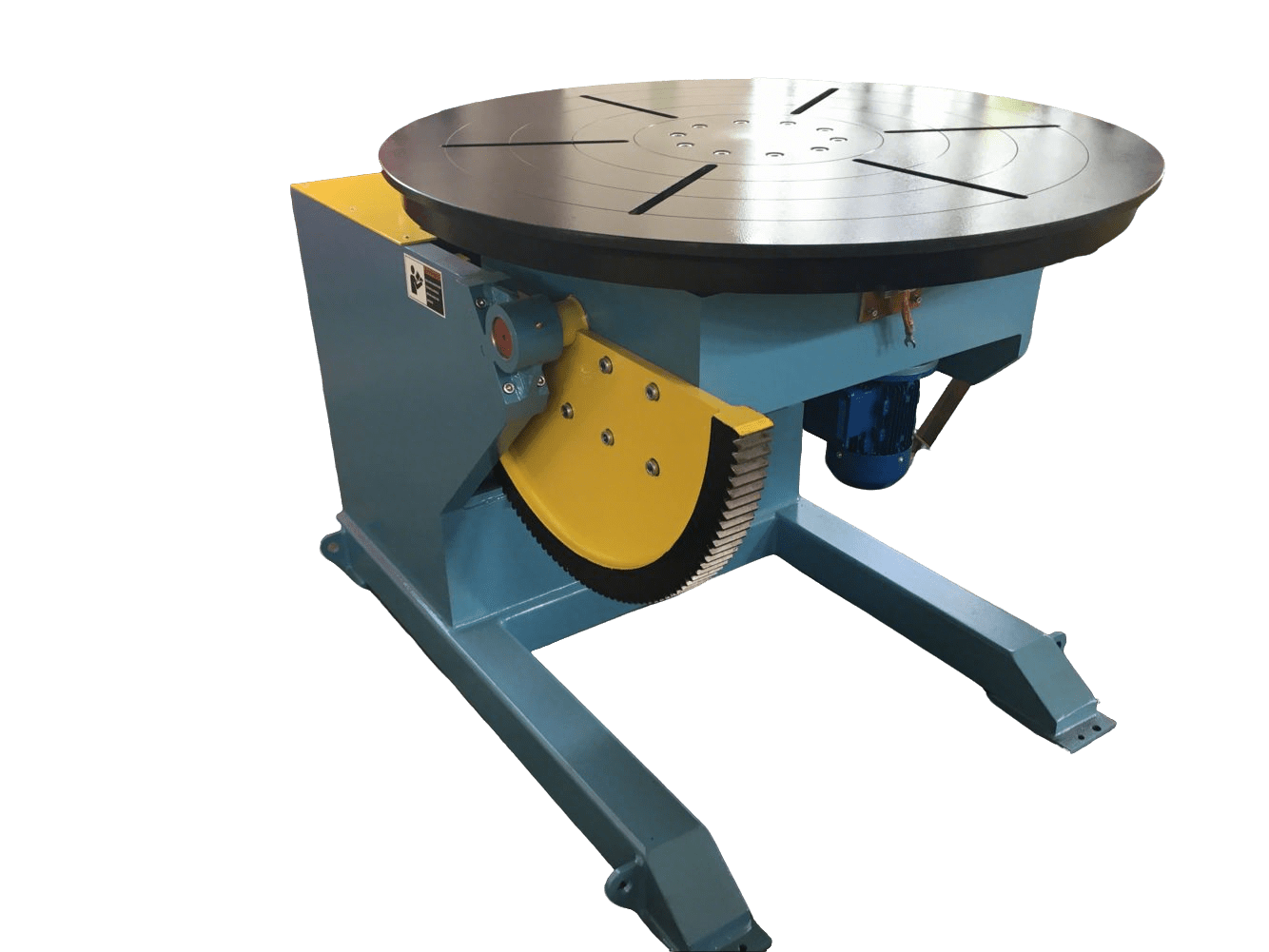
Layout and marking problems multiply when parts are large, round, or part of an automated cell. A clear welders chalk line on a workbench may be nearly invisible on a rotating vessel or inside a pipe fit-up. Wuxi ABOKE Machinery supplies welding positioners, rotators, and CNC cutting systems that keep workpieces stable during layout and fitting. If you are planning a production line or a large tank, tower, or boiler project, send your material grade, thickness, and joint details to [email protected] or call +86 13616174307. We will recommend the load capacity, rotation speed, and marking or fixturing approach that matches the line.
What Else Should Buyers Ask Before Stocking Welders Chalk?
Is welders chalk the same as soapstone?
Yes, for most welding uses the terms are interchangeable. Welders chalk is a soapstone product. The difference is mainly form and packaging. Round sticks fit a holder for marking from a distance. Rectangular bars give a broad edge for long straight layout lines. A metal marking crayon sometimes called a welder’s pencil is not the same product because it uses a different binder and pigment system. Buyers should confirm whether the packaging lists talc or soapstone if the material will be used near weld joints.
Can welders chalk cause porosity?
Only if the chalk is loaded with contaminants or applied over oil, rust, or moisture. Pure talc-based welders chalk rarely causes porosity by itself. The bigger risk comes from marking a dirty surface and then welding without cleaning. The chalk line can trap the existing film, and the weld still sees the oil or mill scale underneath. For code work, the best sequence is wipe, mark, fit, and weld. If the joint is sensitive, add a solvent wipe after marking before final fit-up.
Does welders chalk mark stainless steel clearly?
On brushed stainless, yes, but the line is often less visible than on dark hot-rolled steel. The contrast depends more on shop lighting and surface finish than on chalk quality. If bright lighting is present, a round soapstone in a holder leaves enough visibility for fit-up. On thin-gauge stainless and hygienic applications, wipe after layout because even a light residue can affect visual inspection. For polished surfaces, the operator may need to adjust the angle of the mark to catch the light.
Should buyers keep a paint marker for cut lines instead of chalk?
Buyers ask us whether a bright paint marker can replace chalk, and the answer comes down to location. Paint markers work for material identification outside the weld zone, but not for joint lines. The binder and pigment can carry into the weld and persist through preheat. Welders chalk gives a visible reference that burns away at the joint without permanent base metal damage. If your shop is standardizing marking methods for code work, share your material list and joint type with [email protected] and we will confirm the right layout and fixturing approach.
If you’re interested, check out these related articles:
CNC Water Jet Cutting: Precision, No Heat, Any Material
Welding Positioner Selection for Pressure Vessels: Key Best Practices
Automatic Girth Welding Machines: Boost Efficiency for Pipeline Projects
H-Beam Assembly: Automated Web and Flange Fit-Up Precision
Pipe Welding Rotator vs Manual Welding | Productivity and Cost Comparison