5×6 Welding Manipulator: Technical Specs, Setup and Typical Uses
Table of Contents
- 5×6 Welding Manipulator Specifications
- Setting Up a 5×6 Welding Manipulator
- Common Applications for 5×6 Welding Manipulators
- Pressure Vessel Shell Welding
- Wind Tower Section Fabrication
- Structural Column Welding
- Weld Quality Optimization with 5×6 Manipulators
- Custom 5×6 Welding Manipulator Configurations
- Common Questions About 5×6 Welding Manipulators
- What load capacity does a 5×6 manipulator typically have?
- Can I use a 5×6 manipulator for submerged arc welding?
- How long does installation and commissioning take?
- What maintenance does a 5×6 manipulator require?
- Can the 5×6 manipulator be upgraded for heavier workpieces?
A 5×6 welding manipulator represents a substantial investment in automated fabrication, but the payoff comes from matching its specifications to your production reality. Over my twelve years of engineering welding systems, I’ve seen shops underutilize high-quality equipment simply because the setup or application didn’t align with the machine’s design envelope. This article clarifies the key specs, setup procedures, and common applications for a 5×6 manipulator so you can avoid those missteps and get consistent, high-quality welds from day one.
5×6 Welding Manipulator Specifications
The “5×6” designation refers to the horizontal boom stroke (5 meters) and vertical column stroke (6 meters), though different manufacturers may define these slightly differently. Before specifying a manipulator, confirm which axis is which and whether the strokes meet your longest weld seams and tallest workpieces.
| Parameter | Typical Specification |
|---|---|
| Horizontal Boom Stroke | 5,000 mm |
| Vertical Column Stroke | 6,000 mm |
| Boom Lifting Speed | 0.2–1.2 m/min |
| Boom Traverse Speed | 100–1,500 mm/min |
| Column Rotation | ±180° (powered) |
| Wire Feeder Capacity | 1.2–2.4 mm wire |
| Welding Current | Up to 600A at 100% duty |
| Control System | PLC with operator pendant |
These values apply to standard SAW (submerged arc welding) configurations. If your shop runs MIG or flux-cored processes, you may need higher traverse speeds or additional wire management. We recommend comparing the mechanical duty cycle and the thermal capacity of the rotation motor if your application involves continuous welding over shifts.
Setting Up a 5×6 Welding Manipulator
Proper setup begins before the machine arrives. Verify that your foundation can handle the dynamic loads and that you have adequate overhead clearance for the vertical stroke plus the workpiece. In one project involving a 5×6 manipulator for pressure vessels, the team had to reinforce the floor after discovering vibration during high-speed travel. A reinforced concrete pad with anchor bolts is a common approach.
When the manipulator is positioned, alignment is critical. Run the boom along its full stroke with a dial indicator to check for sag. More than 1mm deviation over 5 meters can affect bead placement. Adjust the roller guides or shim the column base to correct it.
Before production, calibrate the wire feed and flux delivery. A stable arc and consistent flux coverage depend on these settings being correct. We typically run a test coupon at the full 5-meter stroke to verify that the voltage and current remain steady.
If your shop layout presents specific challenges—like limited floor space or unusual lifting limitations—reach out to [email protected] or call +86 13616174307 before finalizing your manipulator specification to confirm the footprint and access requirements.
Common Applications for 5×6 Welding Manipulators
Pressure Vessel Shell Welding
The 5×6 envelope covers most medium-sized pressure vessel shells. The manipulator positions the SAW head for longitudinal and circumferential seams while a rotator turns the shell. This combination achieves consistent penetration and reduces rework.
Wind Tower Section Fabrication
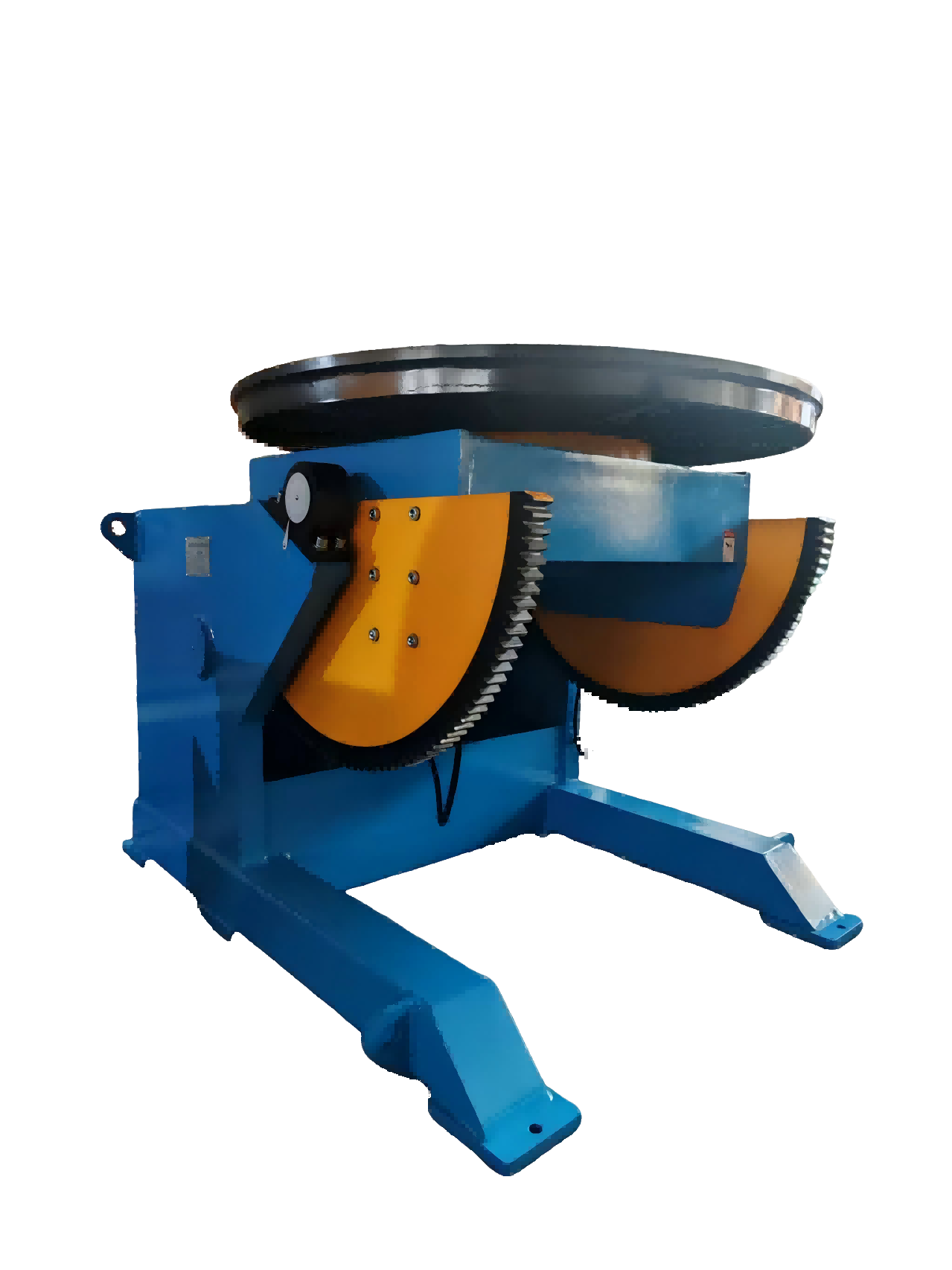
Wind tower sections often reach diameters of 3–4 meters and lengths of 5–6 meters, making them a natural fit for 5×6 manipulators. In these applications, the manipulator handles both internal and external girth welds. I’ve observed that shops that integrate a manipulator with an adjustable rotator see a 30% reduction in setup time compared to using fixed-position welding.
Structural Column Welding
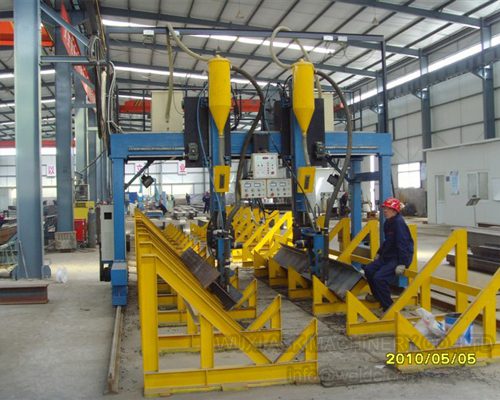
For box columns or large H-beam assemblies, a 5×6 manipulator can weld long stiffener fillets or flange-to-web joints with consistent travel speed. This is particularly useful when your order book includes repetitive structural work.
If your work mix spans multiple diameters or requires frequent changeovers, you may need to verify how well the manipulator integrates with different rotators and positioners before finalizing your BOM. Send your project overview to [email protected] or call +86 13616174307, and we can help confirm the compatibility.
Weld Quality Optimization with 5×6 Manipulators
Achieving repeatable weld quality requires more than a good machine; it requires disciplined parameter control. Use the operator pendant to store preset parameters for each weld joint. When switching between different plate thicknesses, adjust the preheat and interpass temperature accordingly.
Flux selection also matters. For a given joint configuration, an agglomerated flux may offer different slag detachability than a fused flux. Test both on your specific steel grade. A common issue I’ve seen is shops using the same flux for root and fill passes, resulting in slag inclusions in the root.
Finally, maintain the wire conduit and contact tip. A worn tip can cause arc wander that defeats the purpose of a precision manipulator. Replace tips on a schedule based on arc hours, not visual inspection alone.
Custom 5×6 Welding Manipulator Configurations
A standard 5×6 manipulator works for many jobs, but some applications demand modifications. If your workpieces require extended reach beyond 5 meters, consider a telescoping boom or a larger base machine. If you need to weld in multiple stations, a traveling column system may be more productive.
We have helped clients in wind energy and oil & gas specify manipulators with additional features such as integrated preheating torches, fume extraction collars, and dual-wire SAW heads. These customizations can reduce overall cycle time, but they must be specified during the design phase.
For more on how custom manipulators are engineered for large structures, read our case study on custom welding manipulators for structural fabrication.
If your program involves components larger than the standard 5×6 envelope or requires special process integration, it’s worth confirming the engineering feasibility upfront. Share your part dimensions and process requirements with us at [email protected] or call +86 13616174307 to discuss a tailored solution.
Common Questions About 5×6 Welding Manipulators
What load capacity does a 5×6 manipulator typically have?
Load capacity at the end of the boom is usually around 200–500 kg, which covers most SAW torches, wire reels, and flux delivery systems. The column and base are designed to handle the weight of the boom assembly and dynamic forces during travel, not the workpiece itself. If you are mounting a heavy specialized head, request a reinforcement calculation.
Can I use a 5×6 manipulator for submerged arc welding?
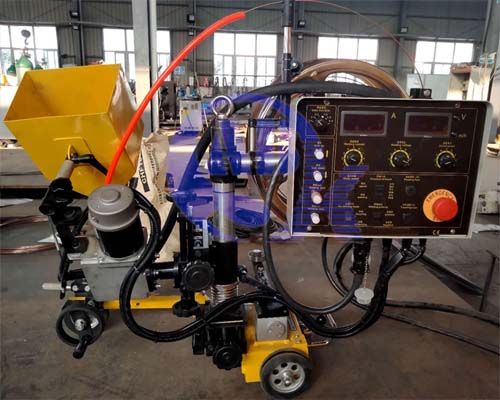
Yes, the majority of 5×6 welding manipulators are built specifically for SAW, which is why you’ll find provisions for flux hoppers, wire spools, and heavy-duty wire feeders. The long strokes and steady travel speeds of a 5×6 unit match SAW requirements for continuous, deep-penetration welds on thick plate.
How long does installation and commissioning take?
With a prepared foundation and available crane, mechanical installation can be completed in two to three days. Commissioning, including alignment, parameter setup, and weld procedure qualification, often takes an additional three to five days. Plan for a full week from unloading to production-ready.
What maintenance does a 5×6 manipulator require?
Daily checks include cleaning the travel rails, inspecting the flux recovery filter, and verifying the wire feed alignment. Weekly, lubricate the column and boom roller chains and check the electrical cabinet for dust accumulation. Annual maintenance should include a full geometric alignment check and motor brush inspection, if applicable.
Can the 5×6 manipulator be upgraded for heavier workpieces?
The workpiece is typically supported separately by rotators or positioners, so upgrading the workpiece capacity usually means upgrading those supporting devices rather than the manipulator itself. However, if you need to mount a heavier welding head or extend the boom, the base and column may require reinforcement. We can evaluate your current machine and propose engineering modifications to extend its capability. Share your requirements with us at [email protected] or +86 13616174307, and we’ll confirm what’s achievable.
If you’re interested, check out these related articles:
Pipe Welding Rotator vs Manual Welding | Productivity and Cost Comparison
One-Stop Welding Automation: Build a Complete Production Line Setup