Welding Lenses Explained: Shades, Standards, and Selection
Table of Contents
- The Role of Welding Lenses in Eye Protection
- Welding Lens Shade Numbers and Process Requirements
- Passive Glass vs Auto-Darkening Welding Lenses
- Selecting the Right Welding Lenses for Your Process
- Defining Welding Lenses for a Production Line
- Common Questions About Welding Lenses
- What shade should I use for MIG welding?
- Will auto-darkening welding lenses fail without warning?
- Are auto-darkening lenses safe when the battery is dead?
- Can I use the same welding lenses for plasma cutting?
- How do I specify welding lenses for a production line without overcomplicating the order?
Welding lenses are the first line of eye protection in any arc welding process, and choosing the wrong shade, optical class, or filter response creates eye fatigue, missed weld defects, and long-term vision damage. In my work with welding equipment and automated production cells, I have seen shops specify expensive positioners and manipulators, then leave operators with a fixed shade filter that is too dark for low-amperage TIG work or too light for high-current flux-cored welding. When procurement documents use lentes de soldador, they are describing this same weld filter category. The right lens balances protection, visibility, and reaction time in production.
The Role of Welding Lenses in Eye Protection
Welding lenses filter ultraviolet, visible, and infrared radiation before it reaches the operator’s eyes. The arc in SMAW, GMAW, FCAW, GTAW, and plasma cutting produces enough radiant energy to burn the cornea within a short exposure window. Arc eye, or photokeratitis, often appears four to six hours after exposure as pain, tearing, and light sensitivity. That risk is why clear safety glasses or face shields are not a substitute for a certified welding filter.
For production welding, the lens must also meet impact and optical standards. ANSI Z87.1 defines the North American requirement for impact-rated eye protection, while ISO 16321-1 covers broader industrial use. Auto-darkening filters should meet EN 379 for optical and switching performance. When I review shop setups, the first problem I look for is a fixed shade number that works for one process but leaves the operator with poor puddle visibility on another.
Low-amperage TIG under 60 A does not produce the same visible glare as high-current flux-cored welding, but the unfiltered UV and infrared component is still strong. A lens that is too dark causes the operator to reduce the arc length and weld too close, which raises spatter, undercut, and eye strain. A lens that is too light does the opposite. The selected filter has to match the actual process, not just the maximum amperage on the machine.
Welding Lens Shade Numbers and Process Requirements
The shade number describes how much visible light the filter absorbs. Higher numbers pass less light. A shade 5 lens is suitable for gas welding or brazing, while shade 10 to 14 covers most arc welding. The right number depends on process, amperage, material thickness, and whether the operator is working indoors or outdoors. The table below follows the general guidance in ANSI Z49.1:2021, the safety standard for welding, cutting, and allied processes.
| Process and Current Range | Recommended Shade |
|---|---|
| SMAW or stick welding under 60 A | 7 |
| SMAW or stick welding 60 to 160 A | 10 |
| GMAW, MIG, or flux-cored arc welding 60 to 160 A | 10 |
| GMAW, MIG, or flux-cored arc welding 160 to 250 A | 12 |
| GTAW or TIG welding 50 to 150 A | 10 |
| Plasma arc cutting 50 to 300 A | 10 |
Treat this table as a starting point. A welder who sees an afterimage after looking away from the arc should move one or two shades darker. If the weld pool and torch line disappear, the filter is too dark. The correct shade balances a clear view of the joint with enough retention of visible light to avoid overcorrecting the torch angle.
Passive Glass vs Auto-Darkening Welding Lenses
Passive glass uses a permanent shade, usually 10 or 11, and has no electronics. That simplicity has value. In a fixed station welding the same bracket with MIG at 180 A all shift, passive glass is predictable, inexpensive, and easy to replace. The operator must lower the helmet before striking the arc, which is fine when the work sequence is repetitive and the torch is already in position.
Auto-darkening filters use sensors to switch from a light shade of about 3 or 4 to the selected dark shade in a fraction of a millisecond. The benefit shows in mixed-process work. A welder moving between TIG at 80 A and flux-cored at 280 A can keep the helmet down while brushing, inspecting, and repositioning the workpiece. The light state also reduces neck strain in confined areas and overhead work, where a nod-down helmet movement is difficult.
The key specification is UV and IR protection in both states. A quality auto-darkening filter should block ultraviolet and infrared radiation even when the filter is light, so a delayed or failed darkening response does not expose the eyes to non-visible radiation. Visible arc flash would still be bright, so sensor alignment and battery condition still matter.
If your production line mixes MIG, TIG, and plasma cutting, it is worth confirming the auto-darkening filter’s switching speed, shade range, and optical class before you order. Send your process list and current amperage range to [email protected] and we can check which filter specification fits your welding cells.
Selecting the Right Welding Lenses for Your Process
Selection starts with the process, then the current range, then the inspection demands of the job. A dedicated pipeline welding crew running SMAW at 120 A can work with passive shade 10 and likely does not need variable shade. A maintenance team that moves among 60 A TIG, 200 A MIG, and plasma cutting should use an auto-darkening filter with a shade range of 8 to 13 and good optical clarity.
Optical quality is separate from shade number. Under EN 379, look for optical class 1, light diffusion class 1, luminous transmittance variation class 1, and angle dependence class 1. A 1/1/1/1 filter reduces the distortion that makes the seam look shifted or the puddle edges fuzzy. That matters most for thin stainless steel and aluminum, where the weld pool is small and the joint is unforgiving.
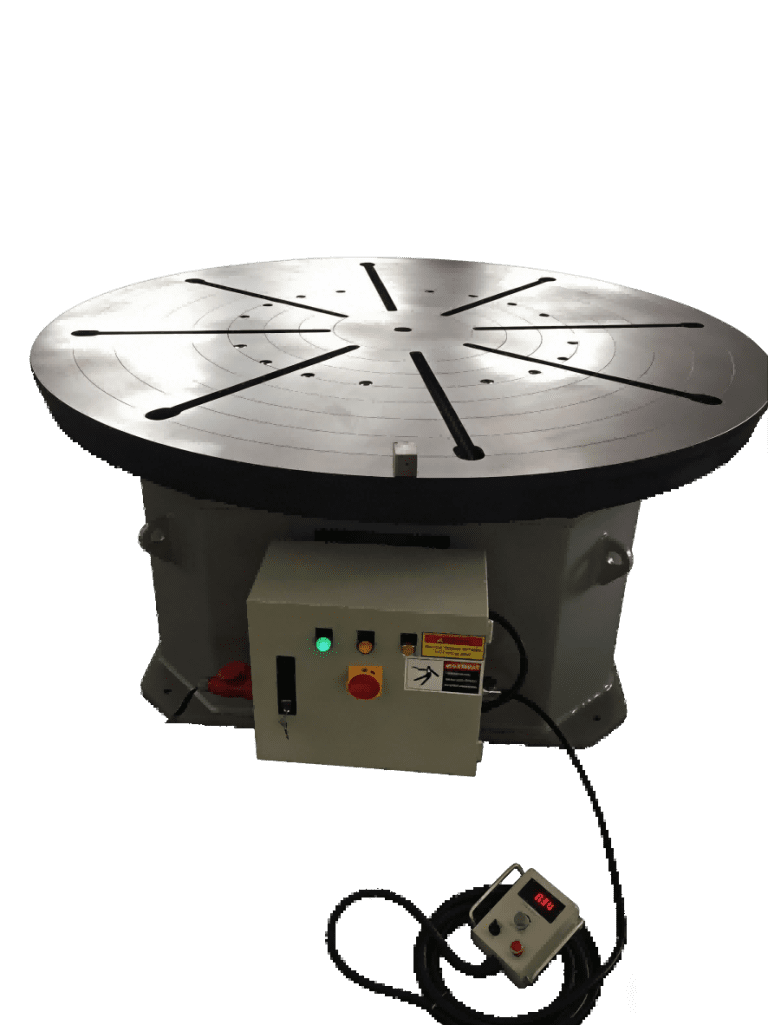
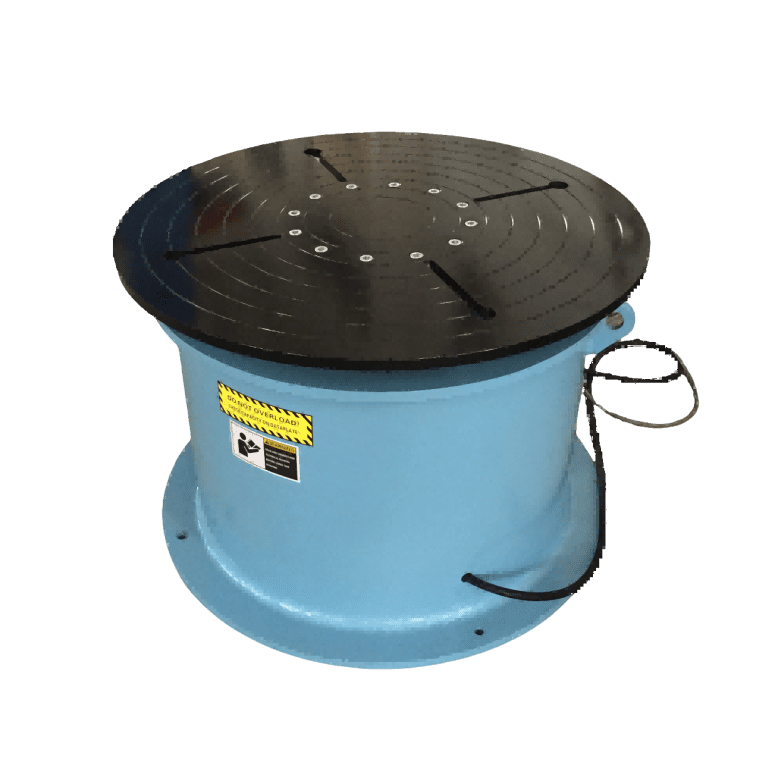
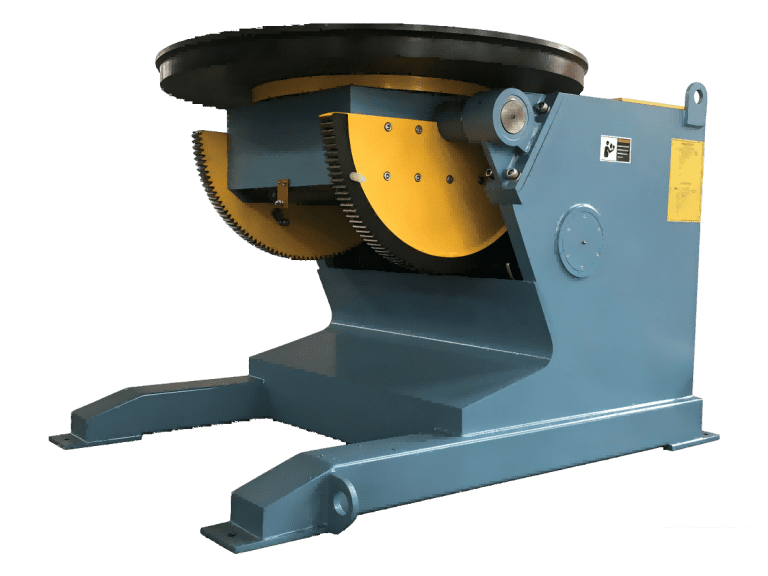
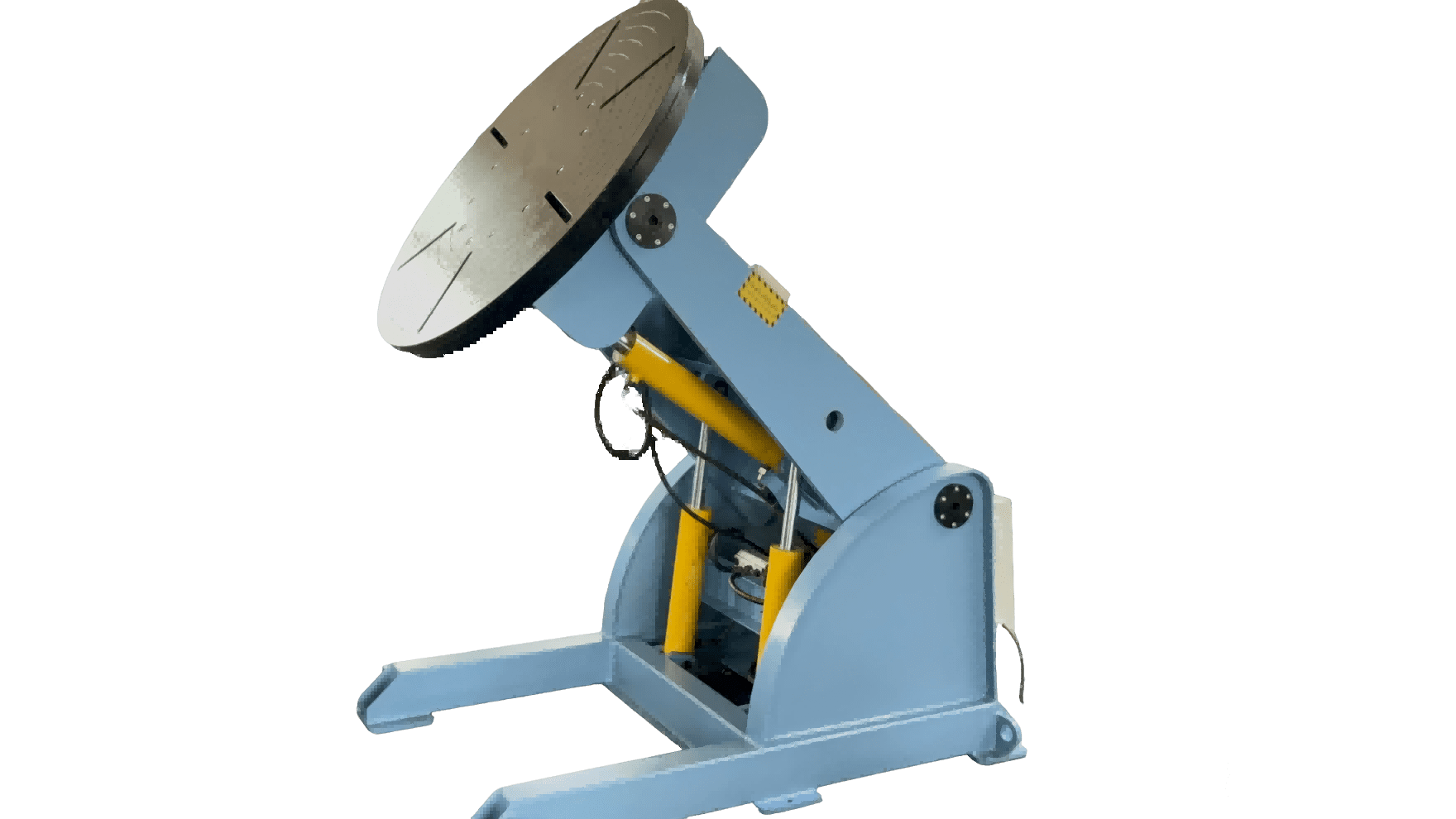
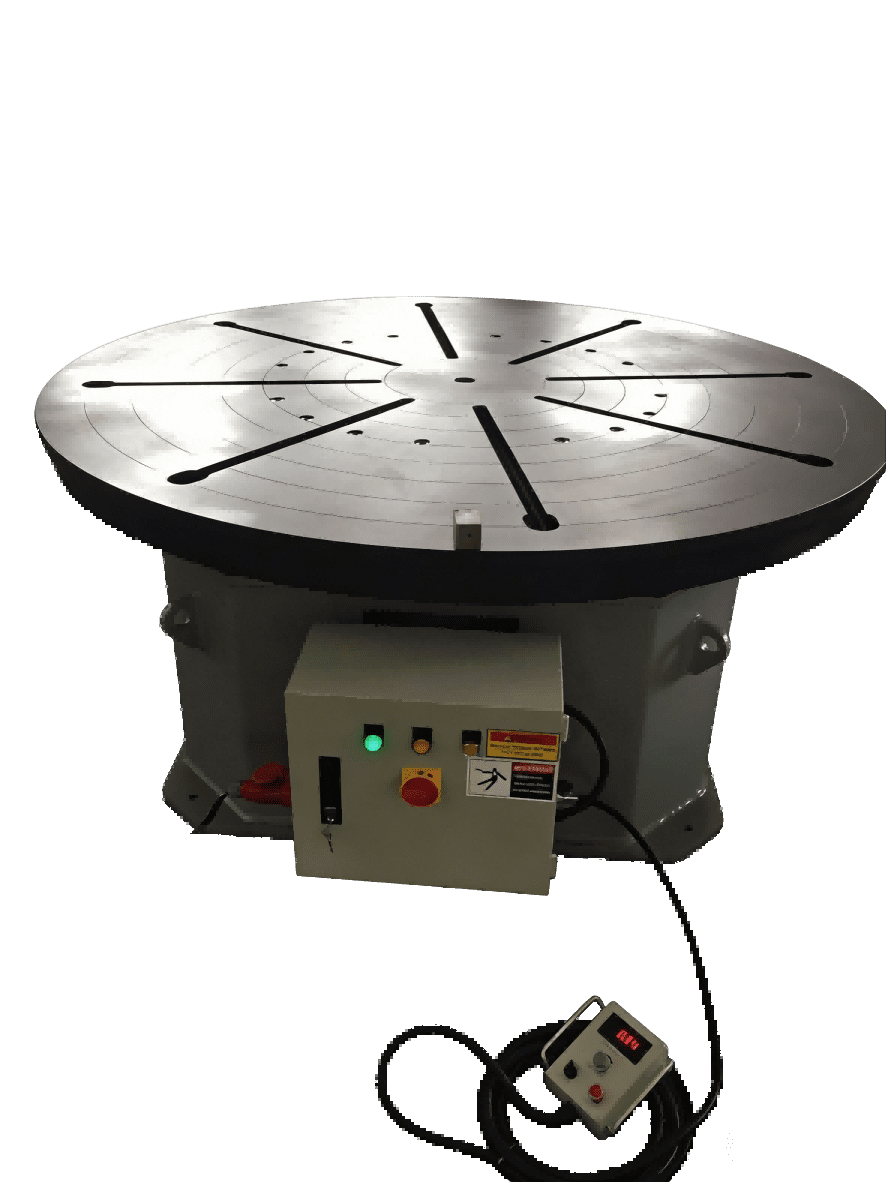
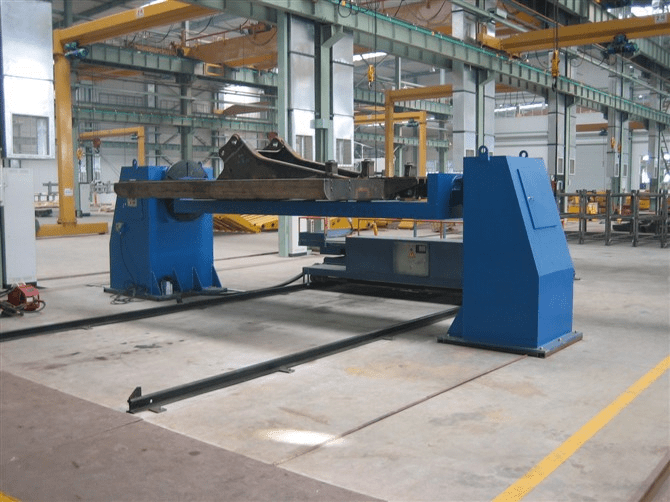
Workpiece positioning also changes what the operator sees. When a welding positioner or welding turntable keeps the joint in a flat, repeatable position, the arc length and viewing angle stay stable. That makes the shade setting easier to hold and reduces the impulse to lift the hood between passes.
For fabricators in the US and Europe, cover plates are a maintenance item. Polycarbonate cover plates on both sides of the filter protect the lens from spatter and scratching. Replace them when pits or scratches spread near the center of vision. A clean outer plate costs less than a replacement filter and keeps the rated optical class valid.
Defining Welding Lenses for a Production Line
Choosing the right lens is easier when the production process is defined, because shade, response speed, and optical class follow the actual welding parameters rather than a generic chart. Many shops treat the lens as a small safety purchase and then face fatigue complaints or rejected seams after a new production line starts. The fix is usually not a different helmet only. It is matching the filter to the process and the workstation.
At Wuxi ABOKE, we work with welding cells, positioners, and cutting systems, so we can define the lens specification with you as part of the larger production plan. Send your welding process list, amperage range, and required safety standard to [email protected] or call +86 13616174307. Tell us whether the work is fixed-station or mixed-process, and we will confirm the shade range, filter response, and optical class before you finalize the order.
Common Questions About Welding Lenses
What shade should I use for MIG welding?
Start with shade 10 for MIG welding up to about 160 A, and move to shade 12 between 160 and 250 A. The shade number matters less than the ability to see the puddle edges and the seam without afterimage. If you are running short-circuit MIG on thin material at 120 A, shade 10 works well. Spray transfer at 250 A and above usually needs shade 12 or darker. Wear the filter you intend to use, strike a test weld, and adjust one shade darker if you see a residual bright spot after looking away.
Will auto-darkening welding lenses fail without warning?
The usual failure is not sudden darkness loss but slower switching, battery drain, or sensor blockage. Many operators notice a slight flash at arc start before the filter darkens, or the lens flickers between states. That flicker is a clear warning. Keep sensors clean, replace batteries on the manufacturer schedule, and test the filter before the shift by pressing the test button if present. A passive glass lens has no electronics and cannot fail in this way, which is why it remains a viable backup in high-risk or remote work where replacement parts are hard to get.
Are auto-darkening lenses safe when the battery is dead?
A compliant auto-darkening filter should block UV and IR radiation even in the light state, so the battery does not determine whether invisible radiation reaches the eye. The risk is the visible arc flash if the filter does not darken. A drained battery can leave the operator looking at a very bright arc with no darkening response, which causes temporary flash blindness and severe discomfort. Do not treat a dead battery as safe just because UV and IR protection remains. Replace the power source before welding.
Can I use the same welding lenses for plasma cutting?
Plasma arc cutting is usually comfortable at shade 8 to 10 for currents between 50 and 300 A, but the choice depends on how close you are to the arc and how much of the cut you need to see. If your table runs the same material and current all day, a fixed shade 10 lens may be enough. For mixed cutting and welding, use an auto-darkening filter with a range that covers both the cutting arc and the lower-amperage welding process. The lens still needs the proper impact rating for the cutting enclosure.
How do I specify welding lenses for a production line without overcomplicating the order?
Start with three inputs: process list, amperage range, and inspection frequency. Those inputs define the shade range, switching speed, and optical class. If you want a production-ready filter specification, send your process list and required standard to [email protected] or call +86 13616174307. We will confirm the shade range, switching speed, optical class, and cover plate dimensions before you issue the purchase order.
If you’re interested, check out these related articles:
CNC Flame Cutting: Precision Cutting for Heavy Plate Fabrication
Custom Welding Automation Solutions for Industrial Manufacturing
Shot Blasting Solutions for Steel Structure Surface Treatment
Automatic Welding Centers Improve Production Efficiency & Weld Quality