
How Plasma Cutters Work: A Technical Guide for Industrial Buyers
Table of Contents
- What Powers a Plasma Cutter?
- Pilot Arc vs Transferred Arc
- The Role of the Nozzle
- Why Do Electrodes and Nozzles Wear Out So Fast?
- Aftermarket vs OEM Consumables
- How Does Air Quality Impact Plasma Cutting?
- Common Air Contaminants
- Air Treatment Equipment
- Which Materials and Thicknesses Can a Plasma Cutter Handle?
- Stainless and Aluminum Considerations
- What Steps Deliver Consistent Plasma Cut Edges?
- When Should You Choose Plasma Over Laser or Oxy‑Fuel?
- Your Next Move in Plasma Cutting
- Common Questions About Plasma Cutting
Understanding how plasma cutters work helps production managers decide whether this technology fits their metal fabrication workflow. In over a decade of supporting workshops with cutting and welding equipment, I’ve seen that the real challenge isn’t the plasma arc itself—it’s maintaining cut quality shift after shift while managing consumables and compressed air. This article breaks down the physics and practical factors that determine plasma cutting performance, so you can evaluate a plasma machine based on what happens on the shop floor, not just the brochure.
What Powers a Plasma Cutter?
A plasma cutter forces compressed gas through a constricted copper nozzle at high speed while an electric arc is established between an electrode inside the torch and the workpiece. This arc heats the gas until it ionizes, forming electrically conductive plasma that reaches roughly 20,000°C. The plasma jet melts the metal and the gas stream blows the molten material away.
Pilot Arc vs Transferred Arc
Most industrial plasma cutters use a pilot arc that first strikes between the electrode and nozzle via a high‑frequency or blow‑back start circuit. Once the torch is close enough to the metal, the current transfers to the workpiece and the pilot arc shuts off. This design lets you cut through painted, rusty, or grid‑like surfaces without the ground clamp making perfect contact every time.
The Role of the Nozzle
The nozzle constricts the plasma jet, raising its temperature and velocity. A smaller orifice increases energy density but also raises the risk of double arcing if the standoff isn’t controlled. In CNC cutting, torch height control maintains a precise gap so the arc stays focused and the nozzle doesn’t dip into the slag pool.
Why Do Electrodes and Nozzles Wear Out So Fast?
Consumable life is often the single largest operating cost in plasma cutting. The electrode contains a hafnium insert at its tip, which gradually erodes each time the arc starts. Nozzles erode from the plasma jet’s heat and from occasional double arcing. How quickly they wear depends on three things: piercing frequency, air quality, and amperage density.
I recommend operators log pierce counts and replace the electrode before the hafnium insert gets too deep. Once the insert burns back past its usable depth, the arc becomes unstable, the nozzle orifice wallows out, and cut edge angles degrade. Waiting until a nozzle blows apart usually costs you the nozzle, the electrode, and the swirl ring.
Aftermarket vs OEM Consumables
Cheap aftermarket consumables sometimes use poor‑grade copper or out‑of‑tolerance dimensions that upset gas flow. I’ve seen shops chase a “low consumable price” and end up with twice the rework because cut finish varied from part to part. Stick with consumables made to the torch manufacturer’s specification, even if they cost a little more up front.
How Does Air Quality Impact Plasma Cutting?
Compressed air supplies the plasma gas for the vast majority of job‑shop plasma cutters. Every time air passes through the torch, moisture and oil vapor get exposed to the arc. Moisture breaks down into oxygen and hydrogen, which reacts with the hafnium electrode and accelerates wear. Oil vapor burns off and leaves carbon deposits inside the nozzle, interfering with the plasma jet’s stability.
Common Air Contaminants
| Contaminant | Effect on Cut Quality |
|---|---|
| Water vapor | Rough, oxidized edges; rapid electrode wear |
| Oil aerosol | Carbon deposits in nozzle; arc instability |
| Particulate dust | Nozzle clogging; shortened electrode life |
Air Treatment Equipment
A basic shop compressor without proper treatment delivers wet, dirty air. At minimum you need a refrigerant dryer and a coalescing filter rated for 0.01‑micron particle removal, installed as close to the plasma power supply as possible. For shops in humid environments, a desiccant dryer eliminates the last traces of moisture that a refrigerant dryer might miss. I once visited a facility cutting stainless steel with untreated air; the cut faces looked pitted and oxidized. After they added a refrigerated dryer and a filter bank, edge quality became indistinguishable from what we saw in the demo room.
Which Materials and Thicknesses Can a Plasma Cutter Handle?
Mild steel is the most common material cut with air plasma. A 120‑amp industrial machine will sever plate up to 50mm thick, but for production‑quality square edges the practical limit is closer to 25‑30mm. Thicker sections require slower speeds and produce a wider kerf with more dross.
Stainless and Aluminum Considerations
Stainless steel and aluminum react to air plasma differently. The oxygen in compressed air leads to heavy oxidation on the cut face of stainless, so many shops switch to nitrogen or an argon‑hydrogen mix to get cleaner edges. Aluminum cutting benefits from nitrogen to reduce dross, though the cut face will still show a rough texture. High‑definition plasma systems with dedicated gas consoles produce markedly better results on non‑ferrous metals.
If your program involves stainless or aluminum plate above 6mm, getting the gas setup and air treatment right before you order equipment saves a lot of trial and error. Share your material grades with us at [email protected] and we’ll confirm the cutting parameters that fit your production volume.
What Steps Deliver Consistent Plasma Cut Edges?
Even a well‑sized plasma machine won’t deliver repeatable edge quality unless you control the process variables. The main levers are standoff distance, travel speed, and amperage.
Standoff distance must stay within the manufacturer’s tolerance—typically 1.5–3mm for mechanized cutting. Too high, and the arc widens, producing a beveled cut with bottom dross. Too low, and the nozzle risks shorting against the plate.
Travel speed determines whether the arc lags or leads. At the correct speed, the plasma jet exits the bottom of the kerf at a 15–20 degree angle. If the speed is too low, the kerf widens and spatter builds up on the top surface. Too fast, and you get high‑speed dross—a thin, hard‑to‑remove burr along the bottom edge.
Amperage should match the material thickness and travel speed. Many operators set the power supply to its maximum and then adjust speed, but optimizing amperage often reduces heat input and distortion.
When we commission a new CNC plasma table, we devote at least a day to cutting test plates at different speeds and torch heights for each thickness the shop expects to run. That upfront time pays back in fewer grinding hours and longer consumable life.
When Should You Choose Plasma Over Laser or Oxy‑Fuel?
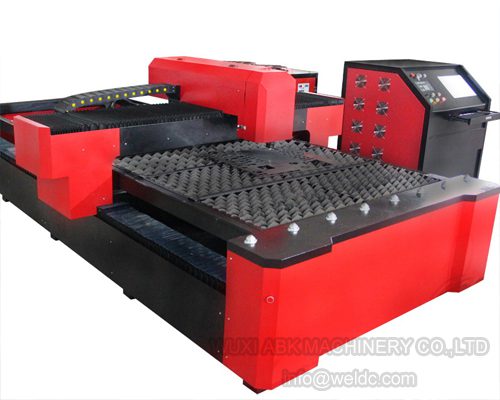
Choosing the right cutting process for your shop floor means looking at more than just the machine price. Capital cost, operating cost, thickness range, and edge quality requirements often push the decision toward one technology.
| Process | Typical Thickness (Steel) | Capital Cost | Operating Cost | Edge Quality |
|---|---|---|---|---|
| Air Plasma | 3–30 mm | Moderate | Low–Moderate | Good (square edge in optimal range) |
| HD Plasma | 3–40 mm | Higher | Moderate | Very good (comparable to laser on thicker plate) |
| Laser (fiber) | 0.5–25 mm | High | Higher | Excellent |
| Oxy‑fuel | >20 mm | Low | Low | Rough, requires machining |
For a structural steel shop cutting mostly 6‑15mm mild steel, air plasma offers the best balance of speed, simplicity, and total cost. Laser excels on thin gauge and intricate contours, but the capital investment and maintenance costs can be hard to justify unless you are running extremely high volumes. Oxy‑fuel remains the economical choice for plate above 40mm where edge finish isn’t critical.
From conversations I’ve had with fabrication managers, the decision often comes down to what percentage of their work falls in that 6‑20mm range where plasma dominates. If that’s your main workload, plasma is the most pragmatic starting point.
Your Next Move in Plasma Cutting
Picking a plasma cutter without considering the air system, consumables plan, and material mix leads to production surprises. The machine itself is only one piece of a larger cutting station. The difference between poor and excellent cut quality usually traces back to how well the air is treated and how consistently the torch parameters are maintained, not just the amperage rating on the spec sheet.
If you are setting up a new cutting cell or upgrading an existing one, we’ll help you match a plasma machine and air treatment package to your actual daily output. Send your material grades, thickness range, and estimated cutting hours to [email protected] or call +86 13616174307 for a straightforward technical evaluation.
Common Questions About Plasma Cutting
Does plasma cutting require a special gas?
For 90 percent of mild steel cutting, compressed air is all you need. However, when the material is stainless or aluminum and edge appearance matters, shops often switch to nitrogen or an argon‑hydrogen blend. The gas choice affects oxidation, dross formation, and consumable life, so it’s worth testing on your own production parts before committing to a new gas setup.
I’ve heard plasma is only for thin plate – is that true?
That misconception comes from years ago when plasma machines were lower amperage. Today’s industrial 200‑amp and 300‑amp units can sever steel up to 80mm. But production‑quality cuts with square edges are realistically limited to about 30mm for air plasma. Above that thickness, high‑definition plasma or oxy‑fuel may be better choices.
How often should I replace consumables?
It depends more on pierce count than on cutting length. A typical electrode lasts 300‑500 starts in clean conditions, and the nozzle often needs replacement after half that. The quickest way to know when to change is to monitor cut edge angularity and the visual condition of the hafnium insert. If the nozzle orifice looks oval or the arc hisses differently, it’s time.
Can a plasma cutter run on my shop’s standard air compressor?
A standard reciprocating compressor produces hot, wet air that will destroy electrodes and nozzles within a few hours of cutting. You need a properly sized screw compressor, a refrigerated or desiccant dryer, and a high‑efficiency coalescing filter. For a shop cutting more than a couple of hours daily, a dedicated air system with a receiver tank sized for the plasma machine’s flow demand is a non‑negotiable investment. If you’re assessing your compressor capacity against a target plasma system, sharing your existing air setup details with us at [email protected] helps us flag any gaps early.
If you’re interested, check out these related articles:
Heavy-Duty Welding Rotators with 200 Ton Load Capacity
Column and Boom Manipulators for Large Vessel Precision Weldin
CNC Water Jet Cutting: Precision, No Heat, Any Material