What Is GTAW Welding? Meaning, Process & Equipment Integration
GTAW welding, or Gas Tungsten Arc Welding, sets the benchmark for precision and purity in industrial fabrication. A textbook bead in ideal conditions means little if the process on the shop floor struggles with inconsistent workholding or shielding gas instability. In over twelve years of automating welding systems, I have seen too many fabricators master the torch technique only to lose critical weld quality because they ignored the positioning and rotation side of the process. This article goes beyond the acronym to examine what GTAW is, how the process actually works, and why integrating the right equipment—from positioners to rotators—turns a high‑quality process into a repeatable production result.
What Is GTAW Welding?
GTAW stands for Gas Tungsten Arc Welding, a process that creates an arc between a non‑consumable tungsten electrode and the workpiece. The arc heats the base metal to form a molten pool, and a separate filler rod is added manually or mechanically if needed. Unlike processes that use a consumable electrode, the tungsten does not become part of the weld. The entire arc and pool are protected by an inert shielding gas, usually argon, which prevents atmospheric contamination.
In the shop, many people refer to GTAW as TIG welding—Tungsten Inert Gas—and the two terms describe the identical process. The defining feature is the control it gives the operator. Because you feed filler independently and the arc is stable, GTAW produces the cleanest, most precise welds of any open‑arc process. That control makes it the first choice for applications where weld integrity is non‑negotiable, from nuclear pressure boundaries to food‑grade stainless pipe.
How Does the GTAW Process Work?
The process starts when a high‑frequency start initiates the arc without touching the electrode to the work. Once established, the arc melts a small area of the base metal. The welder or a wire feeder adds filler rod into the leading edge of the puddle, and the molten metal solidifies as the torch moves along the joint. Unlike MIG welding, no slag forms, so multi‑pass work requires no inter‑pass cleaning.
Shielding gas flow is critical. Argon covers the pool until the metal cools below its reactive temperature. For materials that oxidize aggressively, such as stainless steel or titanium, a trailing purge or a back‑purge inside pipes keeps the root side clean. In our projects with orbital GTAW systems on tube‑to‑tubesheet joints, even a momentary gas interruption creates porosity that forces a cut‑out and re‑weld.
The power source must match the material. Direct current electrode negative (DCEN) is used for steel, stainless, and titanium because it puts most of the heat into the work. Alternating current (AC) is needed for aluminum and magnesium to break up the oxide layer during the electrode‑positive half‑cycle. Modern inverter machines let you adjust AC balance and frequency, giving much finer control over cleaning action and penetration than old transformer machines.
Where Is GTAW Used in Industry?
GTAW dominates applications where weld soundness, appearance, and chemical resistance matter most. Aerospace structural components, fuel lines, and engine mounts are almost exclusively GTAW‑welded because a single fusion defect can be catastrophic. In pharmaceutical and food processing, the smooth, crevice‑free weld profile prevents bacterial entrapment and withstands repeated clean‑in‑place cycles.
For aluminum fabrication—think heat exchangers, cryogenic tanks, and marine structures—GTAW with AC delivers the oxide cleaning needed for a strong bond. The process also handles thin sections: I have seen operators weld 0.5 mm stainless sheet with GTAW where any other arc process would blow through. On the heavier side, mechanized GTAW with hot wire feed is used for thick‑wall pressure vessel root passes, where the smooth inside reinforcement matters for service life.
If your project involves alloy pipe welding with strict root pass requirements, the right rotator setup can eliminate the repositioning breaks that ruin arc continuity. Reach out to [email protected] to discuss your specific joint configuration and positioning needs.
How Does Equipment Integration Affect GTAW Quality?
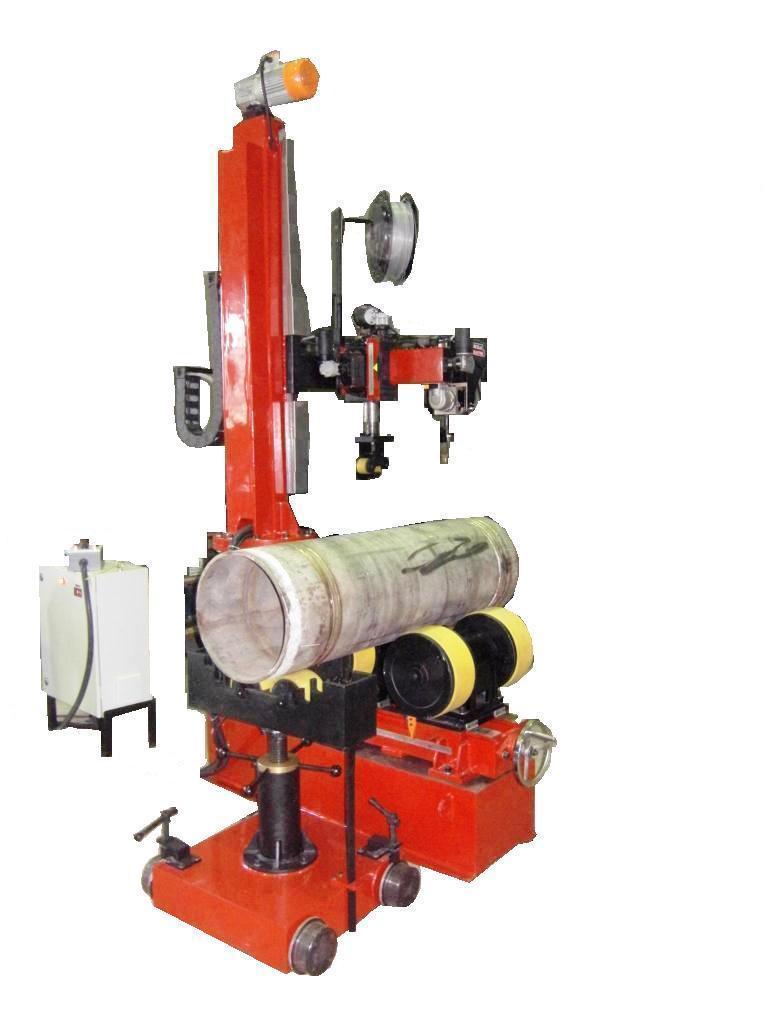
The best GTAW technique cannot compensate for poor work positioning. When you weld a pipe joint manually, you constantly stop to rotate the pipe or reposition your body. Those interruptions cause arc termination, crater formation, and tie‑in discontinuities. The solution is to use a welding positioner or rotator that rotates the workpiece at a controlled speed while the torch stays in one place.
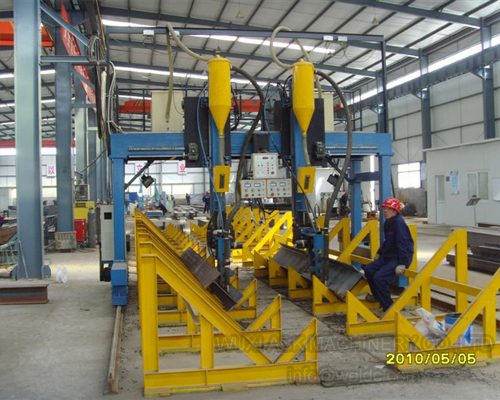
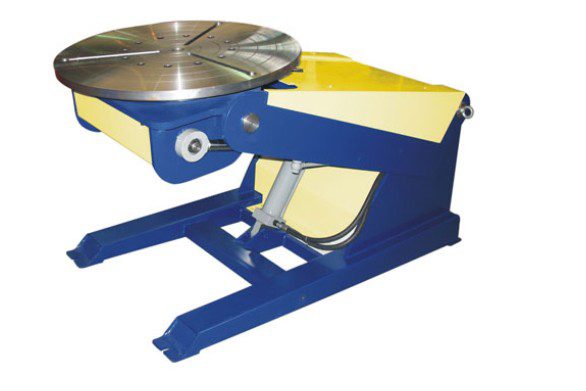
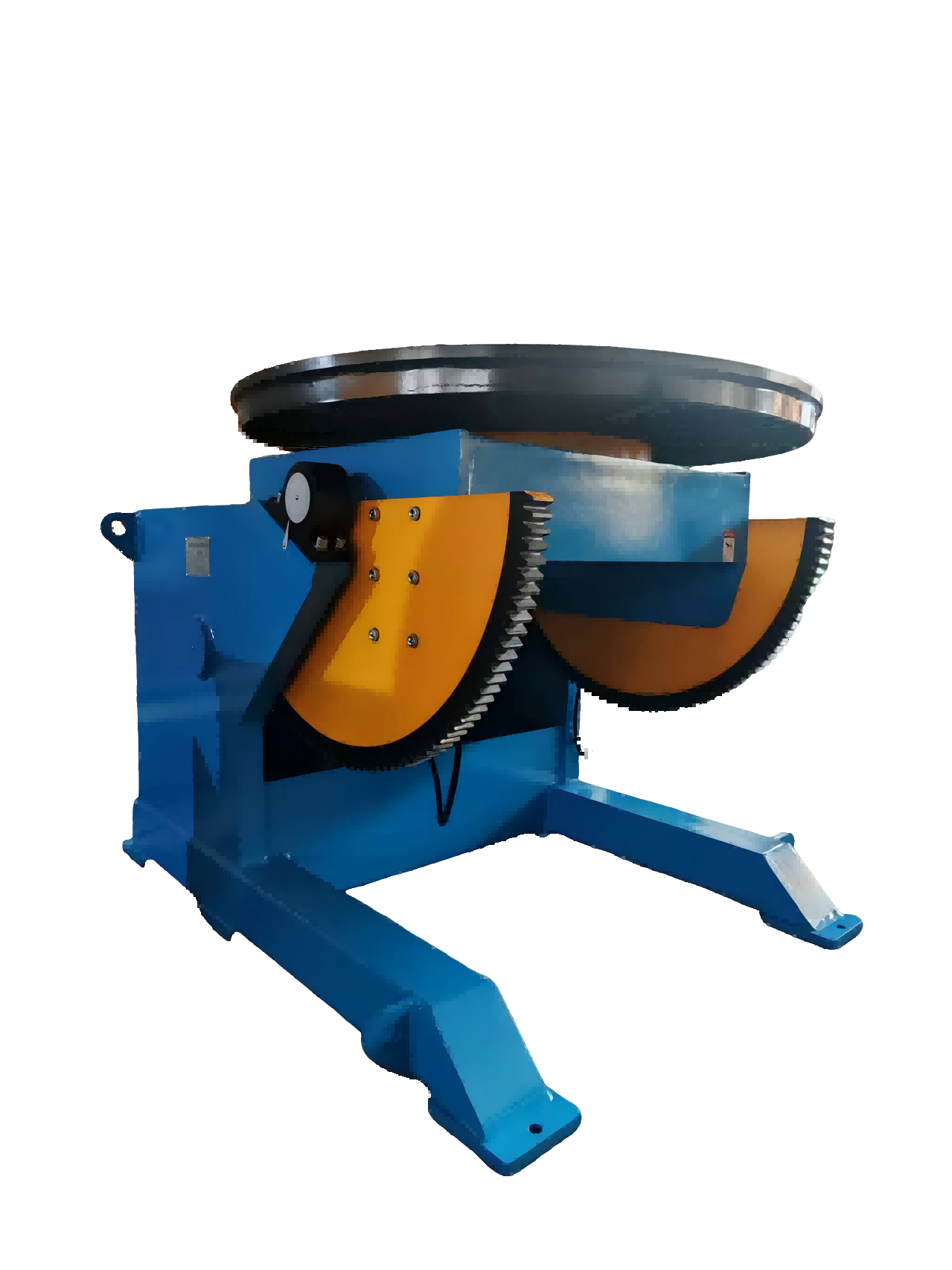
A 3‑axis hydraulic positioner lets you tilt and turn the weldment so the joint stays in the flat or horizontal position for every bead. For long cylindrical parts, such as pressure vessel shells or wind tower sections, a set of welding rotators—driven and idler rolls—supports the weight and rotates at a precise surface speed set to match the deposition rate. In automation projects I have worked on, pairing a column and boom manipulator with a self‑aligning rotator removed three manual rotation stops per weld joint, cutting cycle time by over 30% while eliminating stop‑start defects.
Speed stability matters more than many buyers realize. A rotator that surges or bogs under load changes the arc length, which directly affects penetration. For GTAW, where heat input is often tightly controlled, variable‑frequency drives with closed‑loop feedback keep the rotation smooth, even as the work is being welded. When specifying equipment, ask about the speed control accuracy across the whole load range, not just the top rated weight.
Is GTAW Right for Your Production?
GTAW is the premium option, but it comes with trade‑offs. The process is slower than GMAW (MIG) or FCAW for equivalent deposition rates, so it rarely becomes the main fill‑pass process on thick sections unless code requirements demand it. For carbon steel plate over 12 mm, manual GTAW is uneconomical for fill. However, for root passes on pipe or vessel joints, GTAW remains the gold standard because it gives a cleaner inside surface and deeper control over penetration.
The skill floor is higher with GTAW than with MIG or stick welding. An operator must maintain a consistent arc gap while feeding filler and managing the foot pedal or torch switch. Mechanization reduces that skill dependency: a welding manipulator with arc voltage control holds the torch at a fixed standoff, letting a less experienced hand manage the process while maintaining aerospace‑grade consistency.
The table below compares GTAW with other common arc processes on four factors that matter in production planning.
| Process | Deposition Rate | Fume Level | Weld Cosmetic Quality | Typical Skill Requirement |
|---|---|---|---|---|
| GTAW (TIG) | Low | Minimal | Excellent | High |
| GMAW (MIG) | High | Moderate | Good | Medium |
| SMAW (Stick) | Medium | High | Fair | Medium |
| FCAW | High | High | Fair (post‑weld cleaning) | Medium |
Common Questions About GTAW Welding Equipment
Can I use GTAW for thick carbon steel pipe without automation?
It is possible but rarely practical. For wall thicknesses above 10 mm, manual GTAW fill passes accumulate too slowly. Most efficient workflows use GTAW for the root and hot pass, then switch to SAW or FCAW for the fill and cap. Automation, like a welding manipulator with hot‑wire GTAW, can extend the thickness range where GTAW remains competitive.
What is the difference between GTAW and orbital welding?
Orbital welding is simply a mechanized application of GTAW. A closed weld head clamps around a tube or pipe and rotates the electrode around the joint. The arc, speed, and filler feed are all programmed. Orbital GTAW is common in semiconductor and pharmaceutical tube work because it delivers perfectly repeatable welds with digital traceability.
How do I choose the right welding positioner for GTAW pipe work?
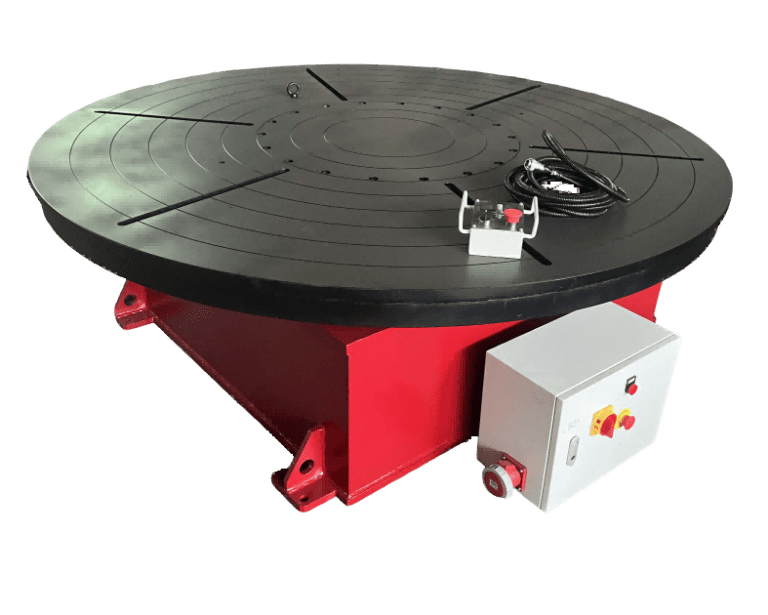
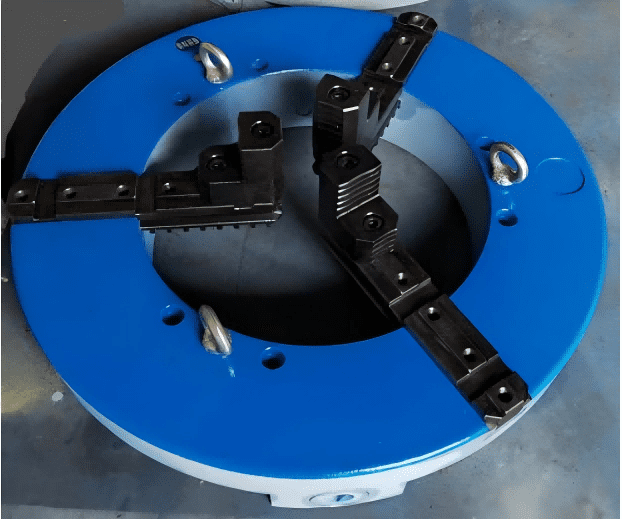
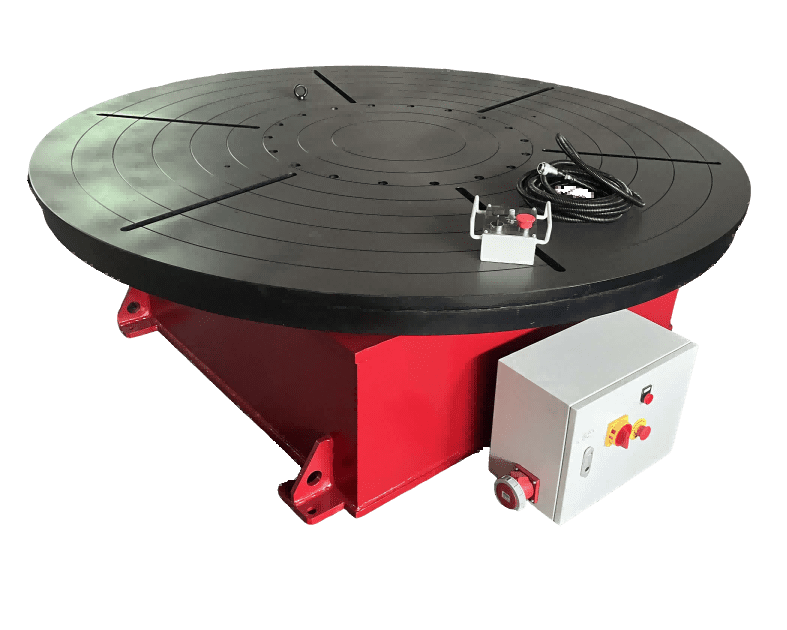
Start with the work envelope: maximum part diameter, length, and weight. For pipe welding, a head‑and‑tailstock positioner handles long runs with flanges, while a turntable positioner suits short, symmetrical fittings. Look for low‑speed stability at the amperage you will run; a positioner that performs well at high speed but jitters at welding speed will cause arc wander. Also confirm the chuck or fixture can grip without marring a machined surface.
Can shielding gas be recovered to lower operating cost?
In theory, yes, but for most GTAW applications the payback is poor unless you are running large‑scale automated cells with high argon flow. A more practical cost lever is to optimize flow rates and check for leaks. I have seen shops reduce annual argon expense by 15% just by fixing creeping flowmeter drift and tightening hose connections.
When you are evaluating a new GTAW automation system, the specification that matters most is not the price but the fit to your part geometry and production cadence. Share your weld procedure and workpiece drawings with us at [email protected] or call +86 13616174307, and we will help you build a positioning and rotation setup that supports the quality GTAW demands.
If you’re interested, check out these related articles:
Adjustable Welding Rotator for Different Diameter Vessel Welding
Wind Tower Welding Lines: Designing for Peak Production