Stainless Steel TIG Filler Rods: Selection, Grades & Uses

August 15, 2026
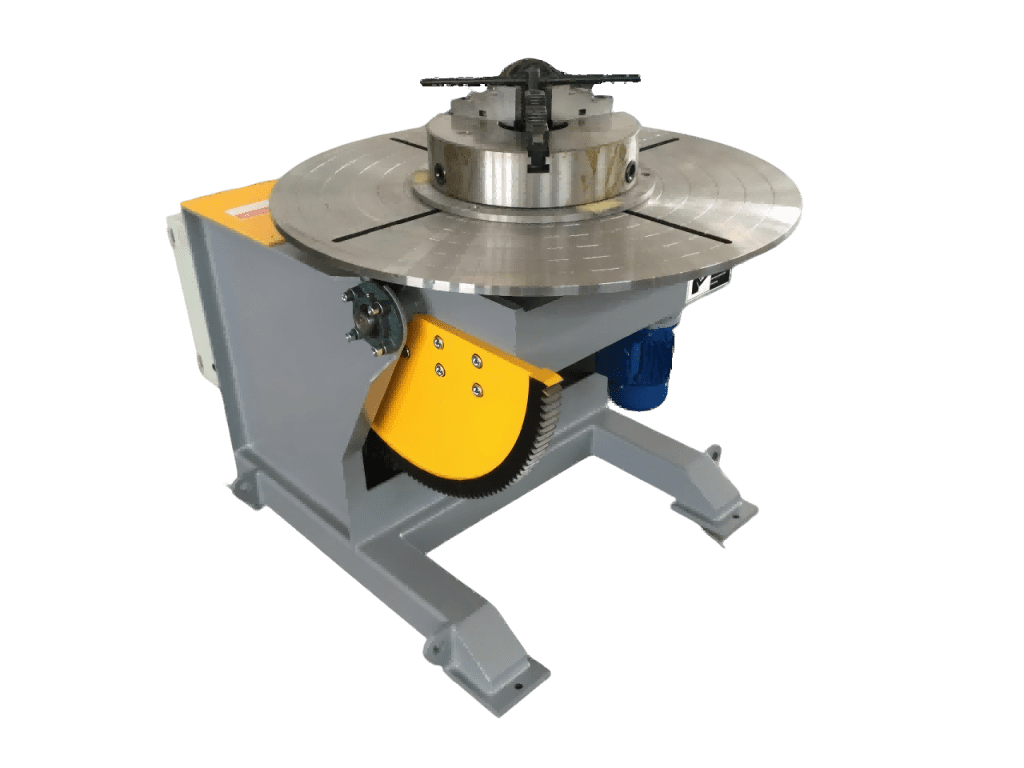
Stainless steel TIG filler rods decide more than weld bead appearance. They set the corrosion resistance, crack resistance, and long term performance of the joint. After twelve years on welding production lines, I have found that most stainless TIG rework starts with a filler rod grade chosen by habit rather than by service condition. This […]
Read More »

Heavy Metal Welding: Core Processes and Setup Tips

August 15, 2026

A 50 mm wall pressure vessel course does not respond to thin-gauge settings, and that is where heavy metal welding stops being a general skill and becomes a process decision. In heavy metal welding, joint preparation, preheat, and positioning decide whether a weld passes inspection or requires costly rework. Based on our work on thick-wall […]

Read More »

Industrial Plasma Cutter Guide for Heavy Fabrication Shops

August 14, 2026

An industrial plasma cutter is not simply a larger handheld unit mounted on a table. The performance difference shows up in duty cycle, torch cooling, arc voltage height control, and the air or gas delivery system. Shops that treat a mechanized plasma table as a basic cut tool tend to lose more money on poor […]

Read More »

Stick Welder Amp Chart: Amperage Settings for Common Rods

August 14, 2026

Stick welder amp chart decisions separate clean wetting from slag traps and undercut. In twelve years of industrial welding automation projects, I have watched more weld defects come from amperage mismatches than from electrode quality. The right setting depends on rod diameter, base metal thickness, joint position, and machine duty cycle, not on a single […]

Read More »

5G Welding Position: Techniques, Uses and Qualification Tips

August 14, 2026

5G welding position work separates a qualified pipe welder from a general fabricator because the weld pool must be controlled in a fixed horizontal groove while the operator moves around the pipe. The pipe stays stationary, the axis runs horizontal, and the weld passes through flat, vertical, and overhead segments in one continuous joint. In […]

Read More »

Welding Fume Extraction and Weld Quality in Automotive Lines

August 14, 2026

Welding fume extraction in automotive manufacturing carries two jobs at once. It has to keep airborne fume below occupational exposure limits for operators, and it has to do that without pulling air across the arc hard enough to disturb shielding gas or draw fume away from the puddle. On automated lines and in robotic cells […]

Read More »

FCAW G vs GMAW: Smoke Levels, Real Uses and Selection Tips

August 14, 2026

FCAW G vs GMAW decisions usually start with deposition rate and weld profile, but smoke behavior also changes shop ventilation, operator fatigue, and compliance planning. The claim that FCAW G always produces less smoke than GMAW is not correct for every procedure. Gas-shielded flux core welding often produces more total fume than solid wire GMAW […]

Read More »

DIY Fab Table Basics: Building a Flat, Safe Welding Surface

August 13, 2026

A DIY fab table is usually the first serious piece of shop built equipment a fabricator makes, and the choices that matter most are not the ones most plans emphasize. Top flatness, frame restraint, and clamp access determine whether the table helps you hold parts or fights you on every fit-up. I have checked enough […]

Read More »

Good Welding Position Improves Weld Quality and Speed

August 13, 2026

Finding a good welding position is not an ergonomic preference. It determines whether the arc stays where the joint needs it, how much spatter and undercut the operator accepts, and how long a production run can continue before fatigue or rework erodes output. Welders who fight gravity and part access produce inconsistent welds on the […]

Read More »

Welding Repair Procedure Qualification for Recovery Work

August 13, 2026

A repair passes visual inspection, then fails the bend test because the original steel did not match the grade on the drawing. That is the gap welding repair procedure qualification closes. The qualification process proves that a defined repair method produces sound welds in a specific material condition, using a qualified welder and controlled variables. […]

Read More »
1 20 21 22 39

Get Our Best Quotation

Contact