Soapstone Talc for Steel Marking: A Production Guide

September 6, 2026
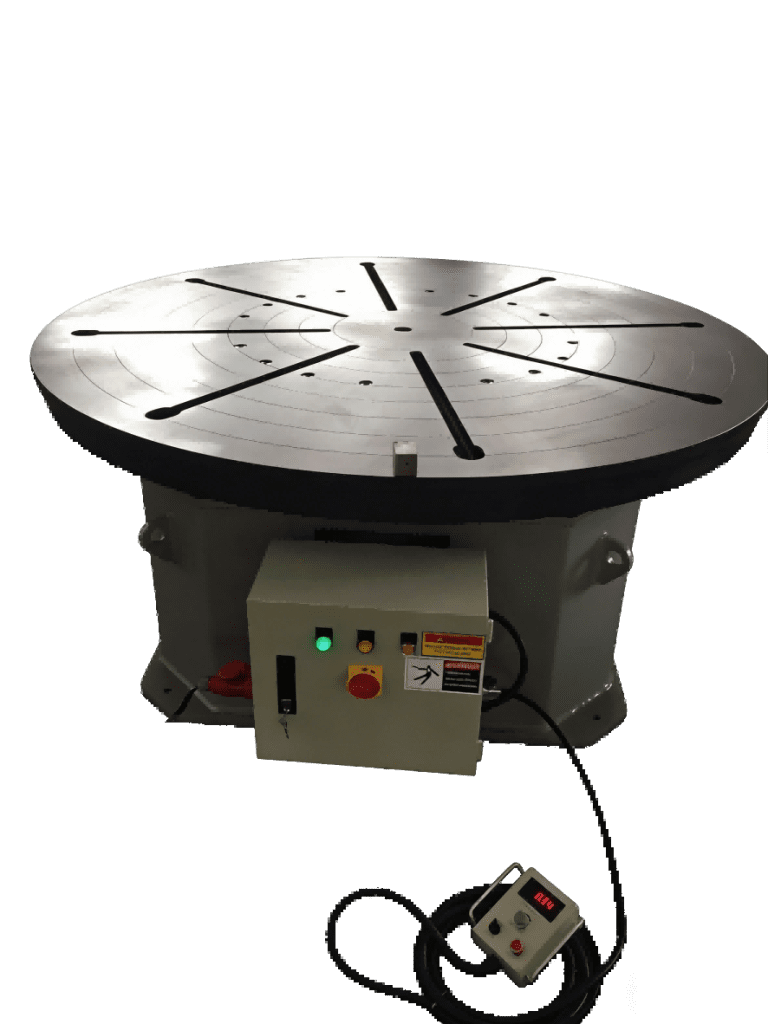
A layout line that survives preheat, grinding dust, and handling is one of the cheapest dimensional controls in a welding shop. Soapstone talc earns its place on the bench because it writes on hot or cold steel, leaves a visible reference mark without contaminating the weld, and disappears when the job is done. But not […]
Read More »

Ergonomic Industrial Positioners: 2026 Buyer’s Guide

September 6, 2026

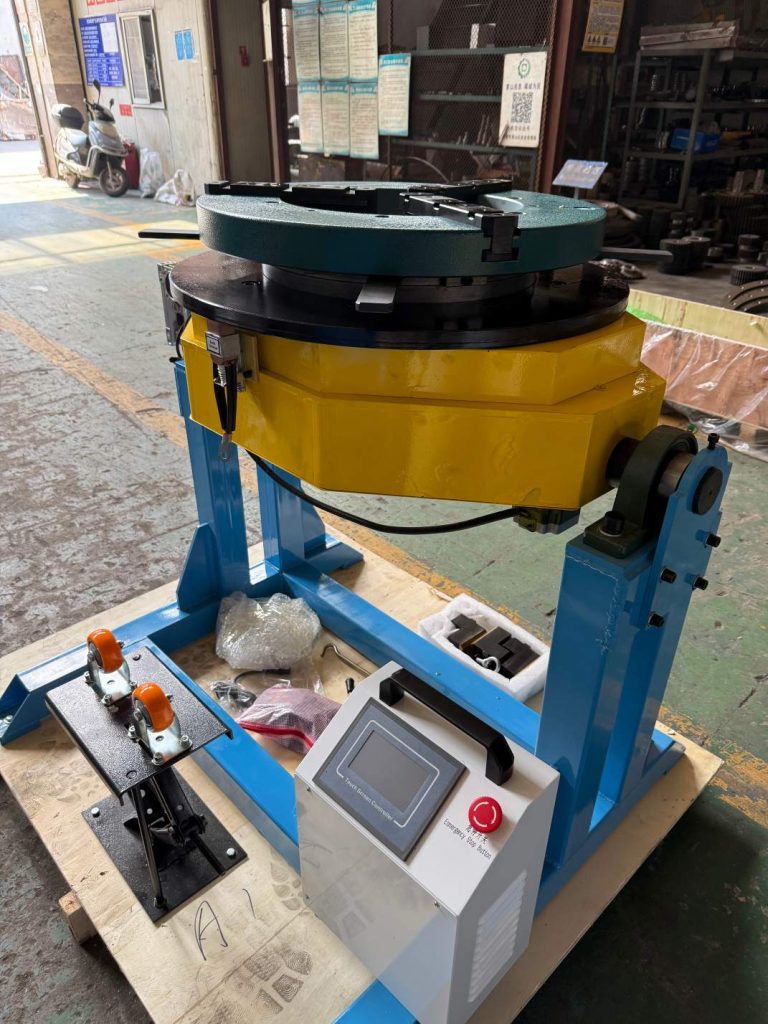
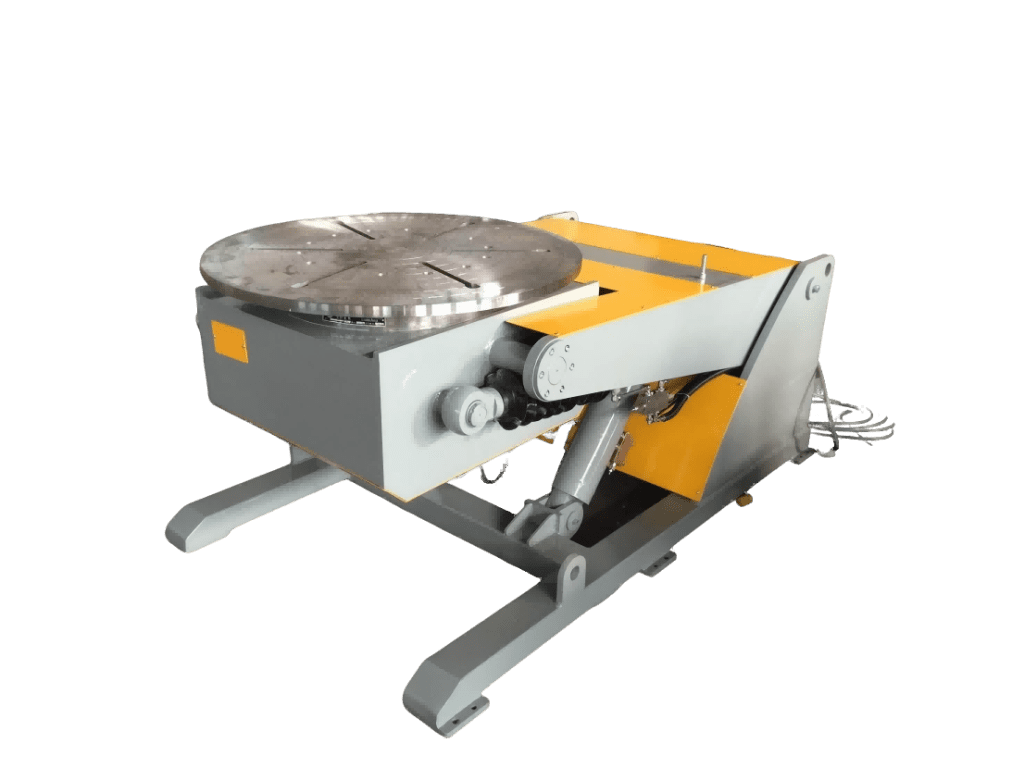
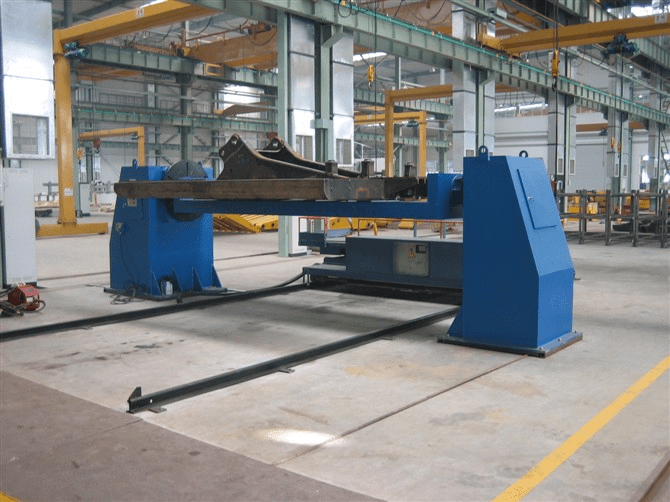
Ergonomic industrial positioners decide how long an operator can hold consistent torch angles on large weldments without fatigue. They are not a comfort upgrade. I have seen shops select a welding positioner on load capacity and table diameter alone, then deal with manual clamping heights and pendant cable routing that force welders into awkward postures. […]

Read More »

MIG Gas Flow Rate Settings That Prevent Weld Porosity

September 6, 2026

MIG gas flow rate is best set to the lowest setting that keeps full shielding coverage at the nozzle, verified on a test coupon. Most published charts recommend 20 to 25 cubic feet per hour (CFH) for general work, and that range works often enough to become a habit. But nozzle size, stick-out, shop airflow, […]

Read More »

RIDGID B500 Pipe Beveler: Limits and Smarter Alternatives

September 6, 2026

A portable pipe beveler only earns its place when it matches the pipe size, wall thickness, and joint volume the crew actually faces. That is why the RIDGID B500 pipe beveler still appears on so many pipe fitter tool lists. It covers a narrow but useful range: clamp-on beveling for small-diameter field welds without dragging […]

Read More »

Wind Power Used Today: Grid, Hydrogen, and Tower Welding

September 6, 2026

Wind power used today is far more than a utility scale electricity source. It participates in grid supply, industrial energy contracts, hydrogen production, and the manufacturing chain that builds welded steel towers and foundations. As a welding automation engineer, I see one truth behind each of those uses: a wind project lives or dies on […]

Read More »

Wind Turbines: Positives and Negatives in Practice

September 5, 2026

Most discussions of wind turbines stop at energy output and bird collisions. A fabrication shop or procurement team sees a different picture. The positives include long-term demand for large precision-welded steel structures. The negatives include tolerance control, logistics, and project scheduling risk that appear long before a turbine reaches the field. Having worked on wind […]

Read More »

CNC Plasma Tables: How They Work and What to Check

September 5, 2026

A CNC plasma table is a motorized cutting system that carries a plasma torch over a stationary plate and converts CAD geometry into programmed cut paths. Most introductory articles stop at that definition. In production shops, the practical difference between a dependable machine and an underused one is how the gantry, drive system, table frame, […]

Read More »

China Plasma Cutting Machine Supplier: What to Verify First

September 5, 2026

A plasma cutting machine that performs well in a showroom can still fail in your shop when the table width, plasma source, and input voltage do not match the plates you actually cut. Choosing a China plasma cutting machine supplier therefore starts with verification, not price comparison. I have seen too many orders go wrong […]

Read More »

Deep Fabrication: Processes, Equipment, and Buyer Decisions

September 5, 2026

A fabrication drawing looks straightforward until a 40 mm plate lands on the cutting table and the first weld pass starts pulling the frame out of tolerance. That is where deep fabrication stops being a general metalworking term and becomes an equipment and planning problem. After more than a decade working with welding automation and […]

Read More »

What Does AWS Stand For in Welding and Why It Matters

September 5, 2026

Most fabricators meet AWS long before they ever visit a weld test. AWS stands for the American Welding Society, the organization that develops welding codes, qualification rules, and inspection criteria used across structural, pressure vessel, and pipeline work. For procurement teams, the abbreviation is not just a certification badge; it defines which procedures, filler metals, […]

Read More »
1 … 19 20 21 … 49

Get Our Best Quotation

Contact