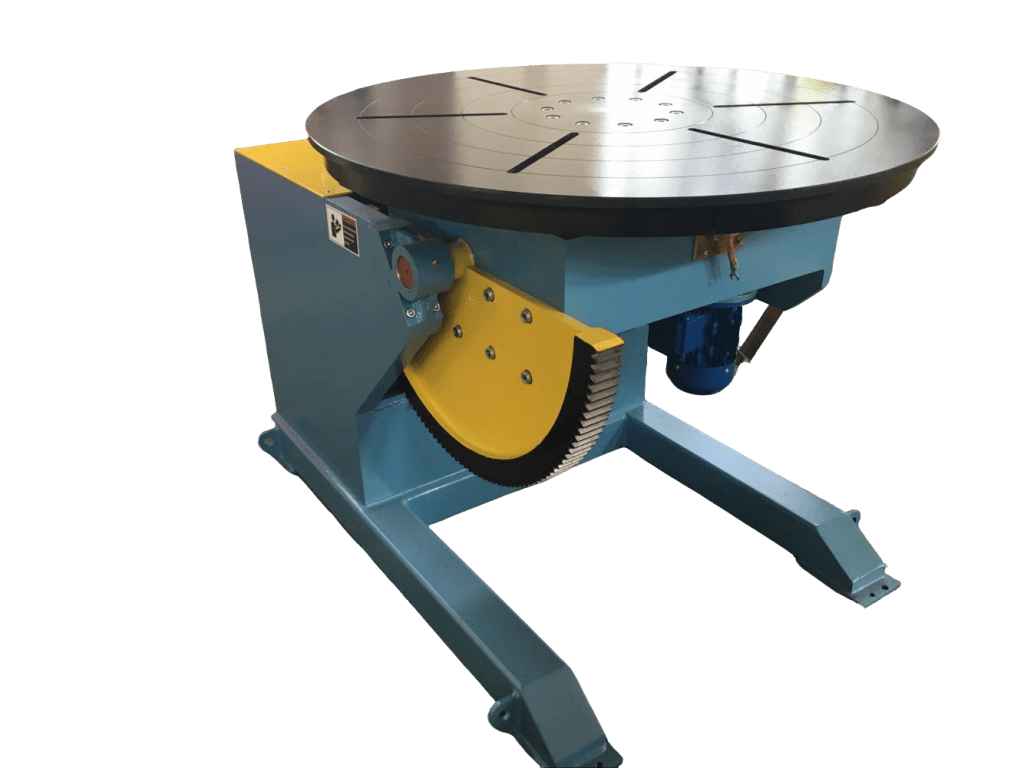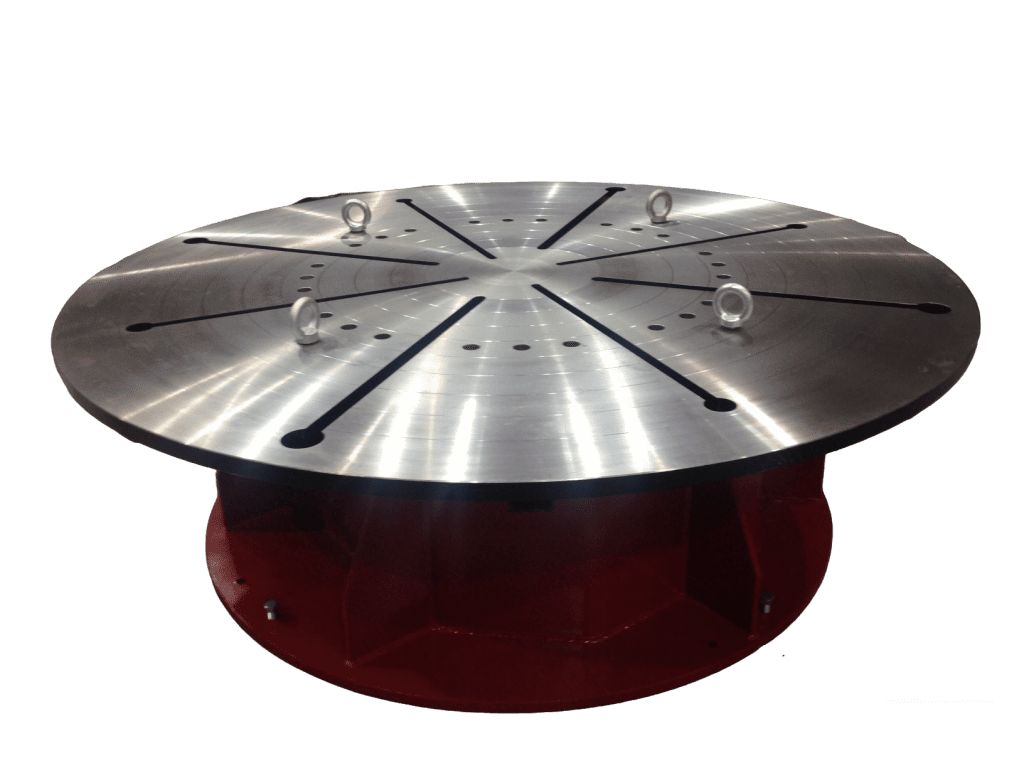
Modular Fixturing for Welding: Benefits and Applications

September 10, 2026
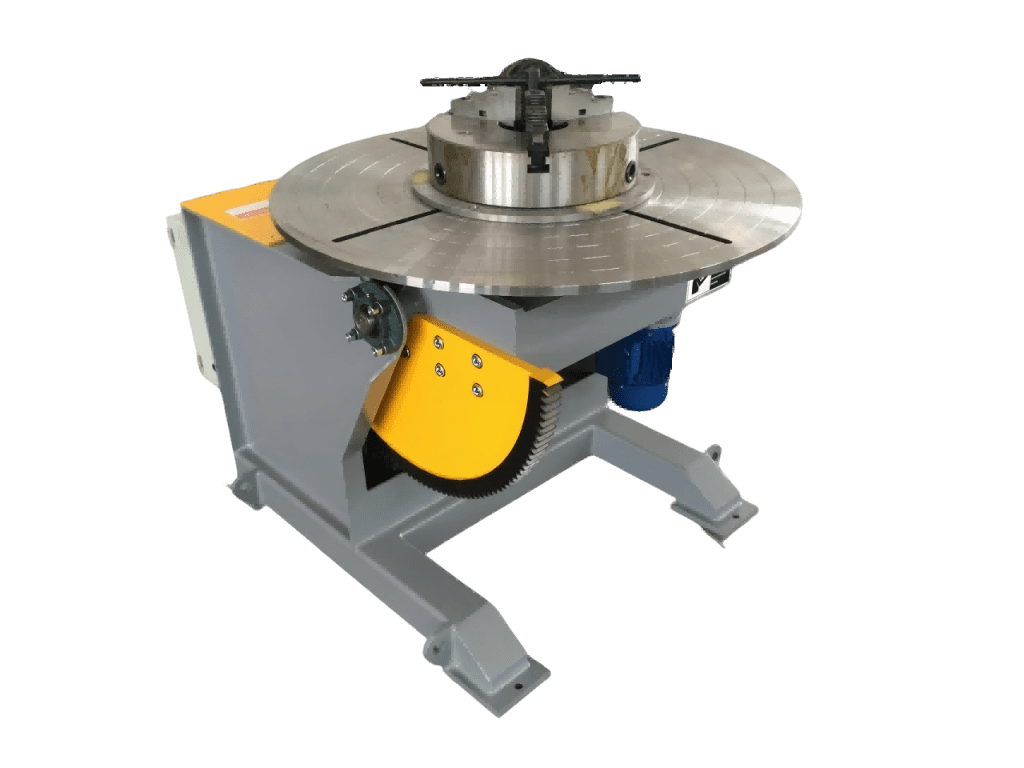
Modular fixturing changes how a shop moves from first article to production because it treats clamping points as reusable engineering data instead of job-specific plates and tack welds. I have seen weld cells cut setup time from hours to under an hour once they stopped rebuilding dedicated fixtures for each part family. The payoff is […]
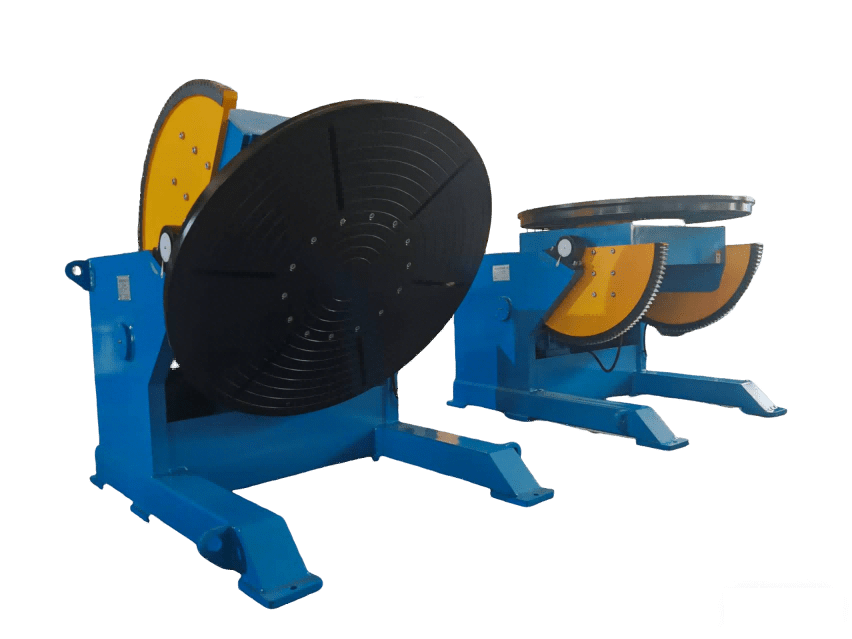
Read More »

Concave Weld Profile: Causes, Acceptance and Control

September 10, 2026

Concave weld profiles reduce usable throat thickness even when the weld face looks smooth and uniform. A concave fillet weld curves inward below the line between the two toes, so the load-carrying section can fall short of the design value while the surface appears acceptable. In more than twelve years of pipeline and structural welding […]

Read More »

Aluminum Welding: Key Process Choices and Defect Control

September 10, 2026

Aluminum welding rarely fails because a power source is too weak. In more than twelve years of working with automated welding systems, I have seen most aluminum weld defects trace back to three issues: oxide removal, shielding gas coverage, and heat input control. The sections below explain the process choices, preparation steps, and defect control […]

Read More »

Cobot Roboter: Collaborative Welding Automation Explained

September 10, 2026

Welding shops are asking more often whether a Cobot Roboter should sit next to a conventional welding positioner or manipulator. In many cases, the honest answer is no, and in a narrow band of high-mix, small-batch work the answer is yes. A collaborative robot is not a universal replacement for proven industrial automation. It is […]

Read More »

How to Evaluate a Welding Equipment Factory Before You Buy

September 10, 2026

When you search for a welding factory, the real decision is rarely about distance. A welding equipment factory close to you can still ship machines that do not match your production requirements, while a factory overseas can deliver certified equipment with better project support. As an industrial welding automation engineer, I have spent years correcting […]

Read More »

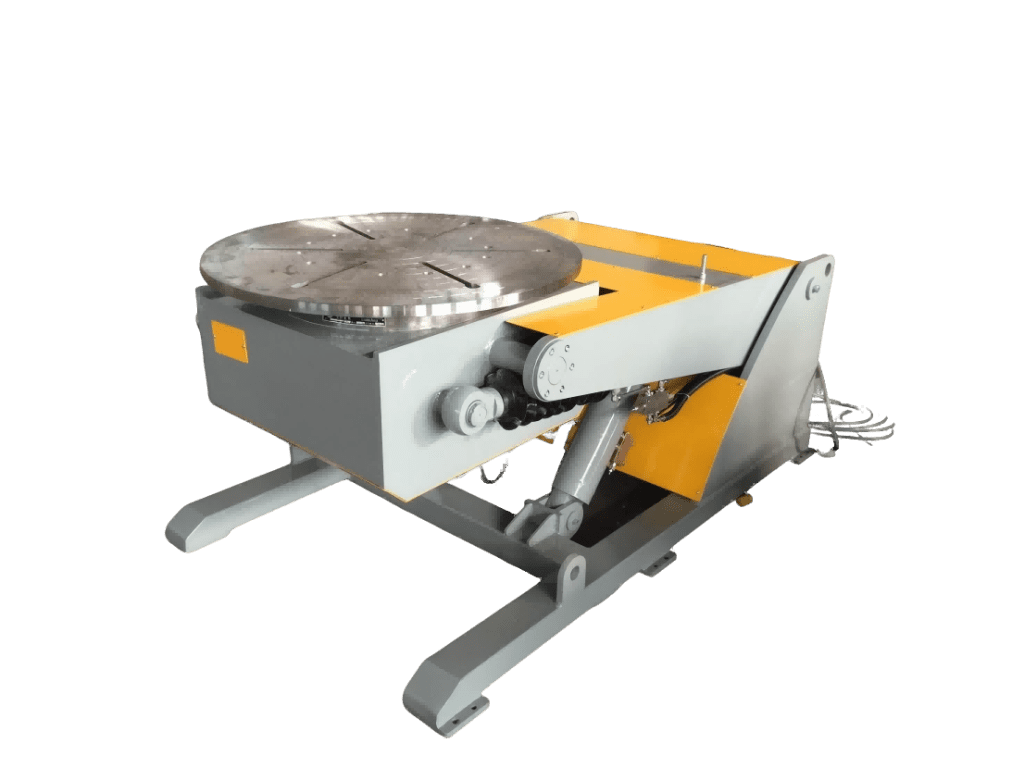
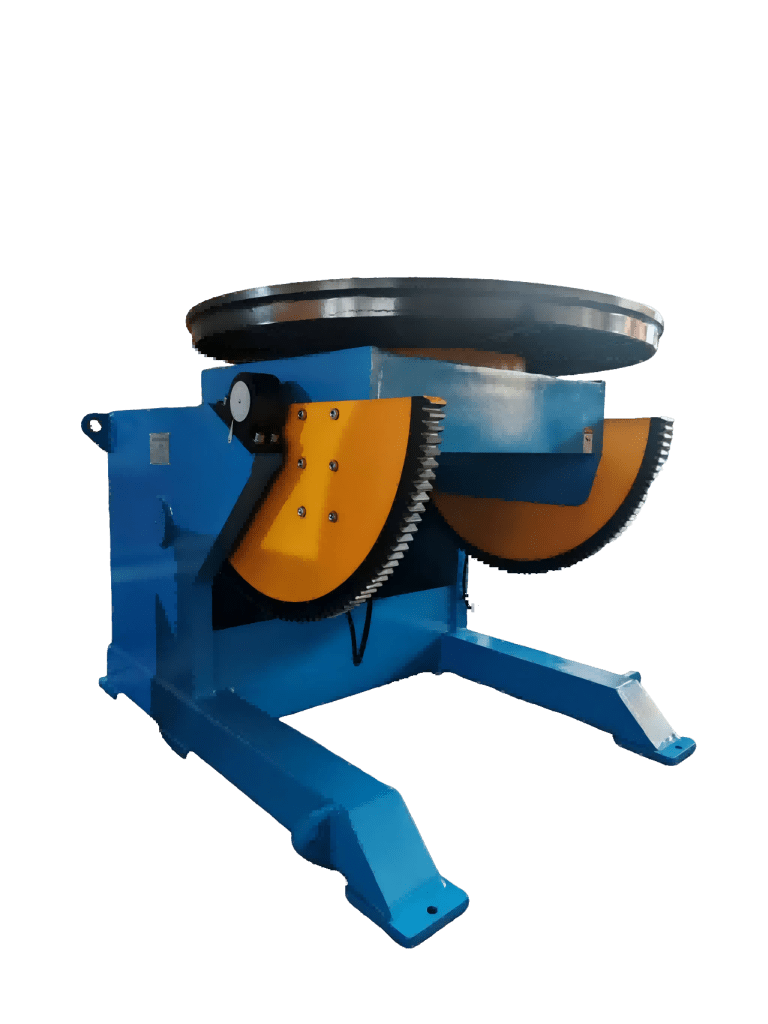
Heavy Duty Parts Positioners: 2026 Industrial Buyer’s Guide

September 9, 2026

Heavy duty parts positioners earn their place in manufacturing when the part is too large, too off center, or too repetitive to weld by hand. Buyers often compare the largest load ratings and ignore the two variables that decide whether a positioner runs for a decade or becomes a fixture problem: actual load path through […]

Read More »

Welding Safety Glasses: Choosing the Correct Shade and Lens

September 9, 2026

Welding safety glasses do more than shade a bright arc. In a welding bay, the eyes are exposed to ultraviolet and infrared radiation, hot particles, spatter, and mechanical impact. Most injuries come from choosing the wrong shade, not from missing eye protection altogether. I have worked on manual and automated welding lines where procurement teams […]

Read More »

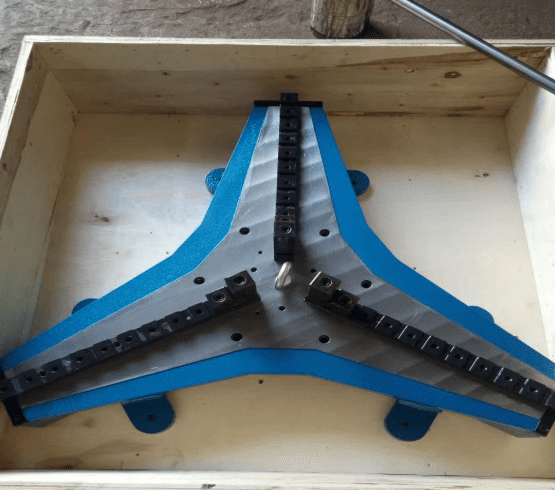
Modular Tooling for Welding: A Practical Buyer’s Guide

September 9, 2026

Modular tooling cuts fixture build time mainly when the locating scheme, not the component catalog, matches the welding process. Most buyers start with hole grids and clamp kits, then find that heat distortion and off-center loads determine whether the system repeats. In welding work, modular tooling succeeds when the base stays flat, the pins stay […]

Read More »

Welding Accessories: A Practical Buyer’s Guide for Shops

September 9, 2026

Welding accessories rarely make the shortlist when a workshop plans new equipment, but they decide whether a welding cell holds tolerance and keeps moving. I have watched a solid power source underperform because the wrong contact tip, worn cable, or undersized flowmeter created resistance, arc wander, and rework that no machine spec could fix. This […]

Read More »

Vessel Rollers: How They Work and Key Selection Criteria

September 9, 2026

Vessel rollers are the practical backbone of cylindrical fabrication. They rotate tanks, pressure vessels, and wind tower sections at a controlled speed while the welding head stays fixed, so the operator works on a stable puddle instead of chasing a seam. In my work with automated welding systems, I have watched an undersized roller set […]

Read More »
1 … 17 18 19 … 49

Get Our Best Quotation

Contact