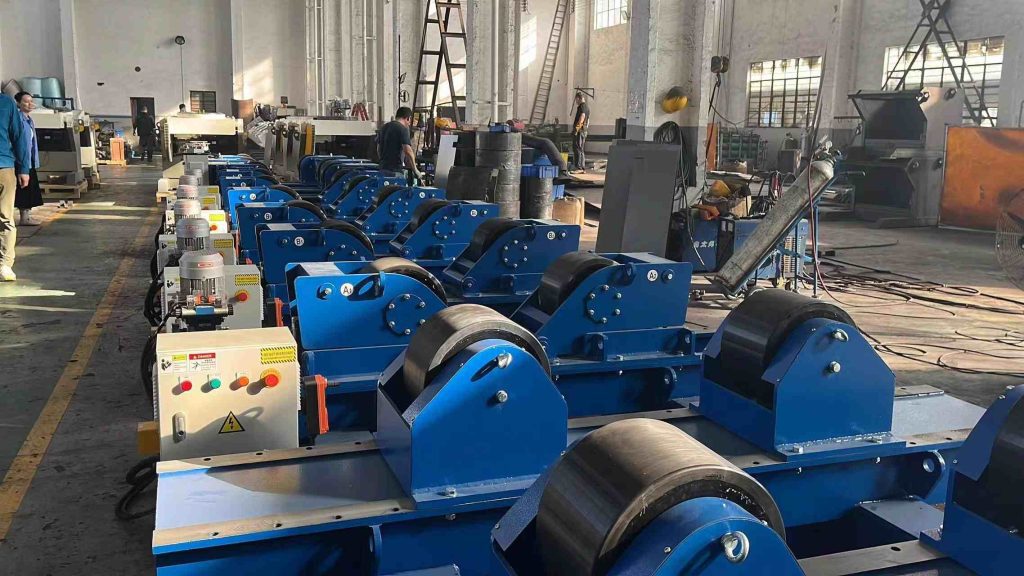
Undercut in Welding: Causes, Types and How to Prevent It

August 25, 2026
Undercut in welding, called socavado in Spanish, is a groove melted into the base metal at the toe of a weld and left unfilled. It reduces the joint cross-section and creates a notch that can become a fatigue crack path. Welders see it most often as a shadowed channel along the weld edge after slag […]
Read More »

Push or Pull Flux Core: Which Direction Gives Cleaner Welds

August 25, 2026

Push or pull flux core is not a matter of preference; it changes what happens under the flux layer. In most structural flux core work, pulling gives deeper penetration and cleaner slag behavior, while pushing suits thin, clean material where a flatter bead matters more than depth. I have watched weld qualifications fail when a […]

Read More »

How to Choose a Welding Positioner for Heavy Fabrication

August 24, 2026

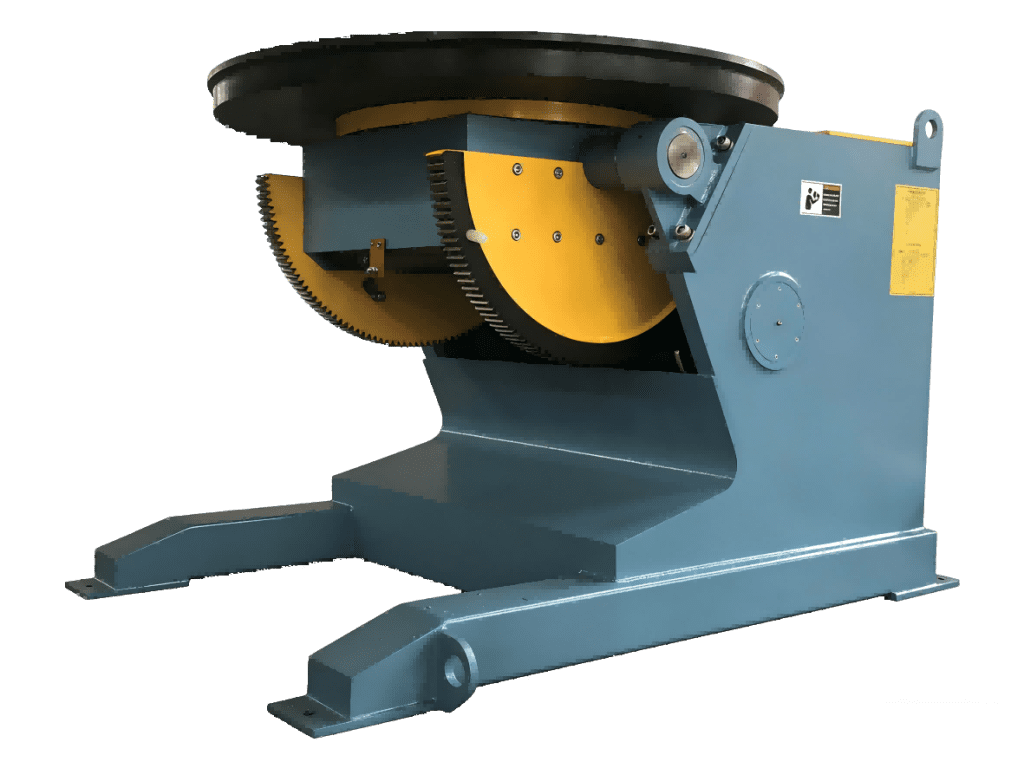
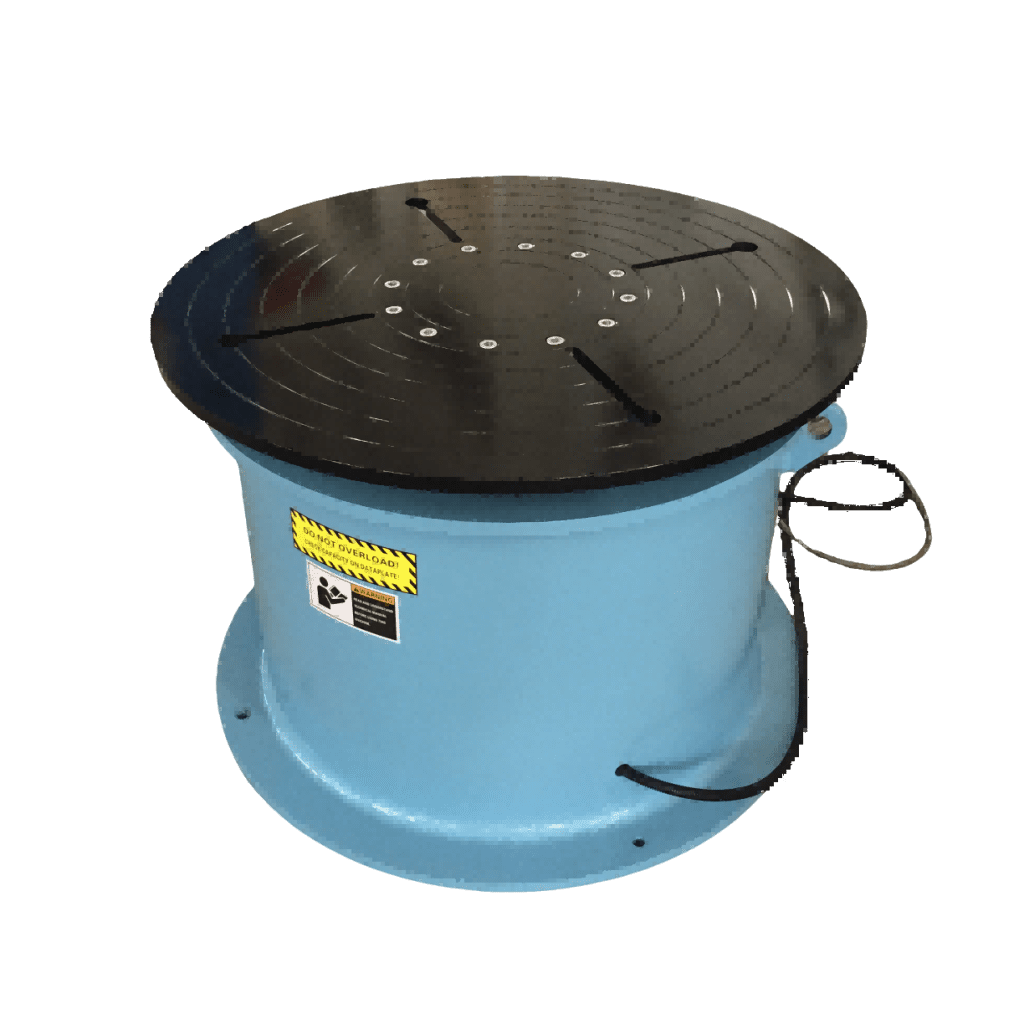
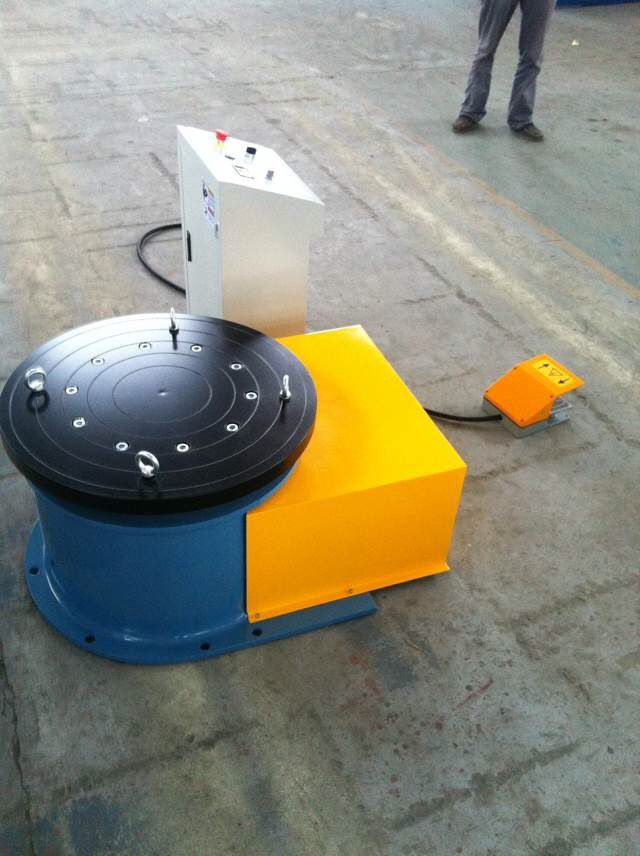
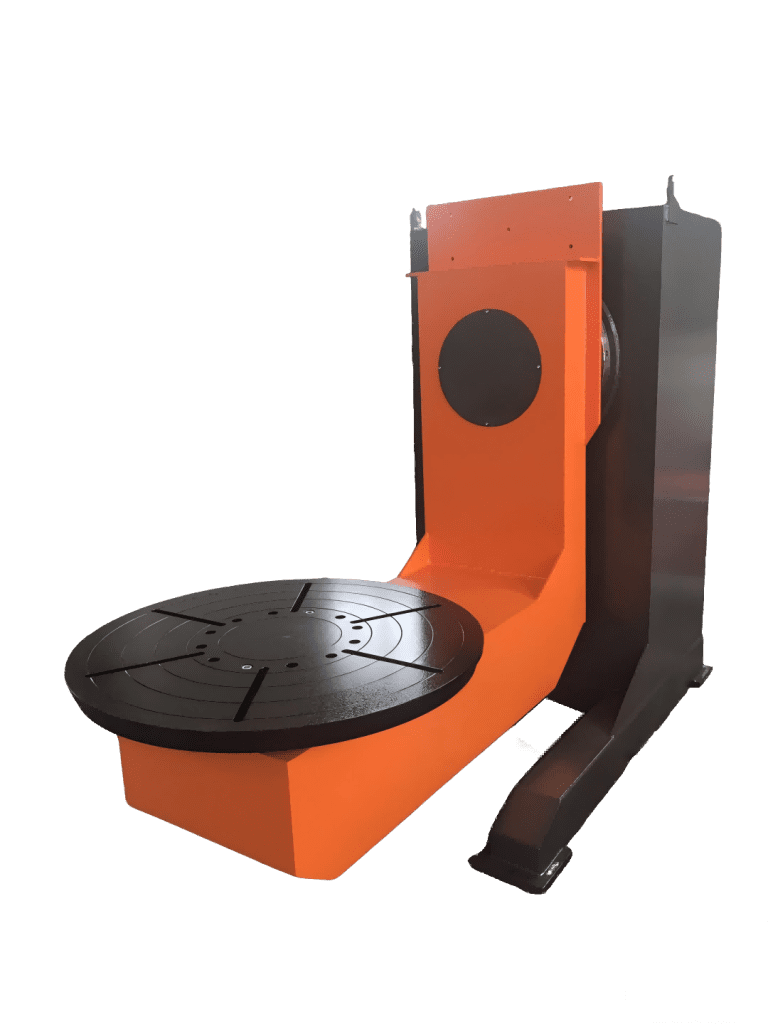
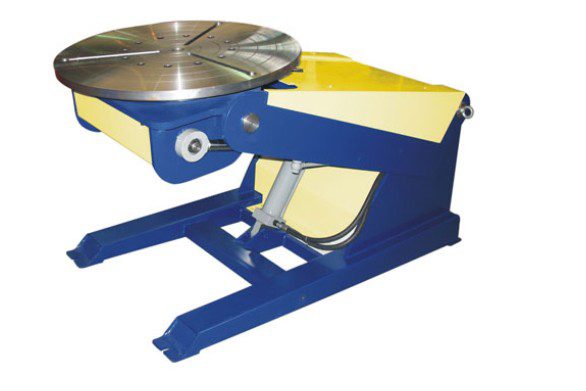
Welding positioner selection decides whether a pipe spool, vessel, or fabricated frame can be welded efficiently and safely. Most buying mistakes happen when a shop starts with worktable diameter or nominal load rating before defining the workpiece and the welding process. The positioner must match part geometry, the required weld positions, and the way operators […]

Read More »

Fixture Hardening System: Keeping Welding Fixture Accuracy

August 24, 2026

Fixture hardening systems are not a standalone machine. They are a hardening route applied to locating pins, clamp arms, slide rails, and fixture plates so those components keep their geometry after repeated weld cycles, abrasive contact, and thermal cycling. When fixture surfaces lose hardness, parts begin to shift, root gaps drift, and rework climbs. I […]

Read More »

Longitudinal Seam Welding Machine Guide for Tanks and Pipe

August 24, 2026

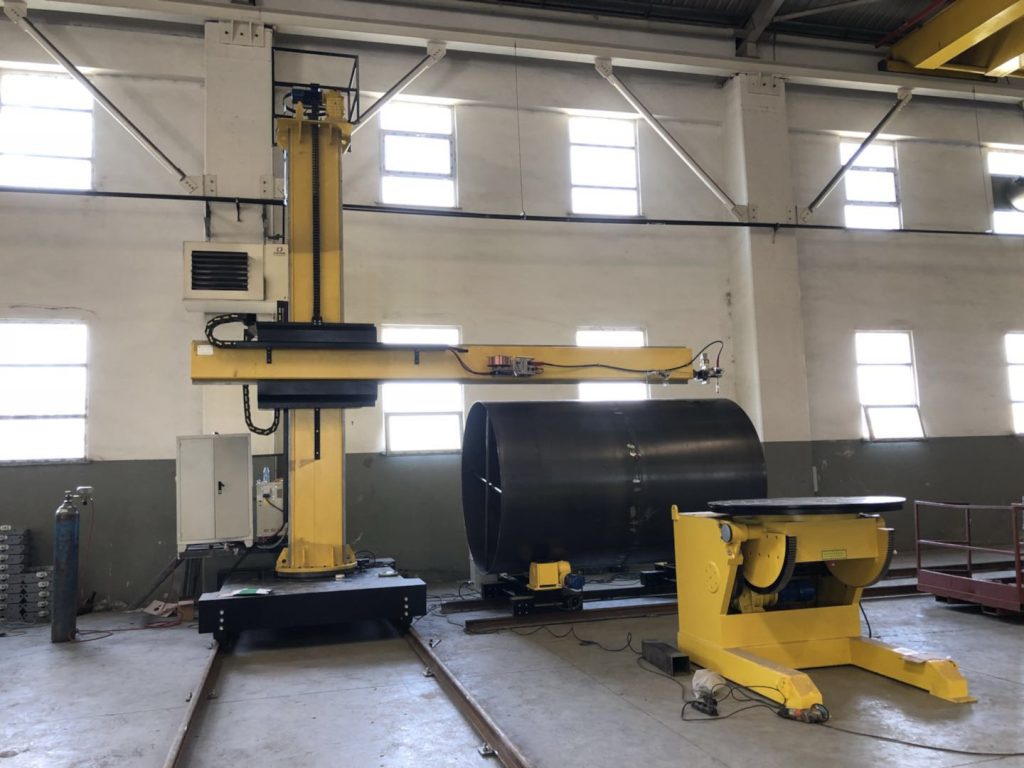
The difference between a tank that ships on schedule and one held for rework often comes down to one joint: the longitudinal seam. In our work at WUXI ABK MACHINERY, I see most fabrication teams treat a longitudinal seam welding machine as a commodity until they hit a heavy wall or a long shell. The […]

Read More »

Heavy Structural Steel Fabrication: Equipment and Quality

August 24, 2026

Structural steel fabrication succeeds or fails before a weld is ever deposited. Heavy sections carry tight dimensional tolerance through plate cutting, fit-up, welding, and final inspection, and the shops that hold those limits are the ones that automate where precision matters most. I have spent more than twelve years specifying welding and cutting systems for […]

Read More »

Cobot Systems for Welding Automation: Types, Uses and Tips

August 24, 2026

A collaborative robot that loses torch position between passes does not reduce labor cost. It creates rework. In welding automation, the value of cobot systems depends less on payload ratings than on how well the arm, fixturing, and workpiece positioning are matched as one workcell. I have watched too many projects stall because the robot […]

Read More »

Semi Automated Welding: Uses, Types and Selection Tips

August 23, 2026

Semi automated welding puts a skilled operator in direct control of torch position while the power source and wire feeder manage filler delivery and arc parameters. For many fabrication shops, that division of labor delivers higher deposition rates and more repeatable bead shape than fully manual welding, without the programming burden of a robotic cell. […]

Read More »

What an Automatic Pipe Roller Does for Pipe Welding

August 23, 2026

An automatic pipe roller turns the workpiece so a welder can hold one position and maintain a steady arc. For pipe spools, vessel shells, and tank seams, that rotation controls travel speed, weld bead shape, and heat input more consistently than a crane or chain rig ever will. The equipment itself is straightforward, a driven […]

Read More »

Cobot Technology for Welding Shops: What to Check First

August 23, 2026

Most welding teams that struggle with cobot technology are not fighting the arm. They are fighting part movement, weak workholding, and programs that do not match the weld sequence on the floor. Cobot technology changes the economics of automation when the part is presented the same way every cycle and when the programmer treats the […]

Read More »
1 15 16 17 39

Get Our Best Quotation

Contact