Welding and Metalworking: Industrial Processes, Equipment & Tips
Table of Contents
- Key Welding and Metalworking Processes and Their Applications
- Matching Welding and Metalworking Processes to Your Project Requirements
- Essential Equipment for Professional Welding and Metalworking Shops
- Setting Up an Efficient Workshop Layout
- Safety and Quality in Welding and Metalworking Operations
- Planning Your Welding Equipment Investment for Long-Term Results
- Common Questions About Welding and Metalworking
Welding and metalworking form the foundation of modern manufacturing and construction. From assembling structural steel frames to fabricating pressure vessels and CNC-cut components, the decisions a shop makes about processes and equipment directly determine the quality, efficiency, and scalability of its output. In over twelve years of working with industrial fabrication operations, I have found that the most consistent operations are those that invest early in the right combination of welding automation and supporting metalworking tools, a strategy that builds reliability into every project from the start. This guide outlines the key processes, practical selection factors, and equipment choices that help shops move from reactive repair to planned production.
Key Welding and Metalworking Processes and Their Applications
Arc welding processes like SMAW (stick), GMAW (MIG), GTAW (TIG), and FCAW account for the bulk of fabrication work. SMAW remains a field-repair standby because it works outdoors and on dirty surfaces. GMAW delivers high deposition rates for structural steel and automotive components, while GTAW is chosen for stainless pipe and thin-walled assemblies where bead appearance matters. FCAW bridges the gap, providing high productivity without the wind sensitivity that limits standard GMAW in open-air shops.
Beyond joining, metalworking covers cutting, forming, and machining. CNC plasma and flame cutting shape plate for subsequent welding, while beveling machines prepare edges for full-penetration welds on heavy sections. Pipe and plate rolling, drilling, and machining turn raw stock into assemblies ready for arc-on. Recognizing how these operations link helps planners sequence production to avoid bottlenecks.
Matching Welding and Metalworking Processes to Your Project Requirements
Selecting a welding process starts with the material type, thickness, and joint design, but production volume and shop environment carry equal weight. The table below compares common processes against real use cases.
| Process | Best For | Typical Materials | Key Equipment |
|---|---|---|---|
| SMAW | On-site repair, small-lot fabrication | Carbon steel, low alloy | Constant-current power source, electrodes |
| GMAW | High-volume structural and sheet work | Mild steel, aluminum, stainless | Wire feeder, shielding gas, power source |
| GTAW | Pipe and tube, precision fabrication | Stainless steel, nickel alloys, thin aluminum | Inverter TIG power source, foot or hand control |
| FCAW | Heavy plate, shipyard and outdoor work | Carbon steel, low alloy | Flux-cored wire, DC power source |
| Plasma cutting | Bevel cuts, plate profiling | All electrically conductive metals | Plasma power supply, CNC table, compressor |
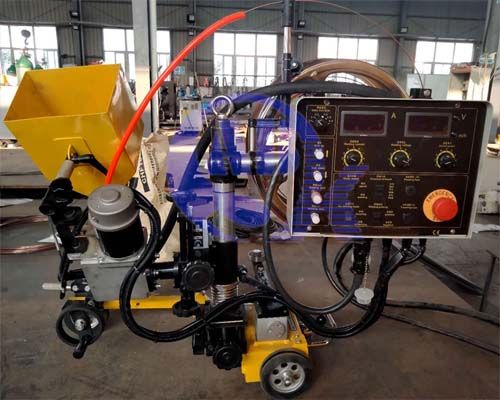
| Submerged arc | Longitudinal seams on cylinders, heavy wall | Carbon steel, low alloy | Welding manipulator or tractor, flux recovery |
If you are planning longitudinal seam welding on thick-walled cylindrical tanks, the torch height control and travel speed of your manipulator will directly affect bead quality and rework rate. That kind of detail is easier to dial in early with the right specification. Send your project parameters to [email protected] for a quick feasibility review.
Essential Equipment for Professional Welding and Metalworking Shops
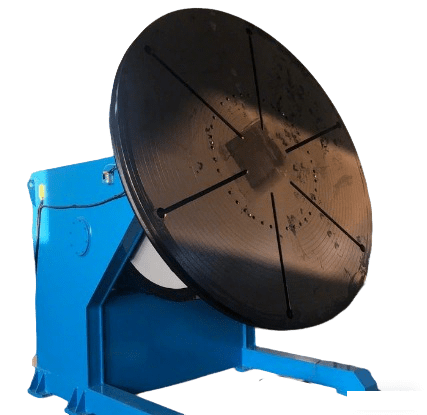
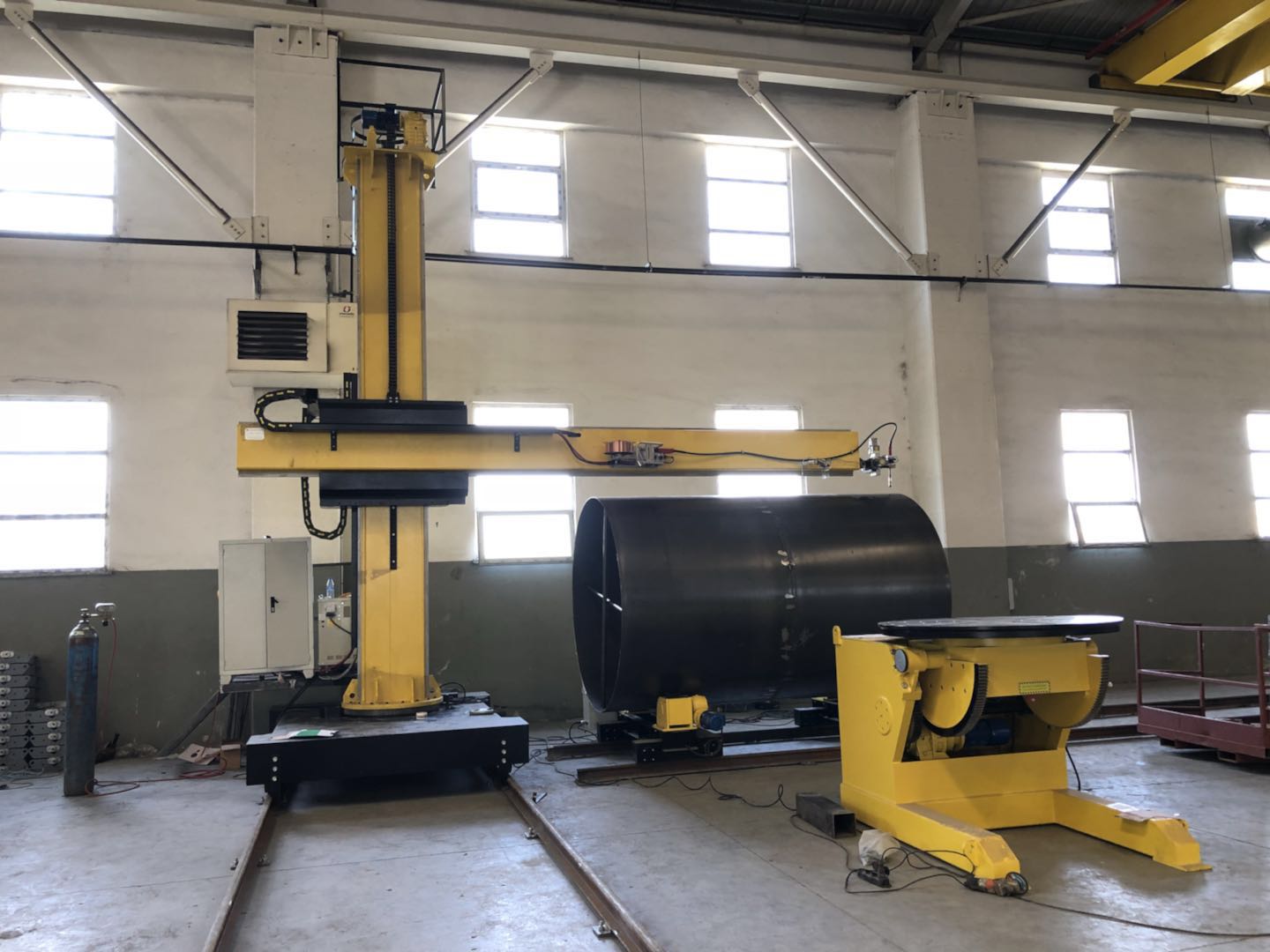
A production workshop requires more than a welding machine. The difference between a shop that struggles with setup time and one that runs consistent output often comes down to the handling and positioning equipment. Welding positioners rotate workpieces to keep every weld in the flat or horizontal position, while turning rolls support cylindrical vessels during girth and longitudinal seam welding. For large fabrications, column and boom manipulators deliver the welding head to the joint, keeping the operator away from heat and fumes.
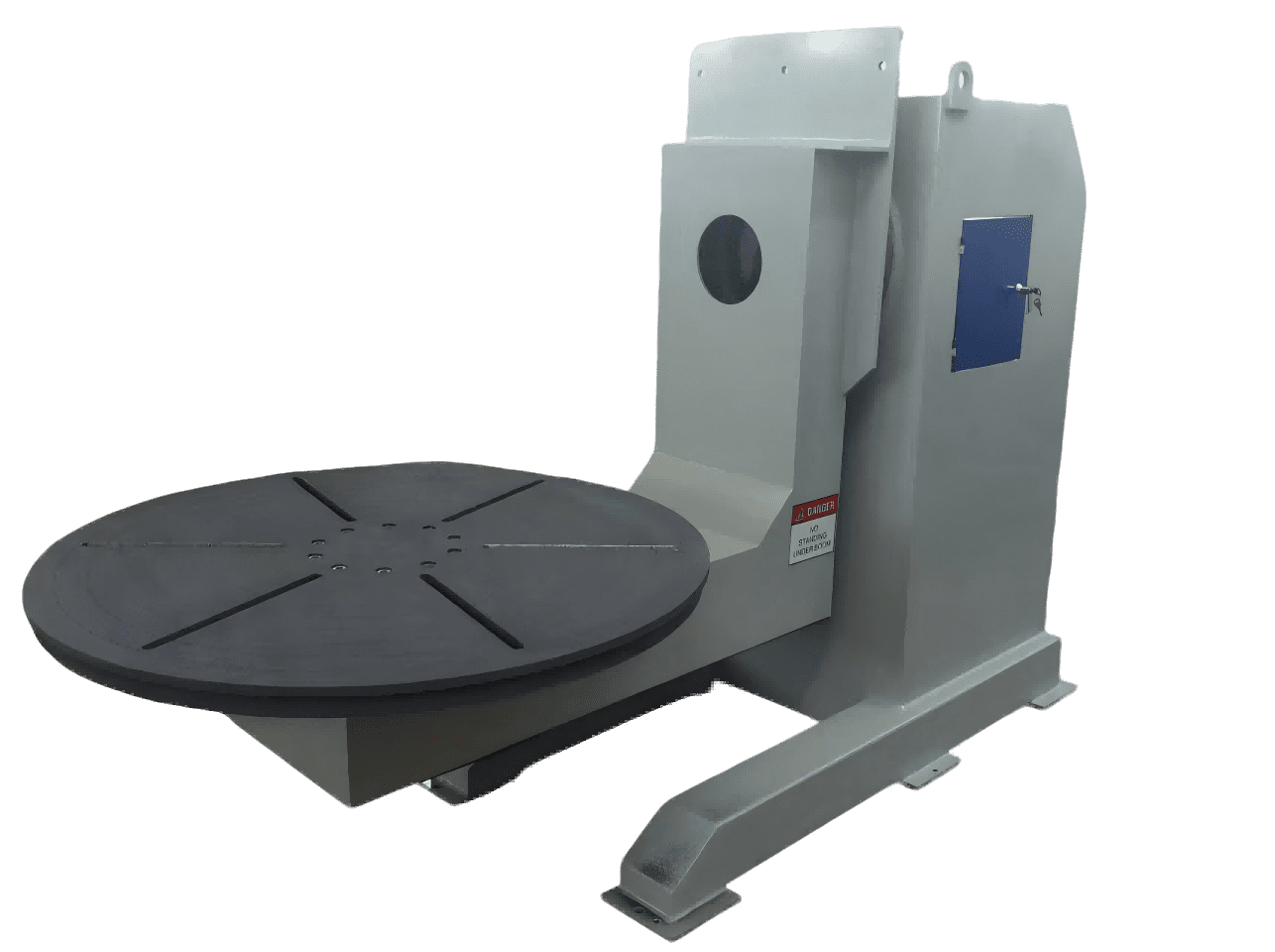
In our own manufacturing experience, every positioner and rotator we ship through WUXI ABK MACHINERY passes pre-delivery load testing and meets CE certification requirements. For global clients in over 40 countries, having equipment that arrives with verified performance data reduces installation uncertainty and speeds up the ramp to production.
Metalworking support equipment also deserves careful planning. CNC cutting tables, whether plasma, flame, or water jet, define the accuracy of fit-up that follows. A poorly cut bevel or a plate with excessive dross creates grinding hours and inconsistent root openings. Investing in a well-tuned cutting table and a matching beveling machine directly raises first-pass weld acceptance.
Setting Up an Efficient Workshop Layout
Workshop layout shapes productivity more than many new owners expect. Material should enter at one end, flow through cutting, fit-up, welding, and finishing, and exit without backtracking. For cylindrical work, a dedicated welding station with turning rolls and a manipulator creates a cell that minimizes crane moves and operator repositioning.
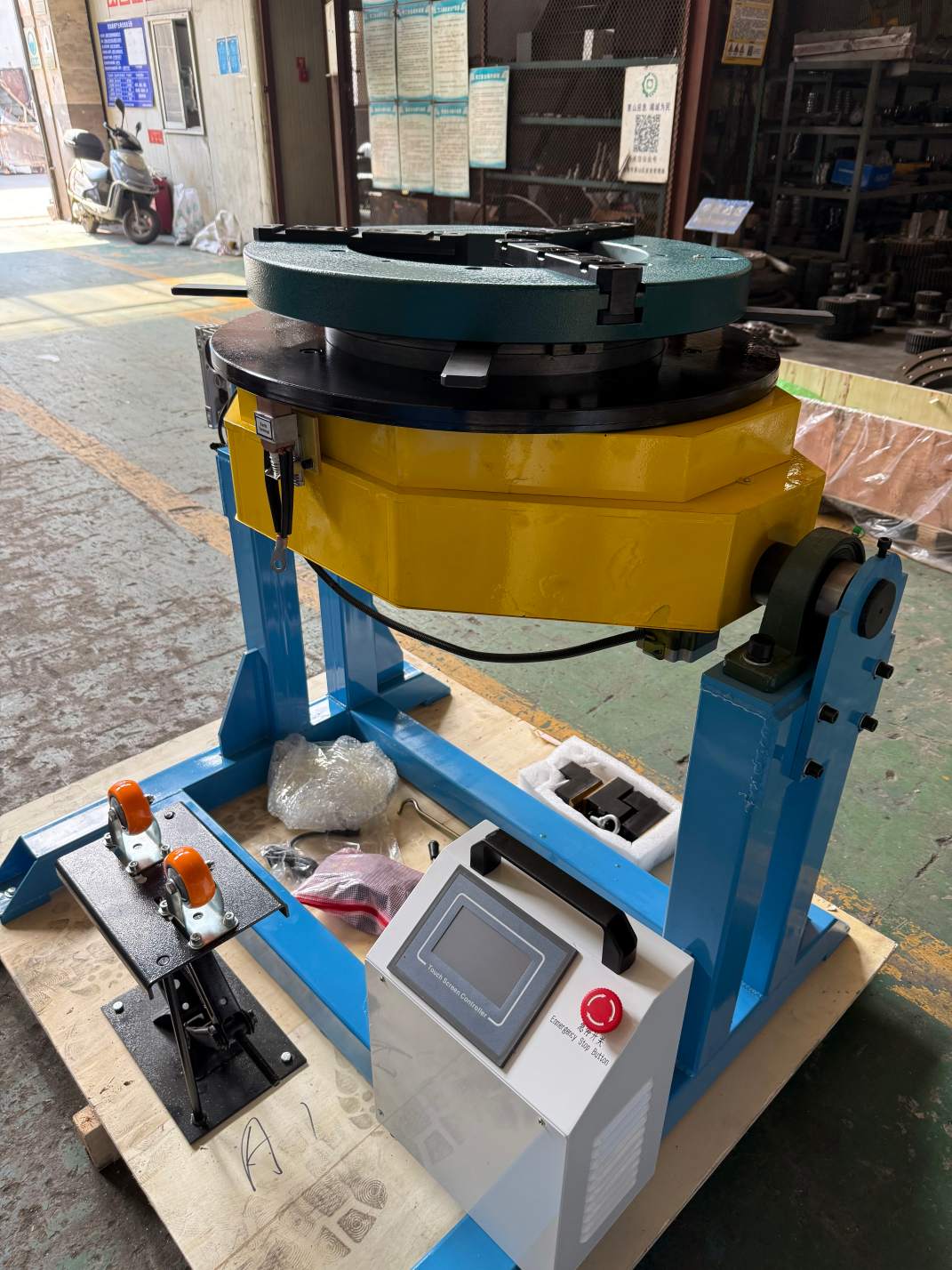
Automation reduces physical strain and improves repeatability. A heavy worktable with a welding turntable allows a fabricator to rotate small to medium assemblies without clamping and unclamping multiple times. On larger vessels, hydraulic fit-up rotators align shell sections before tacking, cutting the time needed to correct ovality issues. These tools are not just convenience items; they are production multipliers that pay back through fewer defect repairs and shorter cycle times.
Safety and Quality in Welding and Metalworking Operations
Industrial welding carries risks that good planning can control. Operators need auto-darkening helmets, flame-resistant clothing, and gloves rated for the process. Fume extraction systems are mandatory in enclosed spaces, and even in open shops, local exhaust near the arc protects lung health. Electrical safety procedures, including proper grounding of workpieces and regular inspection of cables and connections, prevent shocks and fire hazards.
Quality programs built around ISO standards or local codes add another layer of reliability. Calibrated welding gauges, periodic NDT testing, and documented welding procedure specifications give buyers confidence that the finished product meets design requirements. Shops that integrate quality checks into each production step catch defects before they become costly repairs.
Planning Your Welding Equipment Investment for Long-Term Results
Upfront equipment cost can feel like a hurdle, but viewing it against the cost of rework, missed deadlines, and limited capacity often flips the calculation. A shop that buys a reliable positioner and rotator set for its core product line can double output per operator and cut consumable waste from out-of-position welding. The steady coating of weld spatter on a floor that once needed daily sweeping is a small but telling sign that production is flowing.
Whether you are equipping a new workshop or upgrading an existing one, defining your production targets and the workpiece range lets a supplier propose the right configuration. If you need information on welding manipulators, turning rolls, or CNC cutting tables for your next project, contact me at [email protected] or call +86 13616174307 to start a technical discussion.
Common Questions About Welding and Metalworking
What is the best welding process for a beginner just entering metalworking?
Many trainers start with SMAW because it builds muscle memory for arc length and travel speed, but GMAW offers a gentler learning curve for someone focused on mild steel fabrication. The machine setup is more repeatable, and wire feed reduces the hand coordination needed for feeding filler rod. If the goal is production work, learning GMAW first often leads to faster on-the-job progress.
Which welding process is most cost-effective for heavy fabrication?
FCAW and submerged arc lead in deposition rate for heavy sections. FCAW handles outdoor conditions well and needs less sophisticated gas shielding, while submerged arc produces deep penetration with minimal spatter and no visible arc. The choice usually depends on whether the work rotates under a manipulator or must be done in position.
Is MIG or TIG the better choice for stainless steel work?
It depends on the application. For sheet metal enclosures and general fabrication, MIG with a tri-mix shielding gas gives good speed and acceptable appearance. For sanitary piping, pressure parts, or thin-walled assemblies where oxide formation must be minimized, TIG provides finer control of the puddle and lower heat input.
What safety equipment is mandatory in a welding workshop?
At minimum, an auto-darkening welding helmet, fire-resistant jacket, leather gloves, and steel-toe boots. A powered air purifying respirator becomes necessary when welding stainless or coated materials. Fume extraction at the arc source and CO2 monitoring in confined spaces are also regulatory requirements in most regions.
How can I improve the quality of my welded joints?
Start with joint preparation. Clean the metal to bright finish, remove mill scale and oil, and maintain consistent root opening and bevel angle. For long seams, using a welding manipulator or a tractor ensures uniform travel speed, which is hard to achieve manually. Practicing with a fillet gauge and recording parameters for each joint type builds a repeatable procedure. If you are working toward a certification or moving into code-level production, a quick application review can highlight the equipment and process adjustments that have the biggest impact. Send your requirements to [email protected], and we can help you sort out the variables before you start.
If you’re interested, check out these related articles:
Welding Equipment Factory Audits: Secure Quality Before Purchase
Automating Wind Tower Welding: Boost Productivity and Quality
Evaluate ROI of Welding Automation Business Investment
CNC Flame Cutting: Precision Cutting for Heavy Plate Fabrication