Full Breakdown of Wind Tower Manufacturing: Production Flow & Key Equipment

June 11, 2026

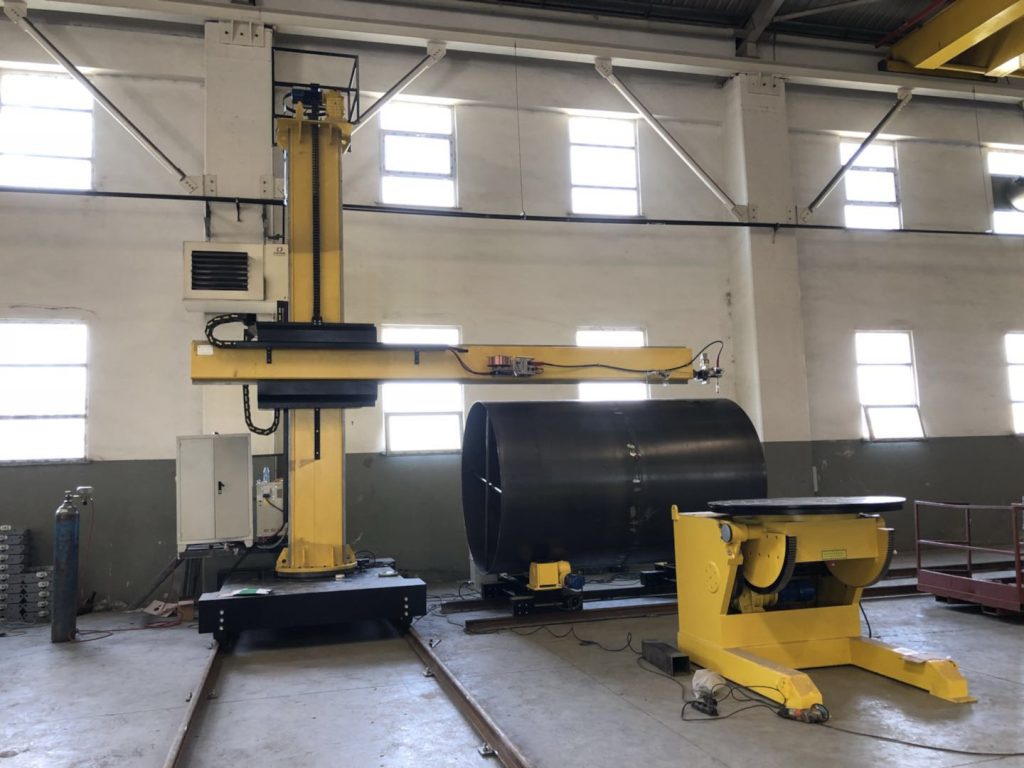
The wind tower manufacturing process turns flat steel plates into large tubular sections that must withstand extreme structural and environmental loads. While the basic fabrication sequence—cutting, rolling, welding, inspection—is widely understood, the difference between a low-output workshop and a high-capacity line lies in the welding automation equipment. Over the past decade, our team has helped […]

Read More »

Head and Tail Welding Positioners Designed for Long, Heavy Fabrication Workpieces

June 9, 2026

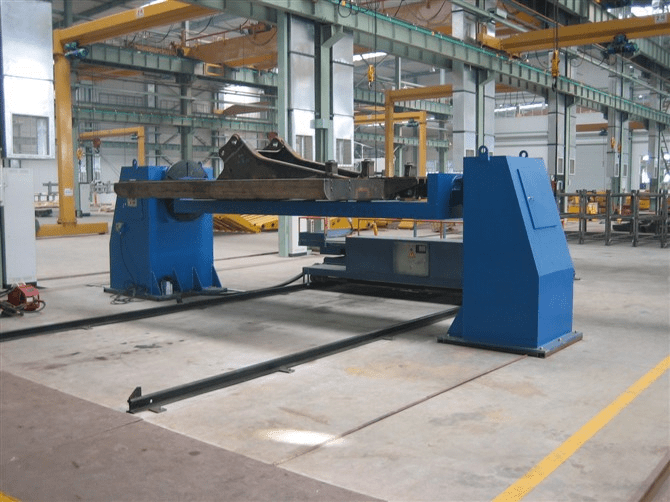
In heavy fabrication shops, rotating a 15-meter wind tower section or a multi-ton pressure vessel for welding demands more than just lifting capacity. The workpiece must turn smoothly and hold position without sagging or losing alignment. A head and tail welding positioner distributes the weight between two synchronized supports, making it possible to weld long, […]

Read More »

Main Types of Welding Positioners: 3-Axis, L-Type and Head & Tail Models

June 8, 2026

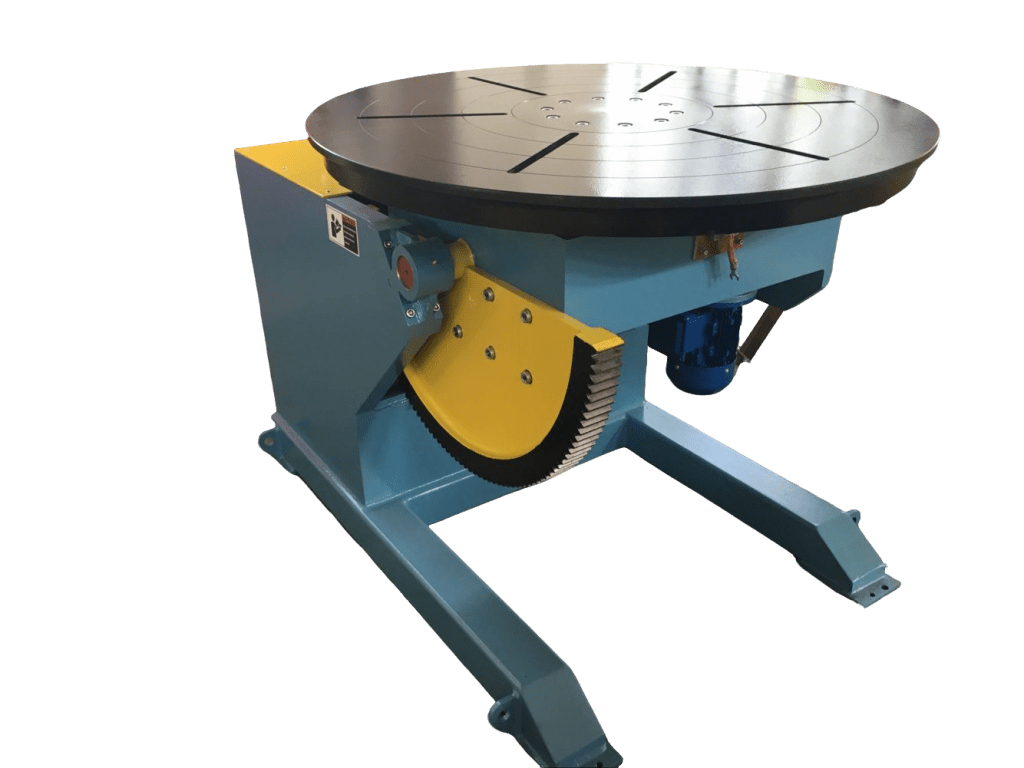
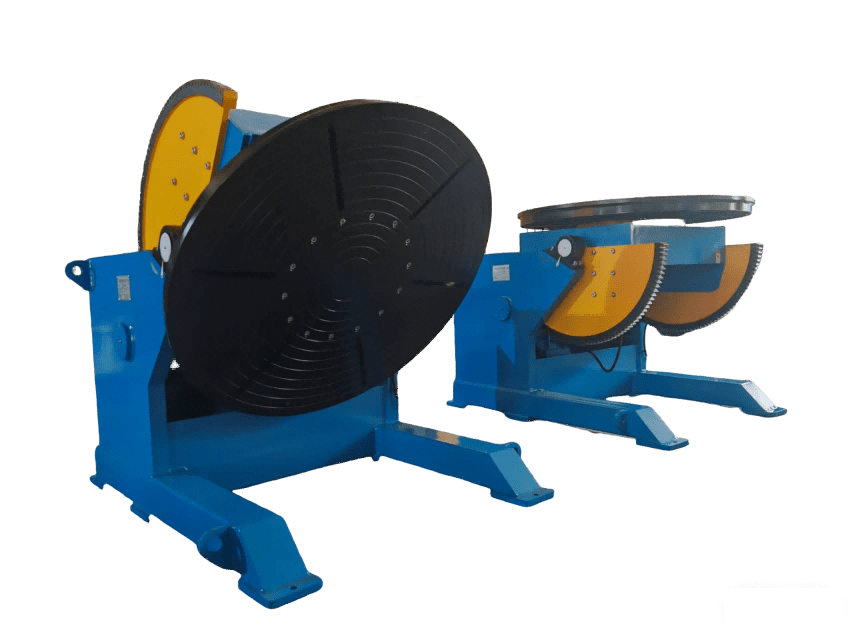
Welding positioner types directly shape production throughput and integration cost because each configuration imposes unique floor space, handling, and control requirements. After twelve years of configuring automated welding cells, I’ve found that the L-type positioner offers the best balance of cost, versatility, and integration simplicity for most medium-sized fabrication shops. But long or heavy workpieces […]

Read More »

Pipe Diameter Guide to Selecting the Right Pipe Welding Rotator

June 7, 2026

If you’ve ever ordered a welding rotator only to discover it cannot grip your smallest pipe or safely rotate your largest, you already know that load capacity alone is not the answer. The usable diameter range is what determines whether a rotator earns its place on the floor. In this article I’ll walk through the […]

Read More »

Vertical Electrogas Welding Machine Used for Large Storage Tank On-site Welding

June 6, 2026

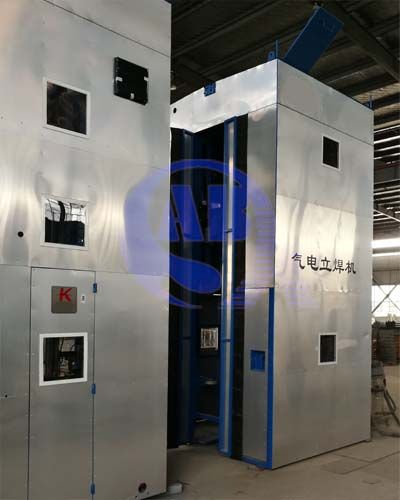
Storage tank fabrication demands welding processes that can join thick steel plates efficiently while maintaining stringent quality standards. A vertical electrogas welding machine achieves this by enabling single-pass, high-deposition welding on vertical seams, significantly reducing the time required for shell construction. After supporting numerous tank welding projects, I’ve found that the true productivity of these […]

Read More »

Improve CNC Cutting Edge Quality for Wind Tower and Pressure Vessel Fabrication

June 5, 2026

In wind tower and pressure vessel fabrication, CNC cutting edge quality directly determines the integrity of welded joints. The surface condition of a cut plate dictates bevel geometry, heat-affected zone (HAZ) characteristics, and subsequent weld penetration. For fabricators working to EN 1090-2 or ASME BPVC, delivering a cut edge that meets code requirements without excessive […]

Read More »

Oil & Gas Storage Tank Welding: API-Certified Welding Equipment Selection

June 4, 2026

For many fabricators, achieving code compliance on an oil and gas storage tank feels like mastering the welding procedure alone. But after more than twelve years integrating automated welding systems for global tank projects, I’ve seen that the equipment you choose often determines whether you meet API requirements from the very first seam. API 650 […]

Read More »

CNC Laser Cutters: High Precision Cutting for Thin and Medium Plates

June 3, 2026

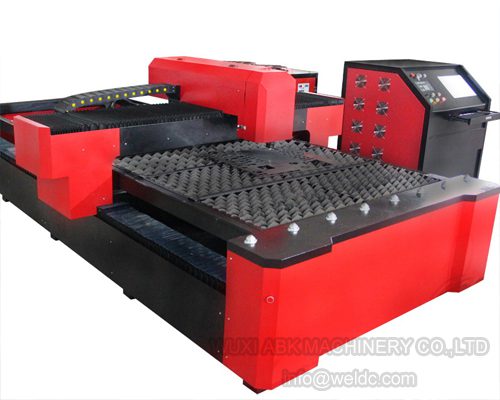
When a fabricator invests in a CNC laser cutting machine for thin and medium plate, the goal is clear: parts that drop out with clean, square edges and no dross. Yet many shops struggle with inconsistent cut quality across different thicknesses, a problem often traced not to the laser source itself but to the interplay […]

Read More »

Wind Tower Welding Rotators: Load Capacity Standards & Selection Guide

June 2, 2026

Welding rotator capacity requirements for wind tower manufacturing are distinct from general steel fabrication. The combination of massive shell sections, wide diameter variations, and the need for continuous submerged arc welding imposes load and stability criteria that go beyond simple tonnage ratings. Base sections weighing 60 to 100 metric tons and spanning over 4.5 meters […]

Read More »
1 8 9 10 13

Get Our Best Quotation

Contact