Selecting Industrial Welding Equipment for Heavy Fabrication

September 12, 2026
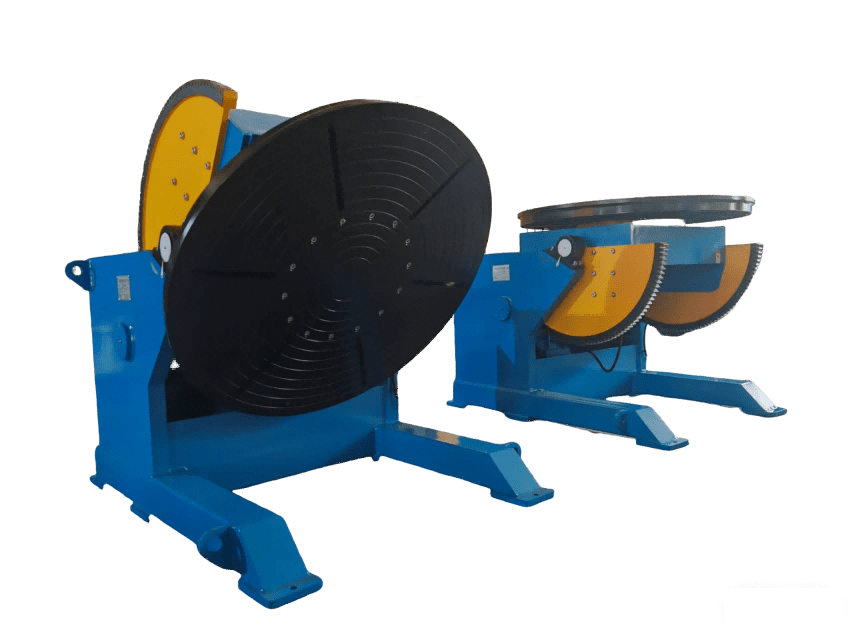
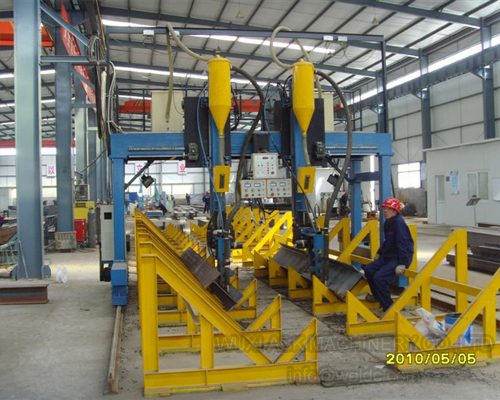
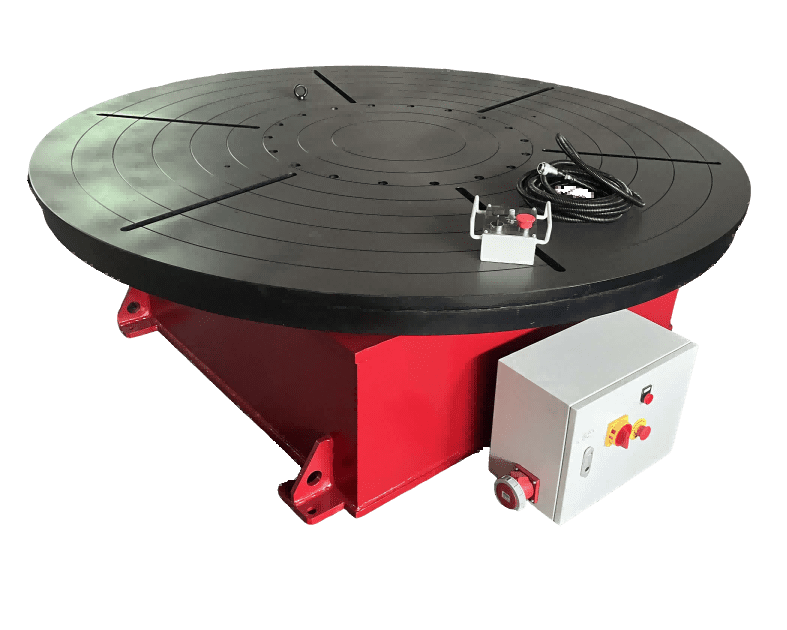
Selecting industrial welding equipment for heavy fabrication fails most often at the integration points among the power source, positioner, and workpiece, not at the arc itself. Shops that compare only voltage, amperage, and table diameter end up with machines that fit the data sheet but interrupt the production sequence. I have spent twelve years working […]
Read More »

What Is Metal Active Gas Welding? Basics, Benefits and Uses

September 11, 2026

Metal Active Gas Welding powers most heavy fabrication lines, but the gas mixture and equipment setup often decide whether a weld is clean and repeatable or consumed by spatter and rework. We have seen shops buy an advanced power source and then run it with an undersized wire feeder or the wrong CO2 argon balance, […]

Read More »

GTAW vs GMAW: Choosing the Right Process for Your Welds

September 11, 2026

GTAW vs GMAW is not a contest between a better process and a worse one; it is a decision controlled by material thickness, weld position, production volume, and the quality record the finished part must carry. In twelve years of welding automation work, I have seen both processes fail when the selection ignored the actual […]

Read More »

Metal Plate Welding: Core Processes and How It Works

September 11, 2026

Metal plate welding is the fusion joining of steel, stainless steel, or aluminum plates thick enough to require controlled fit-up, edge preparation, and multi-pass planning. After more than twelve years in welding automation and CNC cutting systems, I have seen plate programs fail less often from the arc itself than from decisions made before welding […]

Read More »

7 Causes of Porosity in Welding and How to Prevent It

September 11, 2026

Porosity in welding is a defect that often survives machining and coating before it is caught, making early control far less expensive than repair. In most production environments I have investigated, the root cause is not the power source or alloy chemistry. It is a breakdown in gas shielding, surface preparation, or arc stability. I […]

Read More »

Welding Lenses Explained: Shades, Standards, and Selection

September 11, 2026

Welding lenses are the first line of eye protection in any arc welding process, and choosing the wrong shade, optical class, or filter response creates eye fatigue, missed weld defects, and long-term vision damage. In my work with welding equipment and automated production cells, I have seen shops specify expensive positioners and manipulators, then leave […]

Read More »

Modular Fixturing for Welding: Benefits and Applications

September 10, 2026

Modular fixturing changes how a shop moves from first article to production because it treats clamping points as reusable engineering data instead of job-specific plates and tack welds. I have seen weld cells cut setup time from hours to under an hour once they stopped rebuilding dedicated fixtures for each part family. The payoff is […]

Read More »

Concave Weld Profile: Causes, Acceptance and Control

September 10, 2026

Concave weld profiles reduce usable throat thickness even when the weld face looks smooth and uniform. A concave fillet weld curves inward below the line between the two toes, so the load-carrying section can fall short of the design value while the surface appears acceptable. In more than twelve years of pipeline and structural welding […]

Read More »

Aluminum Welding: Key Process Choices and Defect Control

September 10, 2026

Aluminum welding rarely fails because a power source is too weak. In more than twelve years of working with automated welding systems, I have seen most aluminum weld defects trace back to three issues: oxide removal, shielding gas coverage, and heat input control. The sections below explain the process choices, preparation steps, and defect control […]

Read More »

Cobot Roboter: Collaborative Welding Automation Explained

September 10, 2026

Welding shops are asking more often whether a Cobot Roboter should sit next to a conventional welding positioner or manipulator. In many cases, the honest answer is no, and in a narrow band of high-mix, small-batch work the answer is yes. A collaborative robot is not a universal replacement for proven industrial automation. It is […]

Read More »
1 6 7 8 39

Get Our Best Quotation

Contact