L-Type Welding Positioners: Applications and Load Capacity Guide
Table of Contents
- How L-Type Positioner Design Affects Your Welding Access
- Where L-Type Welding Positioners Deliver the Most Value
- How to Calculate Load Capacity for Your Application
- What Features Matter When Selecting an L-Type Positioner
- How Advanced Positioners Change Welding Shop Productivity
- Frequently Asked Questions
- What is the typical lifespan of an L-Type welding positioner?
- Can L-Type positioners be integrated with robotic welding systems?
- Are there specific safety precautions for operating L-Type welding positioners?
Achieving consistent, high-quality welds on complex or heavy workpieces presents real challenges in fabrication shops. L-Type welding positioners address this directly by letting operators manipulate parts into optimal welding positions, improving both access and safety. These machines handle substantial loads while offering flexible rotation and tilt capabilities that directly affect weld quality and production throughput.
How L-Type Positioner Design Affects Your Welding Access
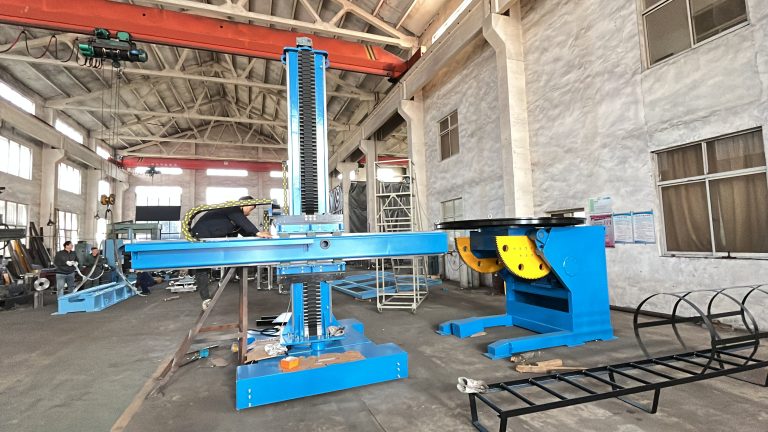
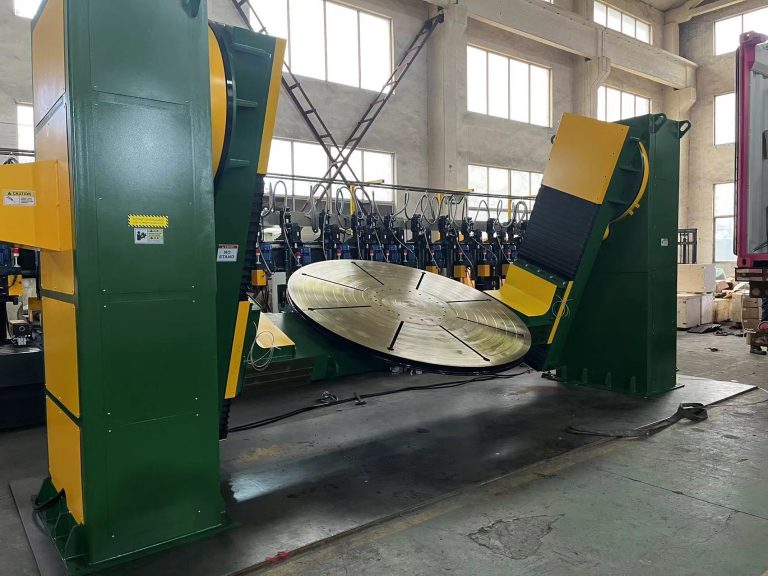
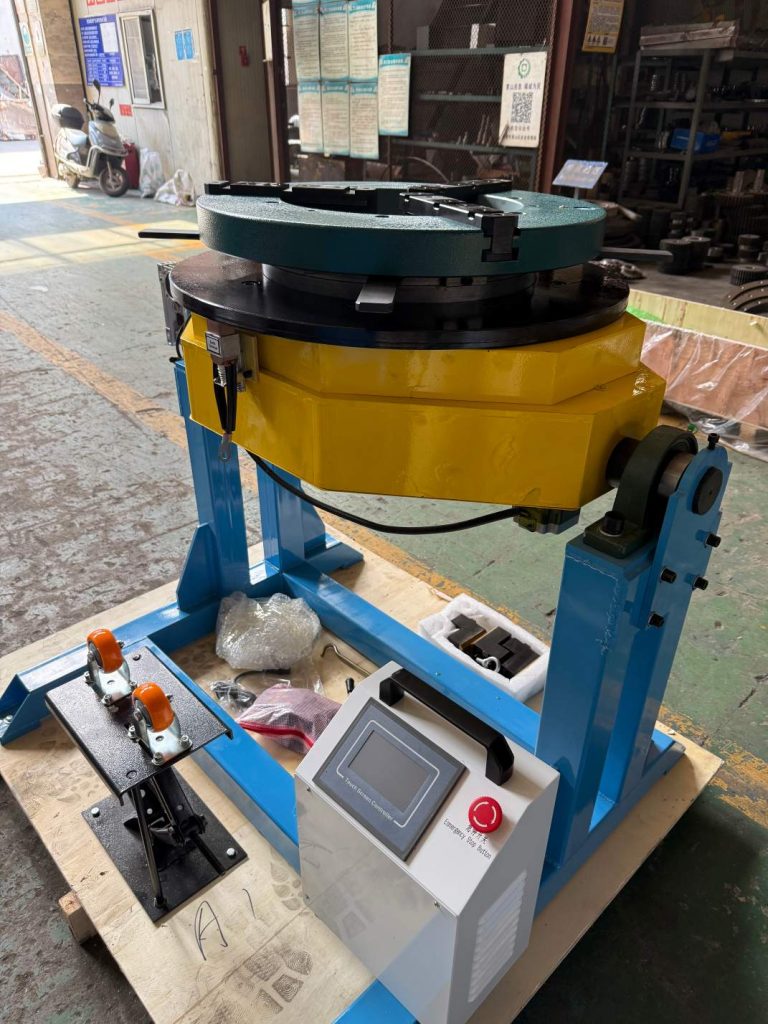
L-Type welding positioners get their name from the distinctive L-shaped arm configuration that supports the workpiece. This geometry provides a greater range of motion and better access to intricate part features than traditional rotary tables can offer. The core mechanics involve a robust base, a rotating and tilting arm, and a control system managing these movements.
The arm typically rotates 360 degrees on a horizontal axis and tilts through a wide angular range, often reaching 135 degrees. This dual-axis movement lets welders maintain comfortable, ergonomic postures while applying welds in flat or horizontal positions—orientations that generally produce superior quality. WUXI ABK MACHINERY CO., LTD has manufactured this equipment for over two decades, building designs that meet European and ISO/CE standards for durability and performance.
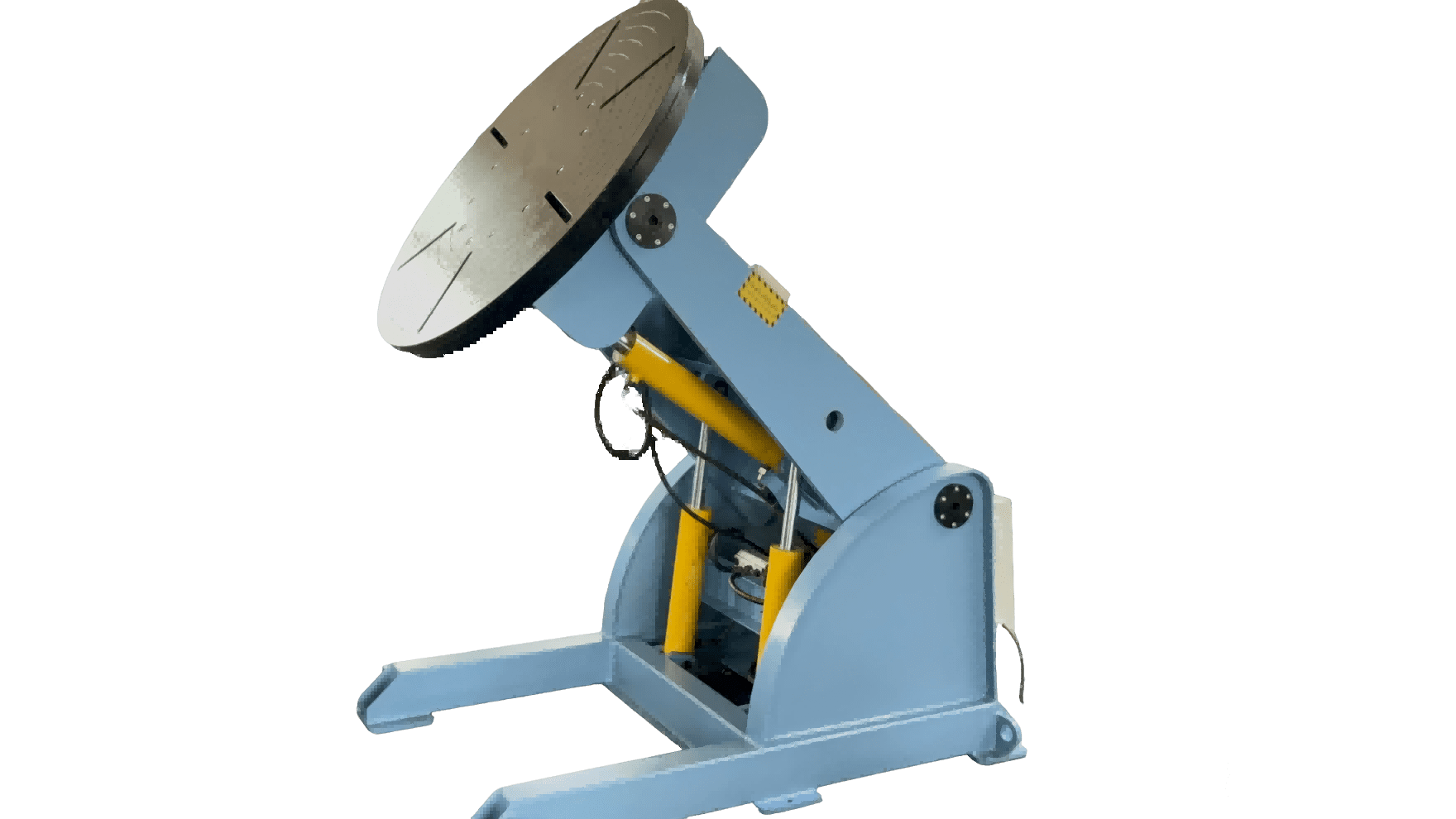
High-precision gearboxes and powerful motors drive the rotational and tilting movements, delivering smooth, consistent motion even under heavy loads. Counterweights integrated into many designs balance the workpiece, reducing strain on mechanical components while enhancing stability. This engineering enables accurate welding angle adjustment critical for specialized processes. The practical results include better weld quality, reduced operator fatigue, and higher productivity from minimized manual repositioning.
Where L-Type Welding Positioners Deliver the Most Value
L-Type welding positioners perform best in environments where large, irregularly shaped, or heavy components need precise manipulation. Their ability to present weld seams in downhand position makes them valuable for both efficiency and quality improvements across multiple sectors.
| Industry Sector | Typical Workpieces | Key Advantage of L-Type Positioner |
|---|---|---|
| Heavy Equipment | Excavator arms, chassis, large frames | Manipulates bulky, off-center loads for optimal access |
| Pressure Vessels | Tanks, boilers, heat exchangers | Rotates cylindrical or complex shapes for circumferential welds |
| Pipeline & Oil/Gas | Pipe spools, valve bodies, structural supports | Positions long, heavy sections for consistent joint welding |
| Wind Energy | Tower sections, turbine components | Handles large, tubular structures with high precision |
| Shipbuilding | Hull sections, engine mounts, structural elements | Orients massive, unwieldy parts for ergonomic welding |
Projects involving heavy, bulky, or asymmetrical workpieces benefit most from L-Type positioners. These machines prove particularly advantageous for fabricating large structural components, pressure vessels, and heavy machinery parts where manual manipulation is impractical or creates safety risks. The precision allows optimal weld access, producing higher quality and reducing rework.
In one bridge fabrication project I observed, manually repositioning large steel structural sections led to inconsistent weld quality and significant downtime. After implementing an L-Type positioner, the team rotated and tilted 5-ton sections with ease, achieving a 30% reduction in welding time and measurable improvement in joint integrity.
How to Calculate Load Capacity for Your Application
Accurately determining load capacity is essential for both safety and operational efficiency. Overloading a positioner leads to equipment damage, compromised weld quality, and serious safety hazards. Load capacity refers to the maximum weight the positioner can safely support and manipulate, which includes not just workpiece weight but also fixtures, clamps, and tooling.
To calculate required load capacity, first determine the total weight of your heaviest workpiece including all fixtures and accessories. Then consider the center of gravity. The further the CG sits from the positioner’s faceplate, the greater the overturning moment, which effectively reduces usable load capacity. Select a positioner with capacity that comfortably exceeds your calculated maximum and accounts for eccentric loading conditions.
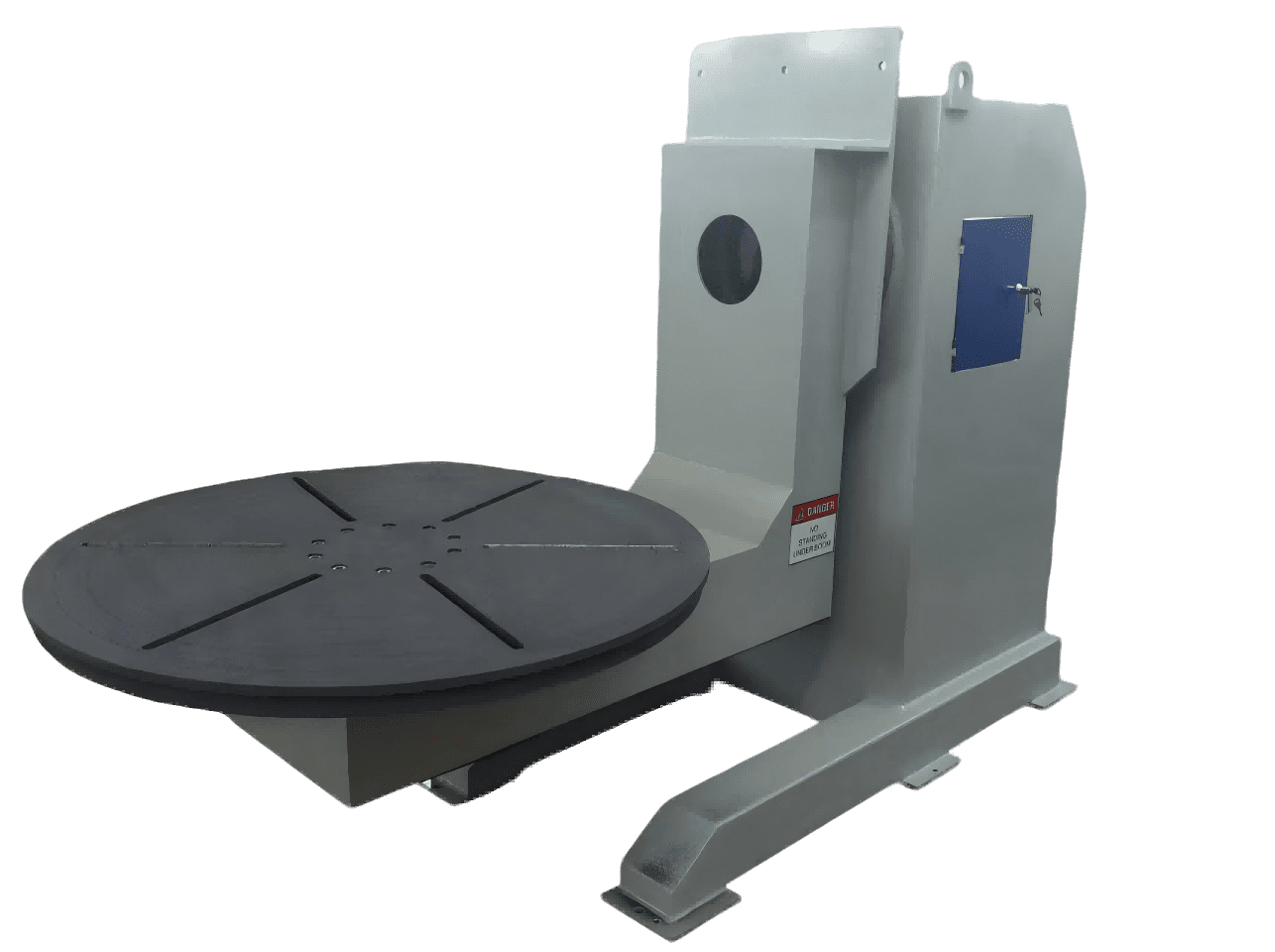
Load capacity matters because it directly affects stability, safety, and equipment longevity. Exceeding specified limits causes mechanical failure, creates unstable workpiece manipulation, and poses serious operator risks. Proper load management ensures consistent workpiece stability essential for precision welding and maintaining safety standards.
A safety factor is always advisable when selecting equipment. If your maximum calculated load reaches 4 tons, choosing a 5-ton or 6-ton positioner provides necessary buffer. This approach prevents premature component wear and maintains performance throughout the equipment’s operational life.
What Features Matter When Selecting an L-Type Positioner
Choosing the right L-Type positioner requires more than matching a general load rating. A detailed assessment of specific application needs should guide the decision. Beyond primary load capacity, the maximum overturning moment indicates how well the positioner handles eccentric loads. The range of rotation and tilt must accommodate required welding angles for your workpieces.
The main advantages of L-Type welding positioners include superior workpiece access that lets welders achieve downhand positions for virtually all welds, enhancing quality and deposition rates. They significantly improve operator ergonomics by reducing manual handling and awkward postures, leading to increased productivity, reduced fatigue, and safer working conditions for heavy-duty welding applications.
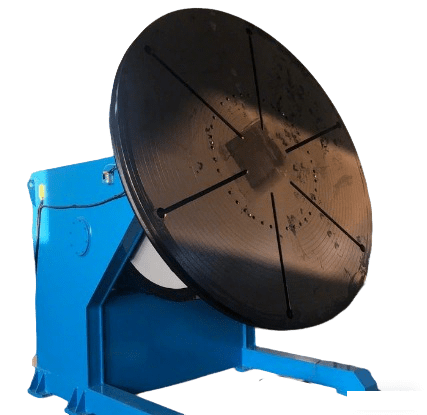
Modern L-Type positioners offer variable speed controls, programmable movements, and integration capabilities with automated systems including robotic welding cells. WUXI ABK MACHINERY CO., LTD produces models with various load capacities and customizable features designed for diverse industrial requirements. The focus is on equipment that integrates into existing production lines, with options for both standard and custom configurations.
How Advanced Positioners Change Welding Shop Productivity
Integrating advanced L-Type positioners into welding operations can fundamentally shift productivity and quality metrics. Automating precise workpiece manipulation reduces non-value-added time from manual repositioning. Welders focus more on actual welding, achieving higher arc-on time and improved overall shop efficiency.
The ergonomic benefits prove substantial over time. Welders work in more comfortable and safer positions, reducing musculoskeletal injury risk and improving job satisfaction. This contributes to workforce stability and higher quality output. A well-specified positioner can streamline fabrication processes, converting complex multi-stage manual operations into efficient, repeatable automated solutions. If your current setup involves frequent manual repositioning of heavy components, discussing positioner specifications with a manufacturer before your next equipment purchase makes sense.
Frequently Asked Questions
What is the typical lifespan of an L-Type welding positioner?
L-Type welding positioners typically exceed 10 to 15 years of service life with proper maintenance and operation within rated limits. Usage intensity, environmental conditions, and adherence to maintenance schedules significantly influence longevity. Shops running multiple shifts with heavy loads should factor accelerated wear into replacement planning.
Can L-Type positioners be integrated with robotic welding systems?
L-Type positioners integrate well with robotic welding systems. Their precise control over workpiece manipulation and programmable movements allow synchronization with robotic arms, enhancing automation and consistency in complex welding tasks. Most manufacturers offer interface options compatible with major robot controller platforms.
Are there specific safety precautions for operating L-Type welding positioners?
Operators must understand load limits, ensure proper workpiece clamping, maintain clear operational zones, and perform regular inspection of mechanical and electrical components. Training should cover emergency stop procedures and recognition of overload conditions. These precautions prevent the most common positioner-related incidents in fabrication environments. For guidance on safety protocols specific to your equipment configuration, contact the manufacturer directly.
To discuss requirements for your specific application, contact WUXI ABK MACHINERY CO., LTD at [email protected] or call +86 13616174307.
Welding Rotator vs Manual Pipe Welding: Productivity & Cost Efficiency