Flange Filler in Pipe Welding: Types, Uses and Tips

August 21, 2026
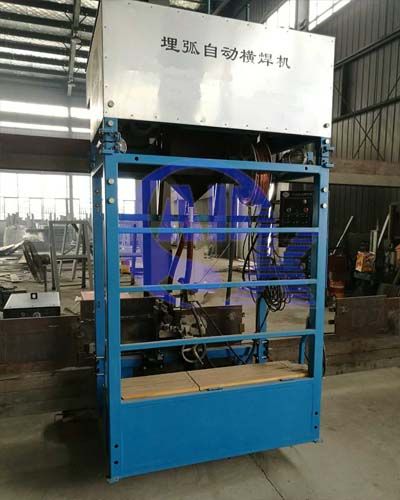
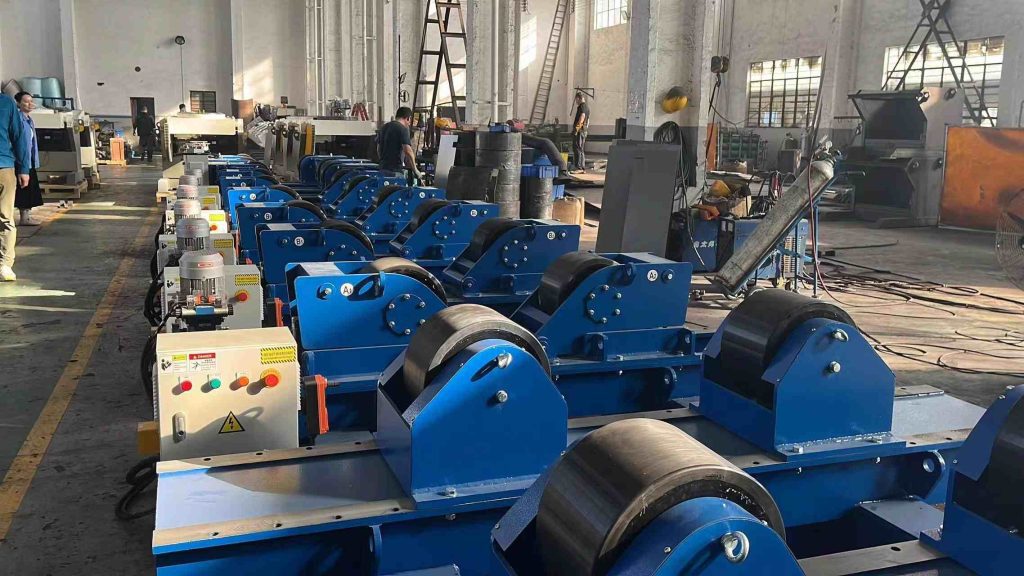
Flange filler selection is where many pipe welding programs lose time before the first arc is struck. A flange filler is the filler metal used to join a slip-on, weld neck, or socket weld flange to pipe, and the right choice depends on base material chemistry, service temperature, and the qualified welding procedure. We see […]
Read More »

Orbital Welding vs Manual Pipe Welding: Key Differences

August 21, 2026

Pipe fabricators rarely reject orbital welding because the weld quality is questionable. They hesitate because the real decision sits upstream: fit-up discipline, wall thickness range, operator training, and the documentation burden a project actually carries. Orbital welding produces repeatable, auditable welds, but it does not fix loose fit-up or unclear procedure control. Manual pipe welding […]

Read More »

FCAW vs MCAW: Key Process Differences and How to Choose

August 21, 2026

FCAW vs MCAW is not a contest between an old process and a new one. The practical question is whether the slag system and shielding requirements match the joint, the position, and the post-weld cleaning budget. In most indoor structural fabrication, metal cored wire delivers higher deposition and far less spatter. In field welding and […]

Read More »

TIG Welding: Why It Is Slower and Easier to Control

August 21, 2026

TIG welding, or GTAW, is the process most operators describe as slower and easier to control when compared with MIG, flux core, and stick welding. The control comes from an independent heat source and a separate filler rod, which lets the welder adjust arc energy while a puddle is active without changing travel speed or […]

Read More »

Arc Welding: Practical Process Selection and Setup Guide

August 21, 2026

Arc welding covers more production ground than any other joining method in heavy fabrication. The electric arc delivers the highest heat concentration available with portable equipment, which makes it the practical default for pipelines, structural steel, and industrial vessel work. Twelve years in welding equipment integration have shown me that most rejected welds share one […]

Read More »

Steel Welding Porosity: Causes, Types and Prevention Tips

August 20, 2026

Steel welding porosity is a small discontinuity with costly consequences. Pores trapped in weld metal reduce effective cross-section, create stress concentrations, and turn a visually acceptable bead into a rejected joint after non-destructive testing. Over years of supporting pipeline and structural fabrication work, I have learned that most porosity failures are not mystery defects. They […]

Read More »

Metal Welding: Choose the Right Process and Equipment

August 20, 2026

Metal welding in an industrial shop is determined by more than the power source. The process choice receives most of the attention, but production results usually turn on part access, travel speed control, and whether the equipment holds position across a full shift. In fabrication projects I have worked on, a capable welding machine tied […]

Read More »

Profax WP-250 Welding Positioner: Specs, Limits and Uses

August 20, 2026

Small-part welding often stalls at rotation. A circular joint needs steady positioning, and hand turning produces starts, stops, and uneven beads. The Profax WP-250 is a compact benchtop welding positioner built to remove that problem. It rotates the workpiece while the operator keeps the torch in one position, which shifts attention from managing the part […]

Read More »

Mild Steel Tank Fabrication: Uses, Types and Shop Floor Tips

August 20, 2026

A tank shell that measures visibly out of round before girth welding will not correct itself at hydrotest. Mild steel tank fabrication is a sequence of fit-up decisions, weld position control, and dimensional checks that determine whether a vessel passes inspection the first time. From atmospheric storage tanks to small process vessels, the material is […]

Read More »

AWS Welding Standards: What Buyers and Fabricators Must Know

August 20, 2026

AWS welding standards do not describe ideal welds; they define acceptance criteria, qualification rules, and terminology that determine whether a welded component passes inspection. I have spent twelve years specifying welding automation and CNC cutting systems for export fabrication projects. The gap between reading a standard and applying it on the shop floor is where […]

Read More »
1 … 27 28 29 … 49

Get Our Best Quotation

Contact